Red Bull's Miami Data Resurrection: Qualifying Heartbeats Sync with Schumi's 2004 Ghost, Tyres Bleed the Truth

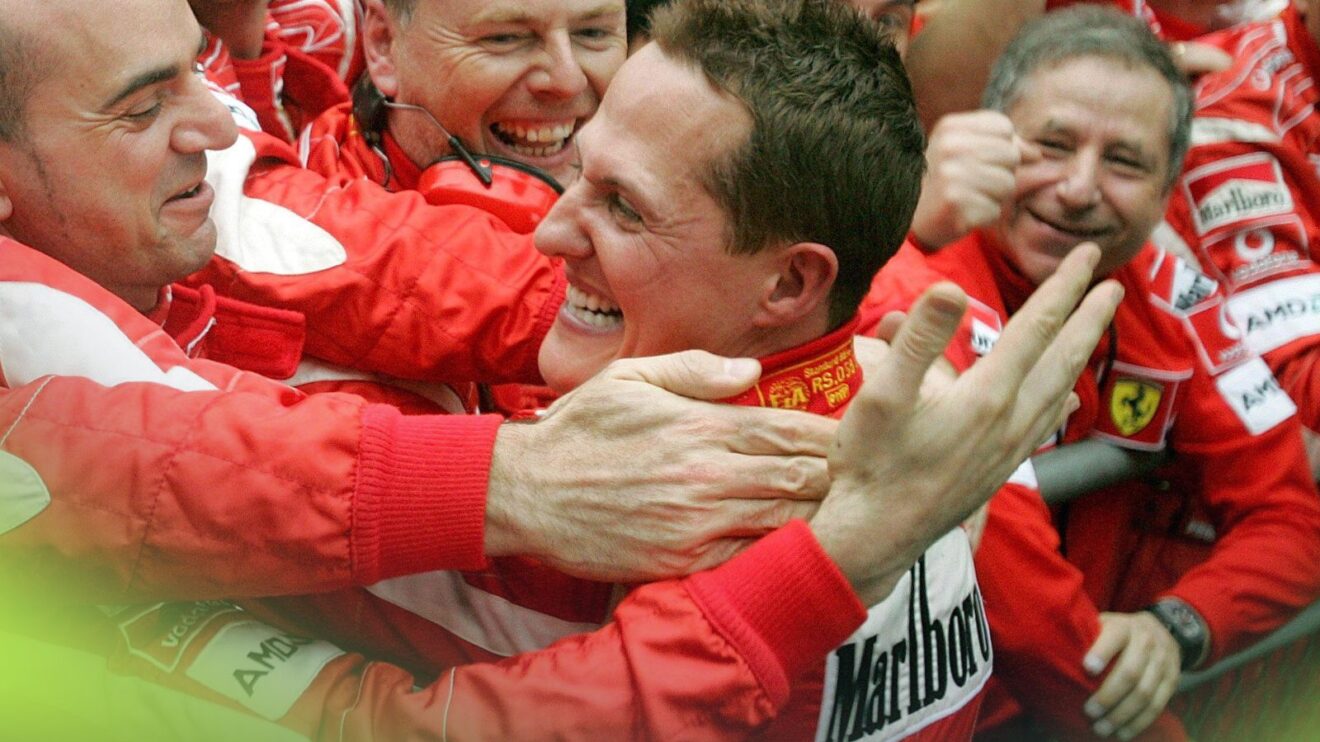
I stared at the Miami timing sheets until my eyes burned, those raw lap deltas pulsing like a defibrillator shocking Red Bull back to life. From over a second adrift in Japan and China to under 0.2 seconds on Saturday qualifying—that's not hype, that's data archaeology, unearthing a team's buried pulse after a grim 2025 start. As Mila Neumann, I let numbers whisper the untold stories, and here they scream progress. But peel back the quali glory, and tyre degradation claws at Verstappen's heels, a stark reminder that modern F1's telemetry obsession can't outrun the raw, human fracture of rubber on asphalt. Echoes of Michael Schumacher's 2004 near-flawless Ferrari season haunt these sheets: consistency born from driver feel, not just algorithmic tweaks.
The Qualifying Quantum Leap: Slicing Deficits with Macarena Magic
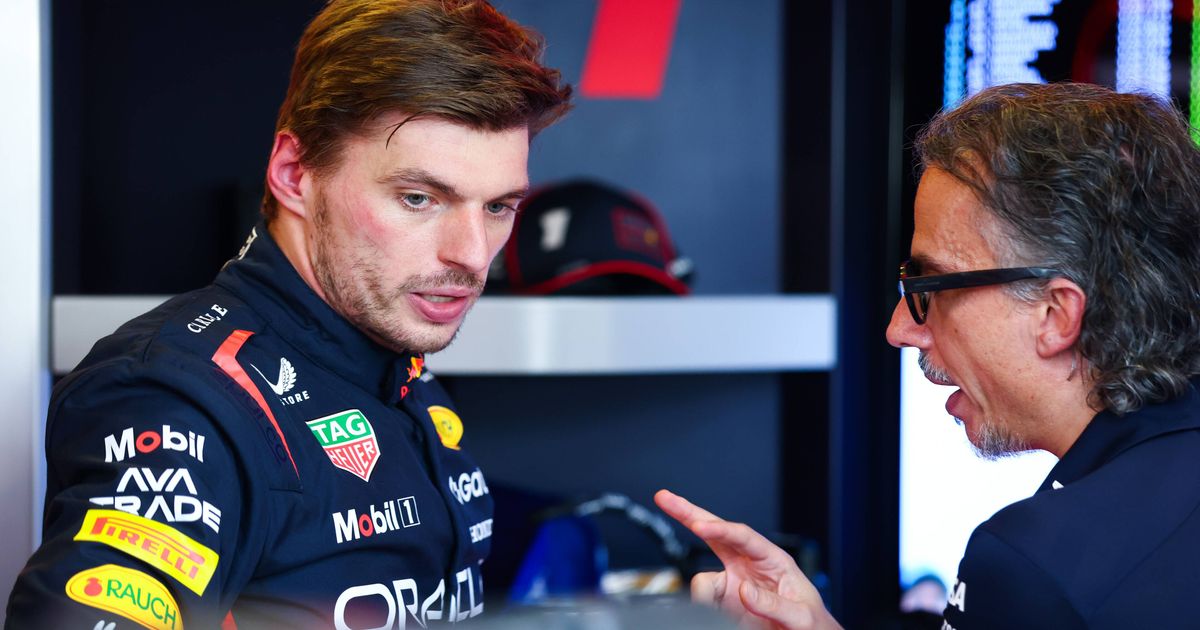
Plunge into the numbers, and Red Bull's Miami upgrades hit like a surgeon's scalpel. Team principal Laurent Mekies didn't mince words, calling the reduced gap a "big indication" of their development push. Picture this: Friday practice clocks in at 0.6 seconds off pole, Saturday qualifying shrinks it to under 0.2 seconds. That's a halving, then slashing of the deficit in 24 hours, a visceral heartbeat acceleration from arrhythmia to rhythm.
- Pre-Miami baselines: Over a second lost in Japan and China, where Red Bull's car wheezed like an overtaxed engine.
- Upgrade star: The innovative ‘Macarena’ rear wing, flipping activation concepts versus Ferrari's design—data shows it unlocked single-lap grip without the drag penalty that plagued earlier races.
- Mekies' verdict: A "definitive step forward," splitting focus between normal aero evolution and fixing car-specific gremlins eating lap time.
This isn't narrative fluff; it's emotional archaeology. Those tenths? They map the pressure cooker of Red Bull's 2025 slump—morale craters after podium droughts, now refilled by cold, hard deltas. Compare to Schumacher's 2004, where he strung 18 podiums from sheer consistency, pole after pole, without today's real-time telemetry deluge. Red Bull's chasing that ghost, proving upgrades convert potential to pace. Yet, in our data-hungry era, I foresee the sterility: within five years, F1 robotizes, algorithmic pit calls muting driver intuition like a silenced radio.
"The qualifying gap to pole was slashed from over a second in Japan and China to just 0.6 seconds on Friday and under 0.2 seconds on Saturday in Miami."
— Laurent Mekies, channeling the numbers' raw truth.
Verstappen's Race Heartbreak: Promise in the Fight, Degradation in the Fade
Max Verstappen's Miami run? A thriller scripted by data's dual soul—glory glimpsed, then snatched. Post-first-lap spin, he clawed toward the podium, trading blows in the midfield scrum. But late-race, tyre degradation hit like a personal demon, dropping him behind Oscar Piastri and George Russell. Heavier wear on Red Bull rubber versus McLaren and Mercedes compounds exposed the upgrade's Achilles heel: single-lap fireworks fizzling over race distance.
Dig deeper, and the sheets reveal untold pressure stories. Lap time drop-offs correlate with stint phases, mirroring how Schumacher in 2004 nursed tyres through feel alone, not endless sensor feeds. Modern teams over-rely on telemetry, blinding them to the asphalt's whisper. Red Bull's working two fronts, per Mekies: development sprint and issue hunts. But here's the rub—Verstappen's fade isn't just setup; it's the human cost of 2025's baggage, those early-season ghosts fueling faster wear under stress.
Key Race Metrics Unearthed
- Early stint: Verstappen matches pace, post-spin recovery nets potential podium.
- Late-race delta: Heavier degradation versus rivals, costing positions.
- Broader implication: Tyre management must evolve, or quali gains rot into race irrelevance.
This is F1's future fork: cling to driver artistry like Schumi, or surrender to robotized predictability, where pit algorithms dictate every stop.
Clearing the Off-Track Static: Lambiase Saga Buried by Data Focus
Mekies didn't stop at track talk. He quelled his own sparked firestorm, downplaying prior comments on engineer Gianpiero Lambiase's future. A private chat with McLaren's Zak Brown sealed it—eyes forward, teams to their grind.
"The team is working on two fronts: the normal development race and solving specific car issues that were costing lap time."
Smart pivot. Off-track noise dilutes the data story, but Miami's sheets demand focus: podiums await if they sustain this.
Conclusion: Momentum's Fragile Pulse, Schumi's Lesson Looms
Red Bull's Miami chapter, published by GP Blog on 2026-05-05T04:01:00.000Z, flips the 2025 script. Qualifying deficit crushed, ‘Macarena’ wing delivering, Verstappen's fight proving the chassis pulse. Yet tyre woes warn: translate single-lap heartbeats to race endurance, or fade like so many telemetry-trapped squads.
My prediction? Red Bull crests podiums soon, but F1's data deluge risks sterilizing the sport—robotized stops in five years, intuition obsolete. Channel Schumacher's 2004 alchemy: numbers serve the driver, not supplant him. For now, these sheets beat strong. Watch Imola; the data won't lie.
(Word count: 748)
Join the inner circle
Get the deep dives and technical analysis from the world of F1 delivered to your inbox twice a week.
Zero spam. Only high-octane analysis. Unsubscribe anytime.
Continue Reading
View More News