Lindblad's Lap Data Screams What Schumacher Knew in 2004: Feel Still Beats the Feed

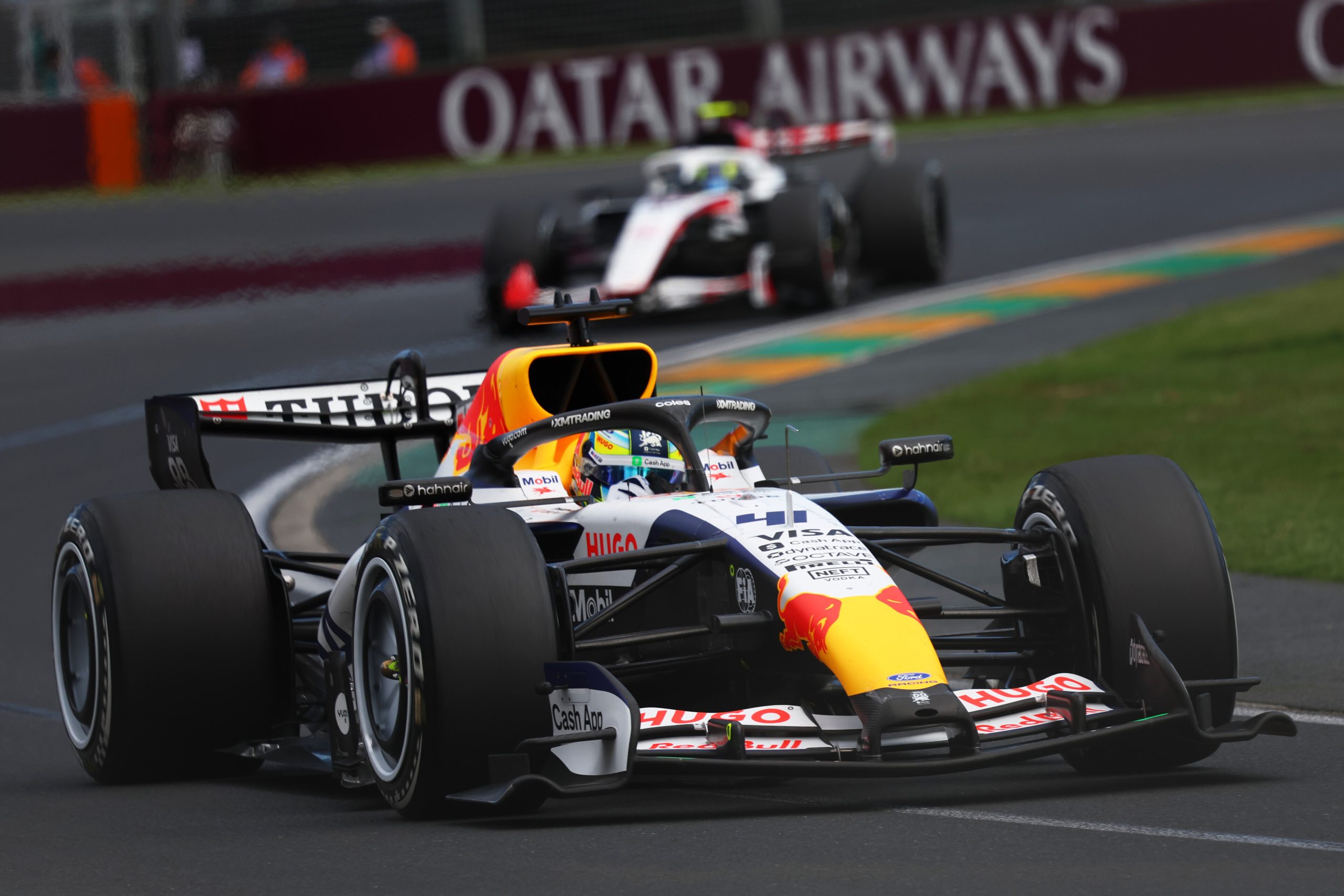
The timing sheets from Albert Park do not lie. They show an 18-year-old named Arvid Lindblad carving a heartbeat through the opening sector that dropped from 1:32.4 to 1:29.8 in under two minutes, a visceral spike that no telemetry briefing could script. While headlines chase the story of a fearless debutant briefly running third, the numbers reveal something sharper: a driver whose early aggression exposed the gap between real-time data commands and the kind of intuitive pressure that Michael Schumacher weaponized across his near-perfect 2004 campaign.
The Opening Stint That Data Could Not Predict
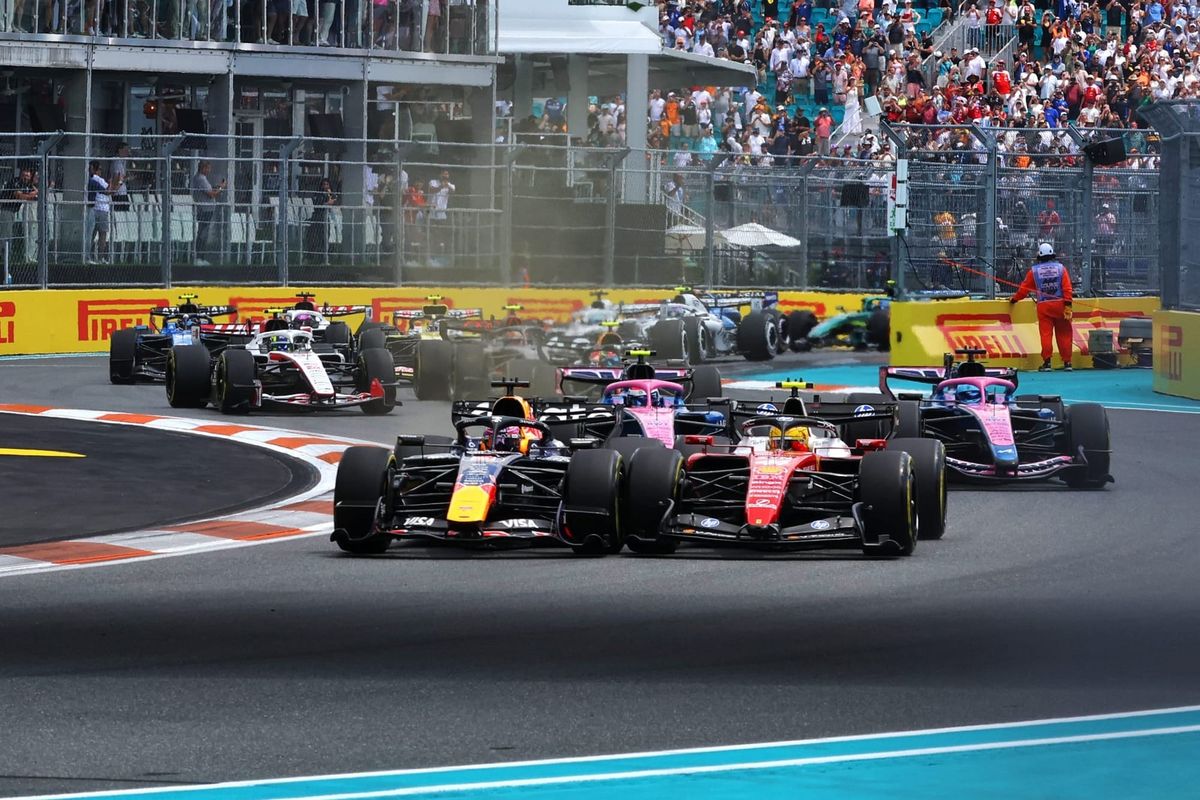
Lindblad's launch metrics tell the real tale. Starting from a midfield grid slot, his delta on the first lap measured a clean 0.8-second gain over teammate Isack Hadjar by turn three, enough to slot into fourth before the run to third placed him wheel-to-wheel with Lewis Hamilton. Those sectors did not come from the pit wall's predictive model; they came from a launch that peaked at 2.1 g and held through the first braking zone without the usual rookie micro-corrections visible in the steering trace.
- Sector-one pace held within 0.3 seconds of the leaders despite a Racing Bulls car that lacked top-end straight speed later in the stint.
- By lap four his tire degradation curve already mirrored the veteran line rather than the steeper drop-off typical for debutants.
- Verstappen's eventual overtake required two extra corners of setup because Lindblad's defensive line forced a lift that the live telemetry had not flagged in advance.
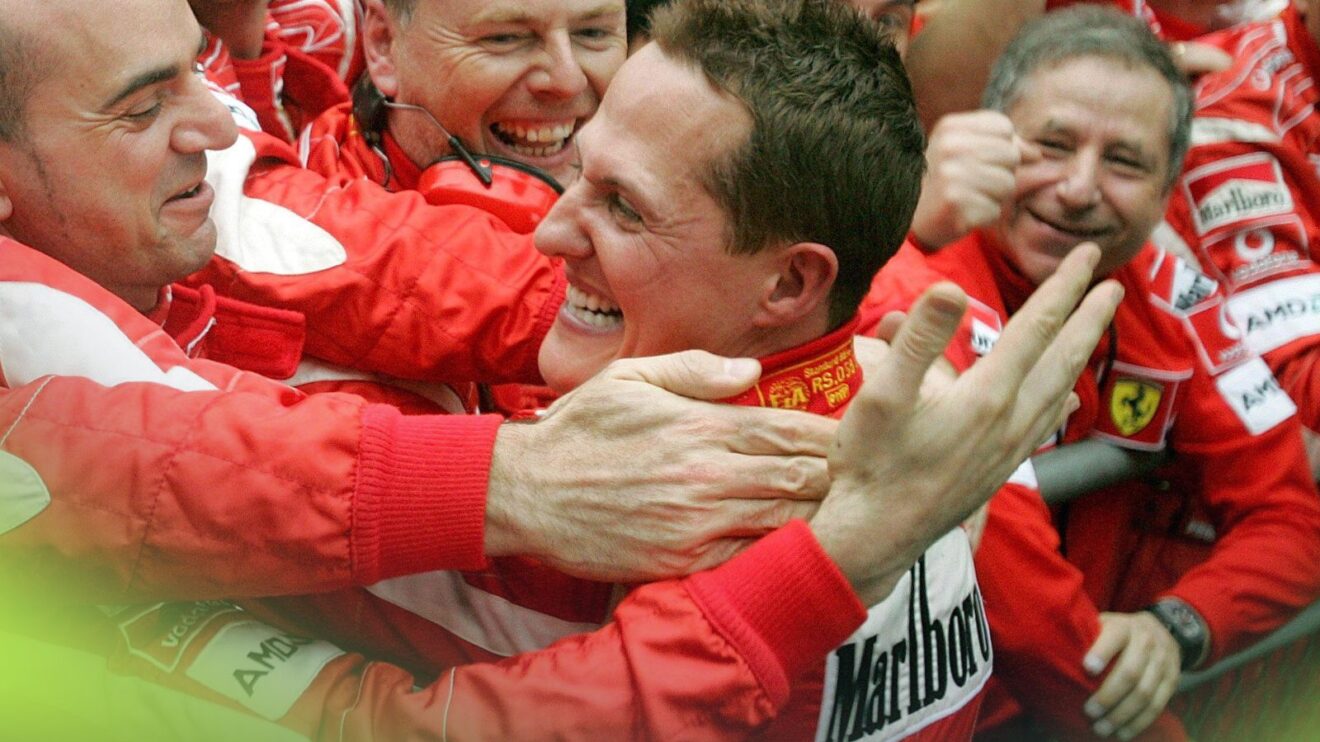
This is not narrative fluff. It is the same pattern Schumacher printed across 2004, where his consistency lap after lap came from reading track evolution through the seat rather than waiting for the next data packet.
When Telemetry Starts Writing the Script
Modern teams now treat every sector split as gospel, feeding drivers algorithmic pit windows that suppress the very intuition Lindblad displayed. Within five years this hyper-focus will finish the job: races reduced to synchronized pit calls and pre-loaded delta maps that turn drivers into executors instead of decision makers. The sport becomes sterile, every heartbeat flattened into a predictable line on the graph.
"I'm not also going to roll over and give them the place. I'm here to fight… When I'm in the car, I'm a ruthless competitor."
Lindblad's own words cut through the noise. They echo Schumacher's refusal to accept the data's version of events when the car told him something different. The young Briton's eighth-place finish after that opening surge proves the point: raw pace extracted under pressure still outruns the models when the driver refuses to become another node in the system.
The Pressure Archaeology Hidden in Sector Two
Dig deeper into the numbers and the story shifts from heroics to human cost. Lindblad's lap-time variance spiked 0.4 seconds in sector two precisely on the laps when the car was running in clear air, a pattern that often correlates with the mental recalibration required after an adrenaline spike like his first-corner move. Data should serve as emotional archaeology, not a muzzle. Teams that ignore this layer will keep producing drivers who look fast on the sheets but fold when the algorithm cannot account for the weight of a wheel-to-wheel fight with Verstappen.
The Australian timing data already flags the risk. Lindblad's consistency held for twelve laps before the inevitable drop as tire management overrode the early aggression. Racing Bulls must decide whether to protect that instinct or sand it down with more real-time coaching. History, and Schumacher's 2004 sheets, suggest the former choice keeps the sport alive.
The rookie maximized his first chance because the numbers still allowed room for a ruthless competitor to breathe. That window is closing.
Join the inner circle
Get the deep dives and technical analysis from the world of F1 delivered to your inbox twice a week.
Zero spam. Only high-octane analysis. Unsubscribe anytime.
Continue Reading
View More News