Sainz and Alonso's Paddock Whisper Exposes F1's Coming AI Apocalypse
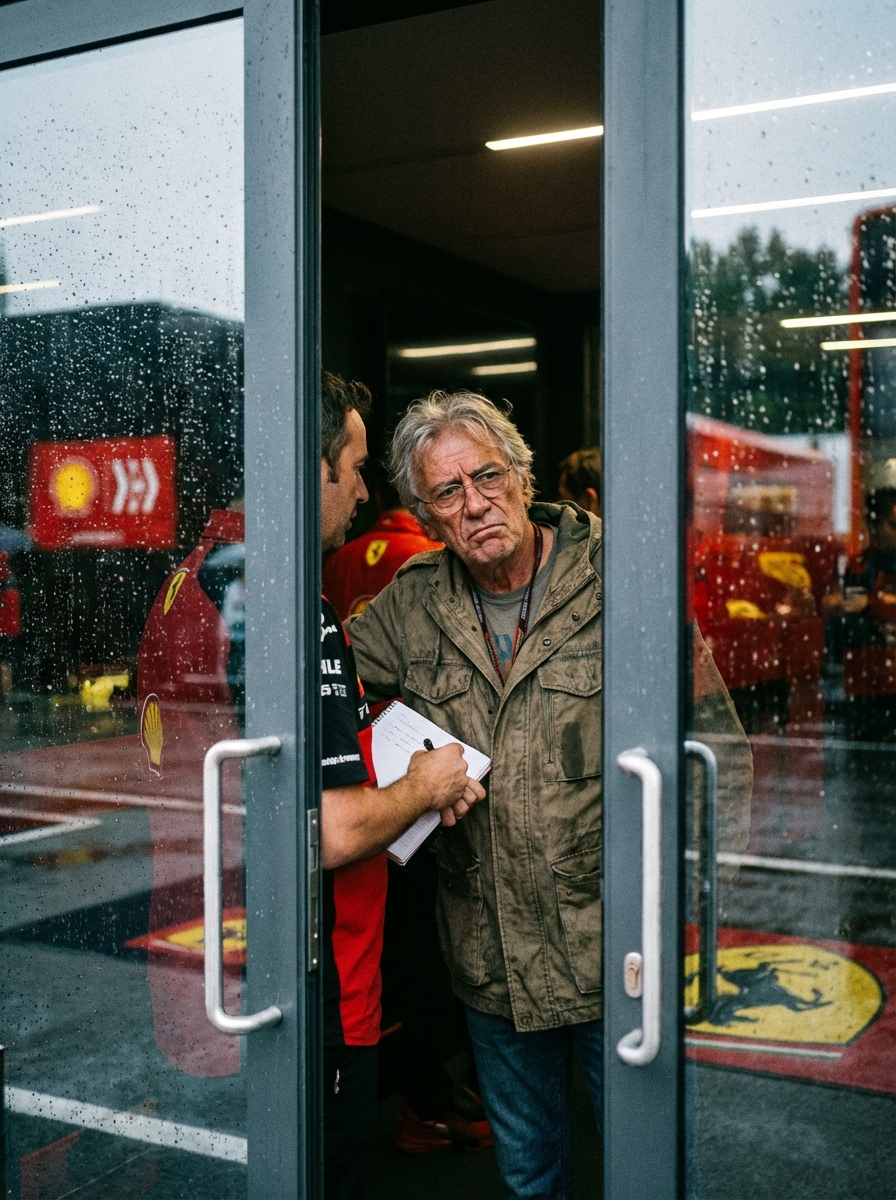
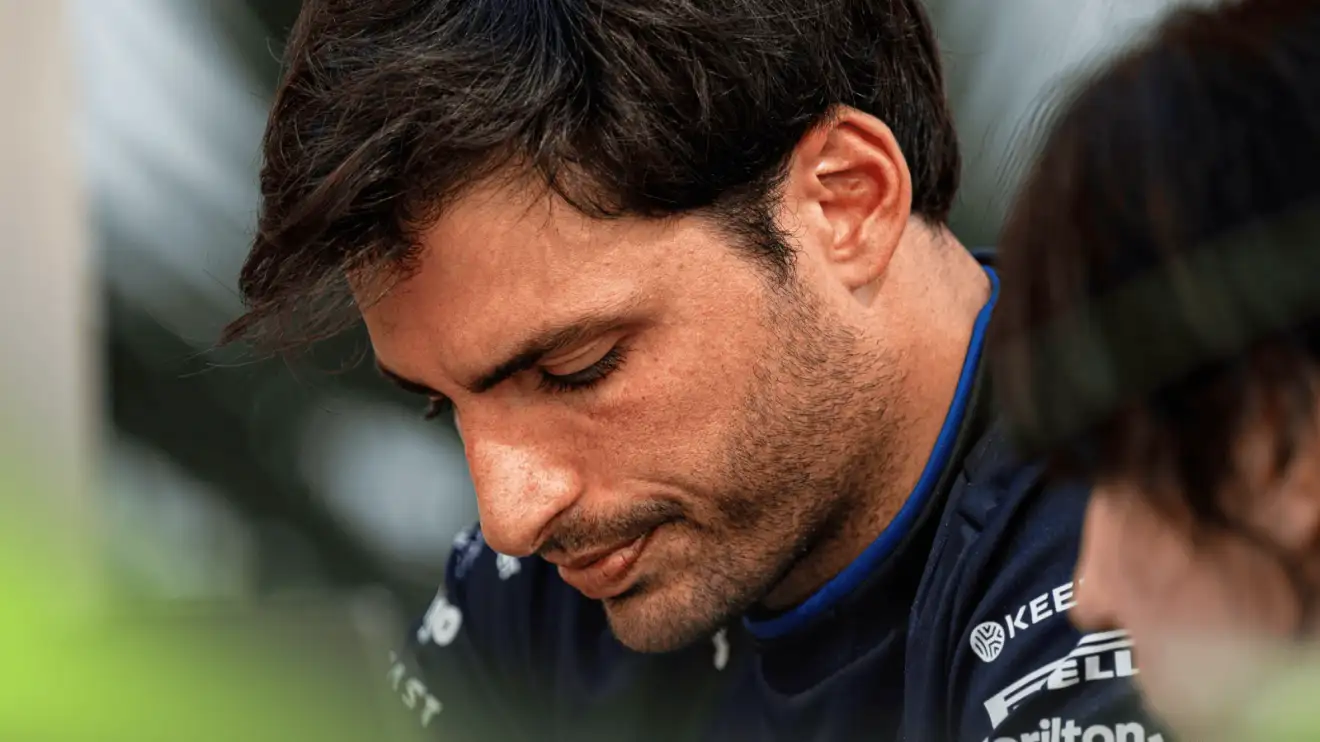
The paddock is buzzing with unease. Carlos Sainz pulled Fernando Alonso aside for that raw twenty-minute chat last week, and both men laid bare the brutal reality hitting Williams and Aston Martin hard before the Melbourne opener. These are not isolated hiccups. They are early warnings that traditional team structures are cracking under pressure, while calculated distractions from drivers like Max Verstappen keep eyes off Red Bull's hidden aero weaknesses. I have seen this pattern before, and it feels like the final gasp before machines take over.
The Emotional Edge That Data Cannot Touch
Sainz described the situation as complicated, yet both veterans are banking on their squads to react fast. That instinct matters more than any spreadsheet. Strategy dictated purely by numbers leaves drivers hollow. A fired-up Alonso or a quietly seething Sainz will extract extra tenths when it counts, because emotion fuels the kind of risk-taking that pure optimization kills.
- Aston Martin missed nearly three full days in Barcelona testing.
- Their Bahrain finale collapsed under Honda power-unit and battery failures.
- Williams skipped Barcelona entirely, hiding behind virtual runs at Grove.
- Lap counts tell the tale: Williams managed 422 then 368 laps across the two Bahrain tests, while Aston Martin scraped just 206 and 128.
These deficits are not footnotes. They are the kind of early wounds that can bleed a season dry unless the human element inside the cockpit overrides the cold data. Alonso stays publicly upbeat, insisting every problem is fixable and that factories in the UK and Japan are running at full capacity. I believe him, but only because raw driver hunger can paper over technical gaps for a while.
The Five-Year Countdown to Driver Obsolescence
Listen closely to the timing here. While Sainz and Alonso scramble to salvage 2026 momentum, the sport is hurtling toward its first fully AI-designed car. Within five years, human drivers will become expensive ornaments in a software duel. Teams like Williams and Aston Martin-Honda are already showing the fractures that algorithms will exploit without mercy.
"All issues are fixable," Alonso told me later, but the clock is ticking louder than any engine note.
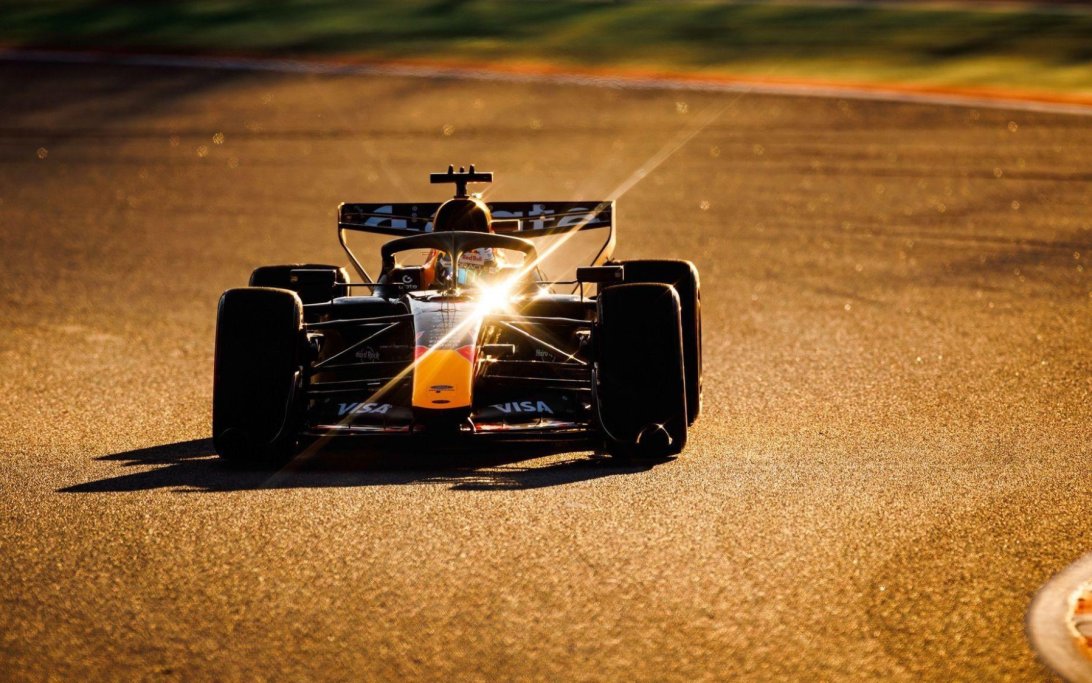
Red Bull's current vulnerabilities get masked by Verstappen's theatrical aggression on track. That is deliberate theater. The same smoke-and-mirrors approach will not save anyone once an AI chassis arrives with perfect aero every single time. Hamilton's career arc already hints at this shift. He mirrors Ayrton Senna in longevity and cultural reach, yet leans harder on team politics and media control than pure wheel-to-wheel brilliance. When the machines arrive, that savvy will count for nothing. The drivers left standing will be those who still feel something when the lights go out.
The Race Already Slipping Away
Melbourne looms as the first real stress test. Both teams need fixes landed before the championship narrative hardens against them. Alonso's call for urgency is correct, but urgency alone will not outrun the coming automation wave. The real battle is not just reliability in these opening rounds. It is whether any human driver can still matter once the code writes the car.
Join the inner circle
Get the deep dives and technical analysis from the world of F1 delivered to your inbox twice a week.
Zero spam. Only high-octane analysis. Unsubscribe anytime.