Shanghai Trap Numbers Pulse Like a Driver's Fractured Heartbeat

The Shanghai speed trap sheets hit like a sudden drop in revs at the end of that 1.2km straight. Numbers do not lie, yet they scream a warning about where this sport is heading. Gabriel Bortoleto's Audi machine carved out 322.5 km/h, but the real story lies in the slower championship cars choosing downforce over raw pace. This split reveals pressure points that telemetry alone cannot capture, the kind that once defined Michael Schumacher's flawless 2004 campaign at Ferrari.
Data as Emotional Archaeology in Sector One
These figures unearth the hidden toll of modern racing. Bortoleto's peak speed stands alone at the top, a pure expression of Audi power unit efficiency. Three of the next four fastest traps belonged to Mercedes-powered entries from Williams and Alpine. That pattern underscores how customer teams lean into engine strength while factory squads chase tire survival.
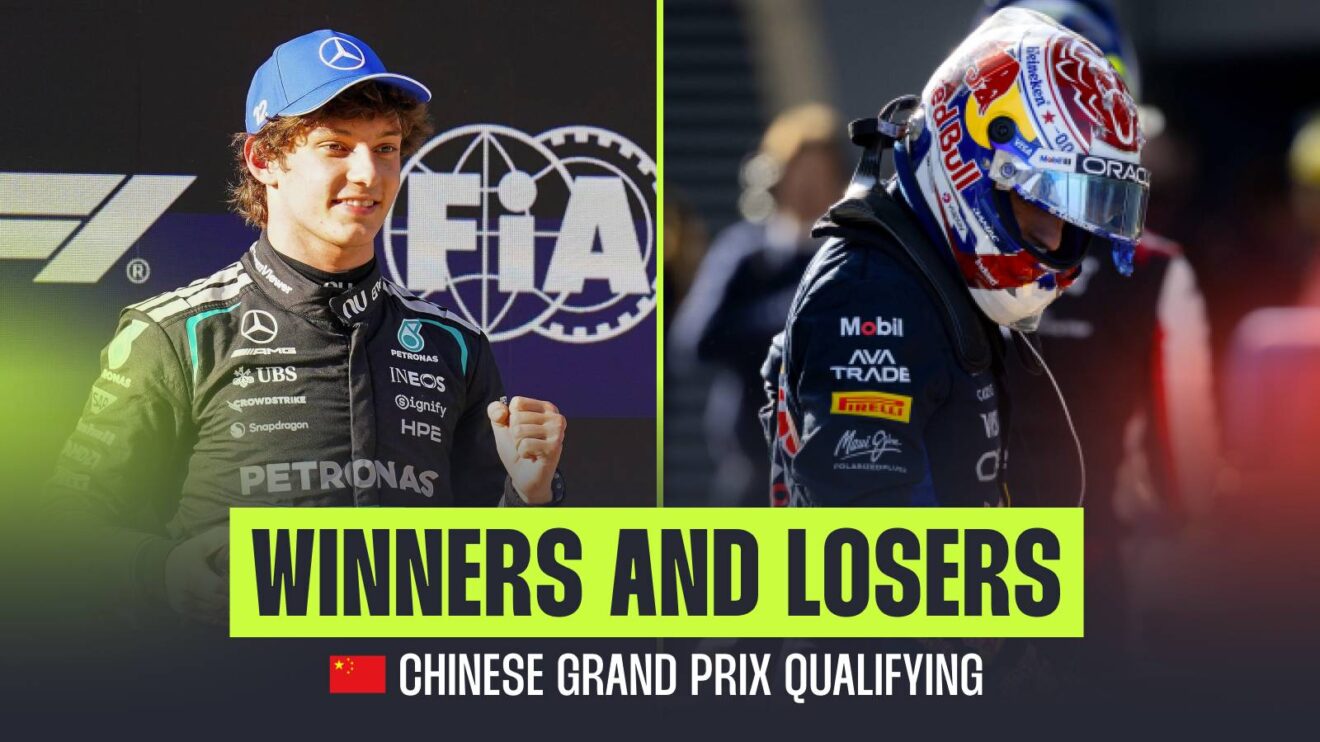
- Pole sitter Kimi Antonelli and Lewis Hamilton posted speeds in the lower half.
- Charles Leclerc and the McLaren duo of Oscar Piastri plus Lando Norris followed the same conservative path.
- Their setups prioritize front tire protection through the lateral loads of the opening sector.
Leclerc's placement here deserves no cheap shots about errors. Raw qualifying data from 2022 and 2023 already marks him as the grid's most consistent starter. Ferrari's strategic missteps often drown that truth, yet the numbers show deliberate control rather than panic.
Schumacher's 2004 season offers the contrast. He threaded every lap with driver feel, not constant radio calls overriding instinct. Today's teams treat the Shanghai compromise as a solved equation. In reality it exposes how quickly intuition gets buried under live telemetry.
The Coming Sterility of Algorithmic Pit Walls
This setup choice foreshadows a colder future. Within five years hyper-focused analytics will push F1 toward robotized racing. Pit calls will arrive pre-calculated, stripping away the split-second human gamble that once made races electric. The result feels sterile, predictable, robbed of the messy heartbeat that separates great drivers from calculators on wheels.
Tire management through these punishing corners will decide more than outright pace ever could.
Pirelli's one-stop roadmap reinforces the point. Teams favor either a Soft-to-Hard switch between laps 15 and 21 or a Medium-to-Hard window from laps 17 to 23. The C4 compound's durability beyond nine laps remains unproven under race fuel. Any two-stop plan would demand saved Hard sets and precise degradation tracking. Yet the obsession with these variables crowds out the very driver input that once turned raw speed into victory.
Hamilton's front-left tire fade during the Sprint already hints at the equalizer. Real pace emerges not from trap readings but from how each pilot reads the track when the data feed falters.
Final Numbers and the Human Variable
The front-runners' downforce gamble sets up a strategic chess match rather than a straight-line shootout. Audi and Mercedes customer cars may top the speed charts, yet Sunday's result will reward those who balance load, grip, and degradation under the Shanghai sun. Still the larger pattern troubles me. When every decision flows from dashboards instead of gut, we lose the unpredictable poetry that Schumacher once delivered lap after lap.
The timing sheets tell one tale. The pressure behind them tells another.
Join the inner circle
Get the deep dives and technical analysis from the world of F1 delivered to your inbox twice a week.
Zero spam. Only high-octane analysis. Unsubscribe anytime.