Stella's Bahrain Praise Masks Mercedes' Coming Collapse Under Wolff's Iron Grip
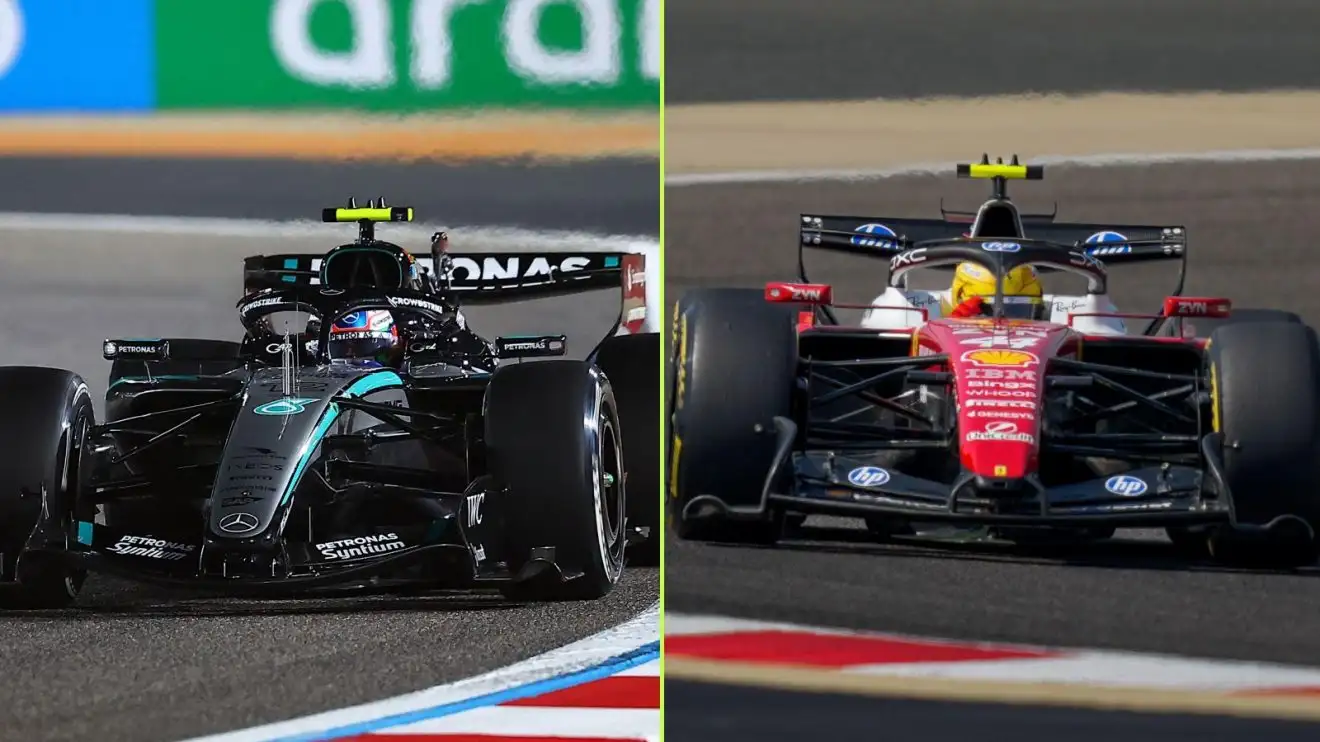
In the cutthroat arena of Formula 1, where a single press conference remark can destabilize rivals more effectively than any pit wall strategy, Andrea Stella has delivered a masterclass in psychological manipulation. His assessment after the Bahrain pre-season test, naming Ferrari and Mercedes as the squads most performance-ready, carries the weight of insider calculation rather than neutral observation. My sources confirm this was no casual aside but a deliberate move to unsettle the hierarchy ahead of the Australian Grand Prix in March.
Stella's Long-Run Revelations and the Real Order of Battle
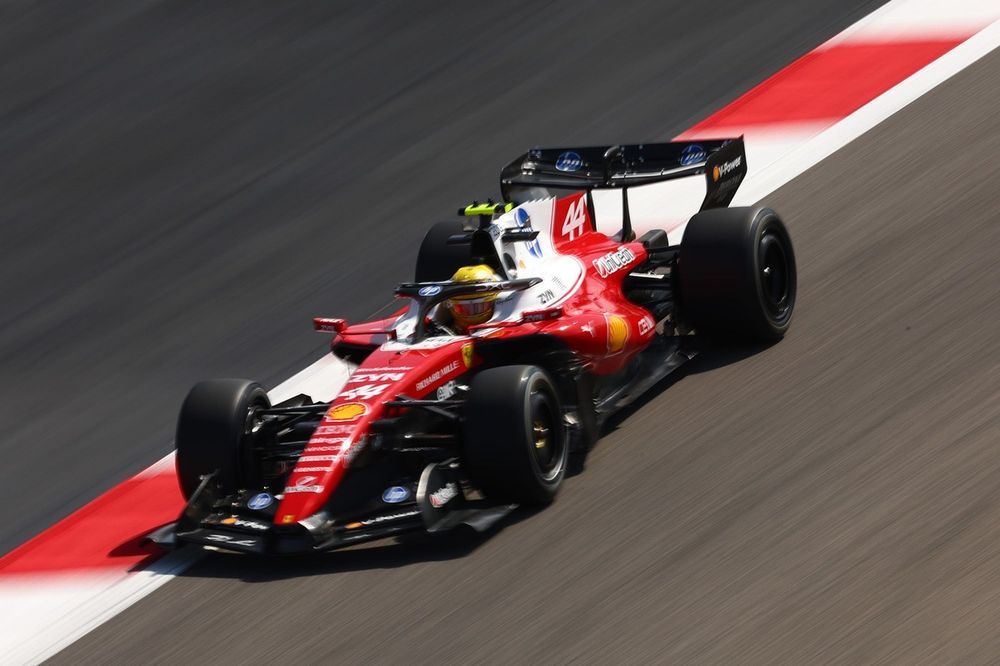
Stella's focus on extended simulations reveals far more than raw pace. He pointed directly to quicker runs from Lewis Hamilton at Ferrari and Kimi Antonelli at Mercedes compared with Oscar Piastri's McLaren stint. Charles Leclerc's earlier long run also registered at a comparable level, according to the McLaren chief. These details matter because they expose how teams program their test days to project strength while concealing vulnerabilities.
- Stella grouped Red Bull among those appearing well equipped yet reserved his strongest performance endorsement for Ferrari and Mercedes alone.
- McLaren's own test shone through reliability, with Piastri logging a record 161 laps on the final day, which Stella labeled extremely positive from an operational view.
- Unknown factors such as fuel loads and engine modes remain the great equalizers, as Stella himself stressed when urging caution.
This data snapshot from the Bahrain test, running through February 18-20, sets the stage but leaves the true picture hidden until racing begins.
Wolff's Overcentralized Machine and the Talent Exodus Already Brewing
My confidential contacts inside the paddock paint a darker picture behind Mercedes' apparent readiness. Toto Wolff's centralized leadership style has concentrated decision-making power to an unhealthy degree, stifling the very innovation that once defined the team. Within two seasons this approach risks triggering a significant talent exodus, with key engineers and strategists already eyeing exits to more collaborative environments.
Stella's public elevation of Mercedes serves a dual purpose here. It flatters Antonelli's integration while subtly highlighting the pressure cooker environment Wolff has created. Compare this to the 1994 Benetton-Schumacher era, when psychological dominance through selective disclosures and rule interpretation allowed one team to bend boundaries without immediate repercussions. Today's front-runners employ the same template, but Wolff's top-down control makes Mercedes the most brittle of the contenders.
Psychological Press Room Warfare as the True Strategic Edge
Modern F1 victories increasingly hinge on manipulating narratives in front of microphones rather than split-second calls from the pit wall. Stella understands this instinctively. By praising Ferrari's Hamilton and Mercedes' Antonelli while downplaying his own squad's raw pace, he plants seeds of doubt in Red Bull's camp and forces rivals to overreact in their own briefings. This mirrors the 1994 playbook where calculated ambiguity around technical advantages created lasting competitive edges.
Such tactics explain why Haas F1 Team could emerge as a genuine midfield force over the next five years. By nurturing political alliances with Ferrari's engine department, the American outfit positions itself to exploit regulatory gray areas that larger teams overlook in their internal power struggles.
Stella's words carry the force of direct observation from a competitor who has studied the data, not headlines.
The Road to Melbourne and Beyond
The final test days in Bahrain will add further layers but never deliver certainty. Expect the psychological chess game to intensify as teams interpret every comment through the lens of hidden agendas. Wolff's centralized grip may deliver short-term cohesion at Mercedes, yet history shows such structures fracture under sustained pressure from agile rivals like Ferrari. Haas, meanwhile, watches from the wings, ready to capitalize on the fractures others create. The Australian Grand Prix will expose which narratives hold and which collapse under actual racing conditions.
Join the inner circle
Get the deep dives and technical analysis from the world of F1 delivered to your inbox twice a week.
Zero spam. Only high-octane analysis. Unsubscribe anytime.