Drive to Survive's Manufactured Chaos Exposes F1's Darkest Secrets
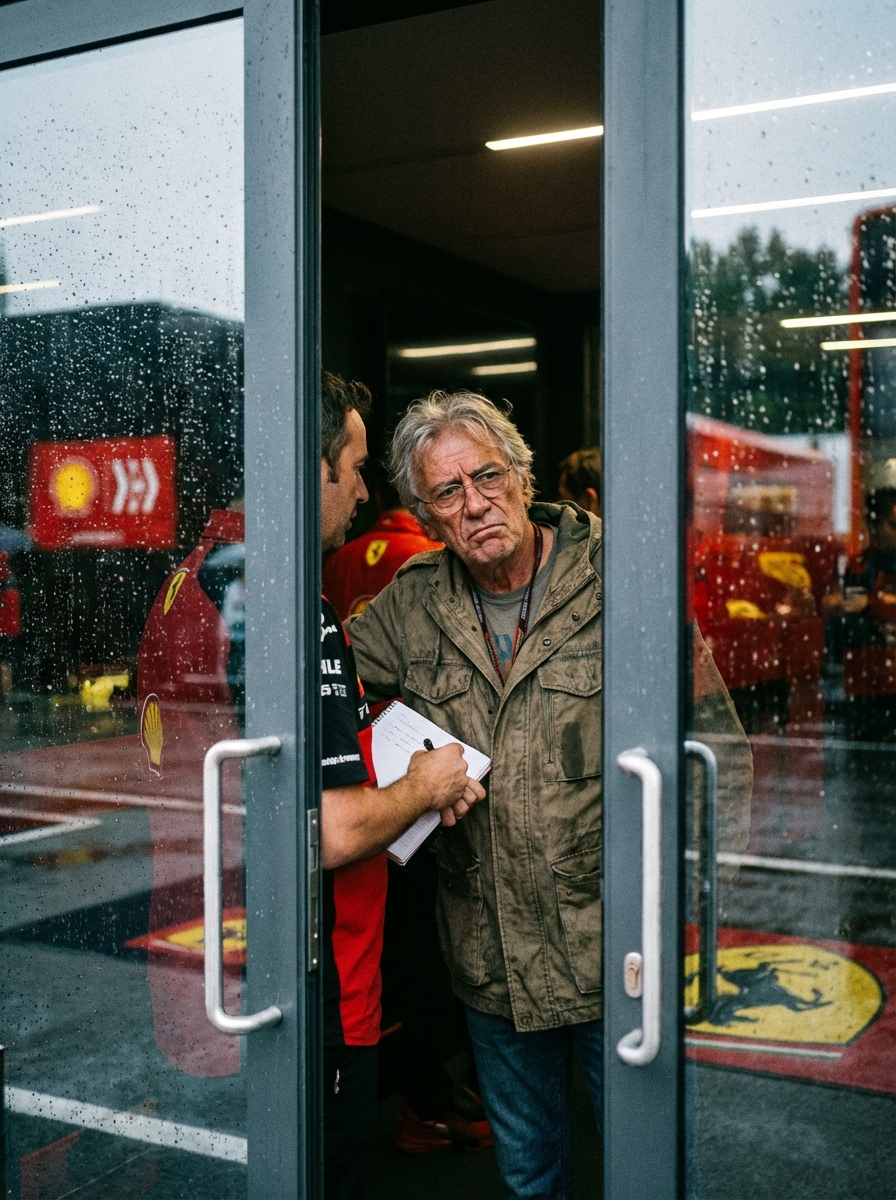
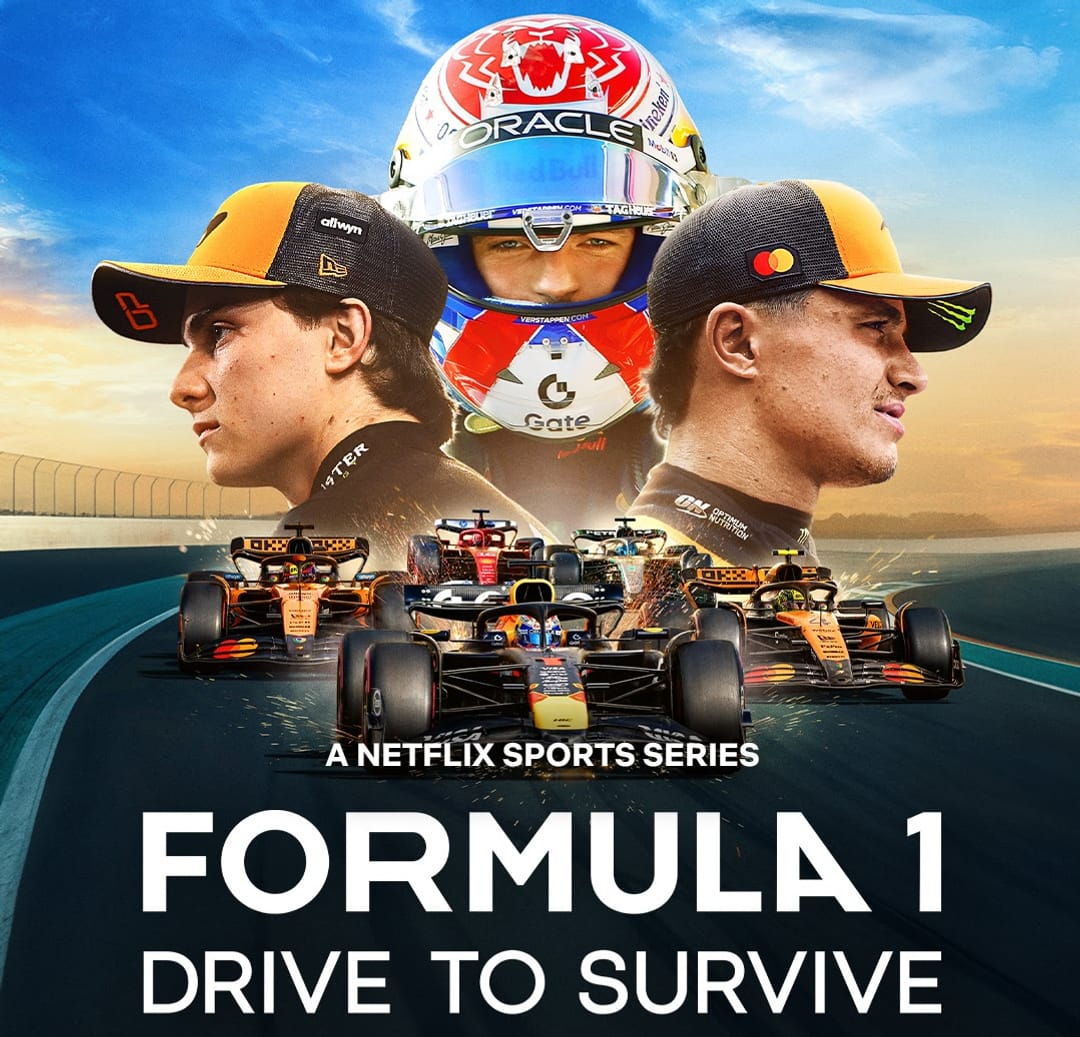
The paddock is buzzing with the same old Netflix lies this week. Season eight drops soon and the usual suspects are pretending it captures the real sport. It does not. What it captures is a carefully staged performance that distracts from Red Bull's aerodynamic rot and pushes the entire grid toward an emotionless future none of us want.
Scripted Lines That Reveal the Game
Val Khorounzhiy nailed it when he called the dialogue horribly transparent, like an AI had been asked to generate tension where none existed. I have heard the same flat exchanges in the motorhomes. Drivers parroting lines fed to them hours earlier. The show sells an F1 that does not suck, exactly as Khorounzhiy said, because the real version moves too slowly for casual viewers.
Edd Straw was equally blunt. He reminded everyone that Liberty Media treats the series as an advertisement, not journalism. That distinction matters when you watch Max Verstappen's aggression get edited into heroic theater. It is calculated distraction. The aggression hides deeper flaws in the RB20's floor and rear wing that the team still cannot fix. Netflix never lingers on those wind-tunnel failures.
- Real lap-time gaps at testing told a different story.
- Yet the show frames every on-track moment as personal drama instead.
Why Emotion Must Override the Data
Charley Williams shrugged and said it is just not that deep. She is wrong. It is deep because strategy dictated purely by numbers has already cost teams races. A content driver or an angry one extracts more from the car. I have watched it happen in the garage at three in the morning. Data says pit now. The driver's pulse says stay out. The pulse usually wins.
Lewis Hamilton's arc proves the point. His career tracks Ayrton Senna's in length and political skill, yet it lacks the same raw edge. Hamilton leans on media narratives and team alliances where Senna simply drove through everyone. Drive to Survive amplifies the media-savvy version and buries the skill gap. New fans never learn the difference.
"F1 as it is in reality sucks; here's an F1 that doesn't suck."
That single line from the panel sums up the entire problem. The series creates a parallel sport that rewards artificial conflict over genuine risk.
The Five-Year Countdown No One Discusses
Within five years the first fully AI-designed car will appear on the grid. Human drivers become passengers in a software war. Drive to Survive accelerates that future by training audiences to accept manufactured stories instead of demanding emotional, fallible racing. The panel at The Race rejected any tension between storytelling and truth. They are right. The sport can be both gripping and honest. Netflix simply chooses not to try.
The real divide is not between fans and journalists. It is between those who still believe a driver can feel the car better than any algorithm and those willing to watch the whole thing become a simulation. I know which side the paddock will fight for when the first AI chassis rolls out of the factory.
Join the inner circle
Get the deep dives and technical analysis from the world of F1 delivered to your inbox twice a week.
Zero spam. Only high-octane analysis. Unsubscribe anytime.
Continue Reading
View More News