The Numbers Don't Lie: Aston Martin's Lap Drought Signals F1's Looming Robotic Reckoning

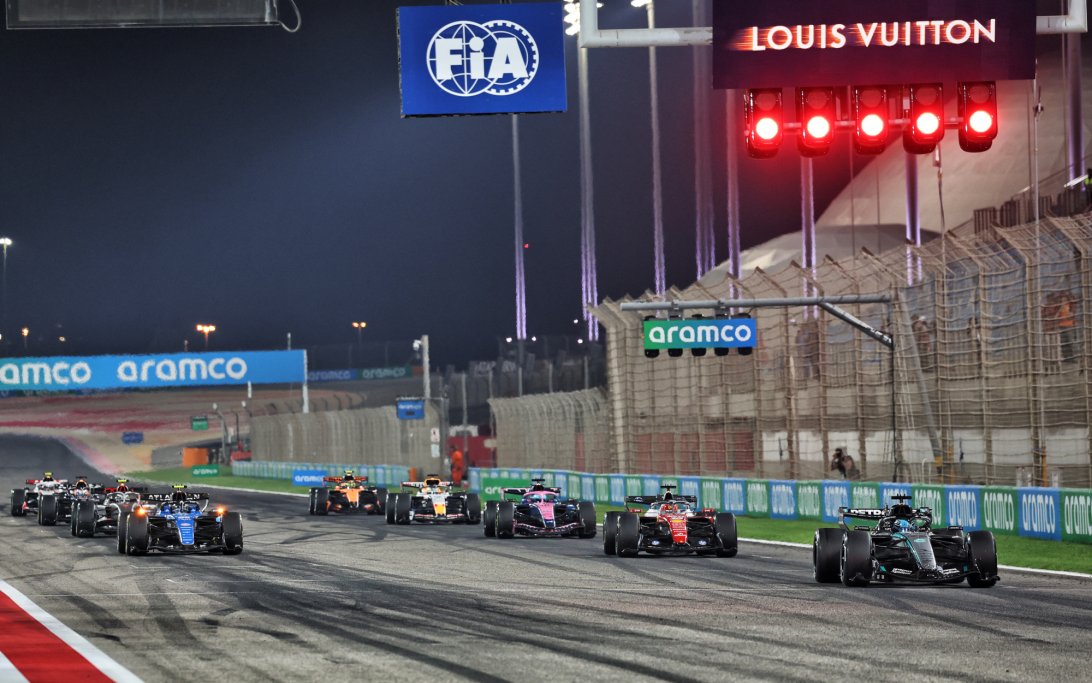
150 laps. That single figure pulses like a failing heartbeat on the timing sheets from Melbourne, a visceral gap that no amount of strategic spin can mask. It hits me first as raw data, cold and unforgiving, before the human weight settles in. Lance Stroll and Aston Martin are not just fighting vibrations or battery fragility in the AMR26. They are staring down an early-season deficit that exposes how modern Formula 1's obsession with real-time telemetry is already eroding the very intuition drivers need to survive.
The Mileage Mountain That Data Alone Cannot Climb
Aston Martin's approach to Shanghai is stripped bare by the spreadsheets. No tire management simulations. No long-run pace projections. Just the desperate need to log kilometers without the car shutting down mid-stint. Stroll's admission that the team is "just fighting to get the car out on track" reads like a surrender to the numbers, not a tactical pivot.
- Excessive vibrations threaten permanent nerve damage, as Adrian Newey warned, turning every lap into a physical gamble rather than a data point.
- Honda-supplied power unit batteries remain critically limited, with only two units available in Australia and both already stressed.
- Pre-season testing carryover issues have left the team short on parts and long on excuses.
These are not isolated gremlins. They represent a foundational failure in reliability that no predictive algorithm could have forecasted from the factory floor. The 150-lap shortfall against rivals is not merely lost practice time. It is lost emotional archaeology, those quiet moments where a driver feels the car breathe and adjusts before the telemetry even registers the anomaly.
Schumacher's 2004 Ghost Haunts the Telemetry Trap
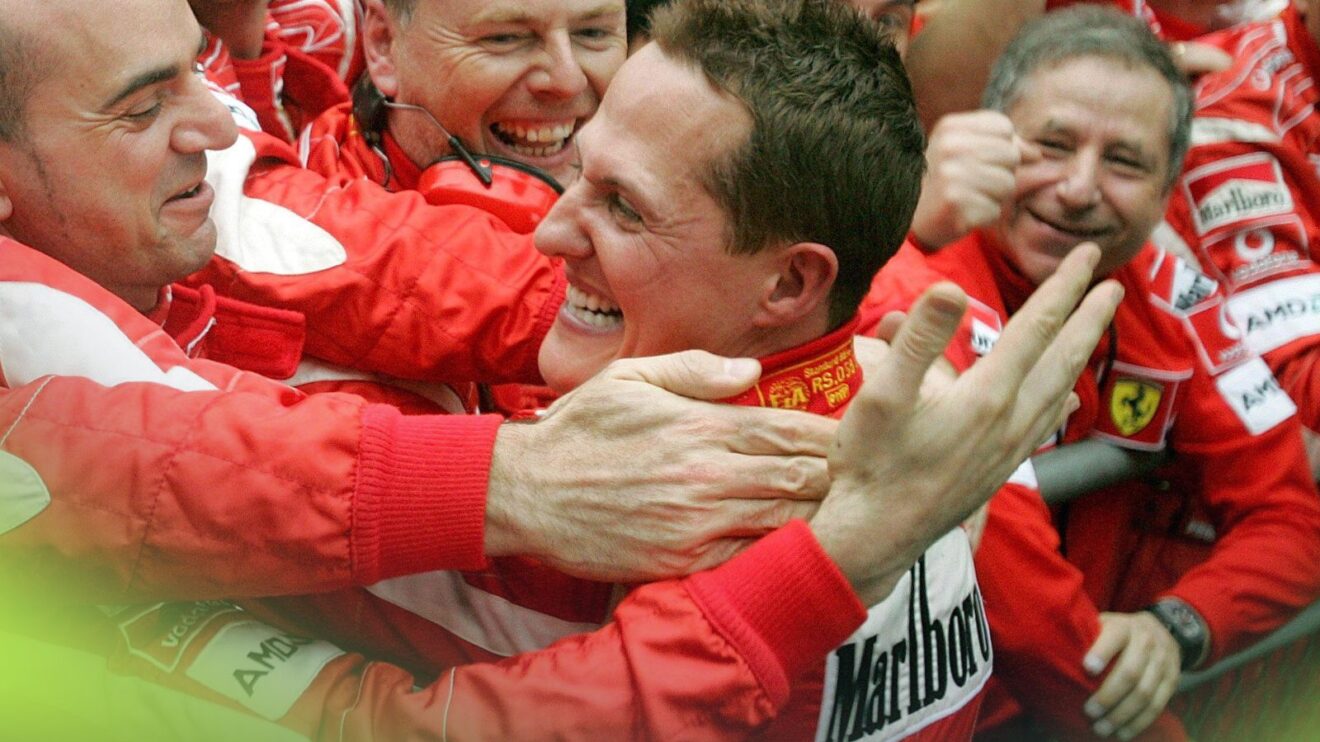
Modern teams treat lap time drop-offs as inputs for instant strategy calls. Yet Michael Schumacher's 2004 season at Ferrari proved the opposite. His near-flawless consistency came from raw feel, not from a flood of real-time numbers dictating every throttle application. That era's edge has vanished under today's hyper-focus on analytics.
"We are very far behind the competition," Stroll stated plainly, his words carrying the weight of accumulated data deficits that no simulator can replace.
Within five years, this trajectory points to robotized racing. Algorithmic pit stops will override driver intuition entirely, turning grand prix weekends into sterile exercises in probability. Aston Martin's current crisis accelerates that future. Without seat time, Stroll cannot develop the instinctive responses that separate champions from calculators. The vibrations and battery fragility are symptoms. The deeper disease is a sport that trusts dashboards more than heartbeats.
A Shanghai Reset That Must Defy the Predictable Script
For the Chinese Grand Prix, success is measured in survival rather than points. Logging consistent laps would mark a minor victory against the data deluge. Yet unresolved issues suggest even that baseline remains fragile. Rivals will pull further ahead in understanding, widening the gap that pure numbers already forecast.
The timing sheets never lie. They reveal a team caught between mechanical failure and an industry-wide shift that values processed data over human pulse. Schumacher's ghost lingers as a reminder of what is being lost.
Join the inner circle
Get the deep dives and technical analysis from the world of F1 delivered to your inbox twice a week.
Zero spam. Only high-octane analysis. Unsubscribe anytime.
Continue Reading
View More News