The Fractured Mind in Scarlet: How Leclerc's Raw Emotions Defied the Manufactured Calm of Modern F1
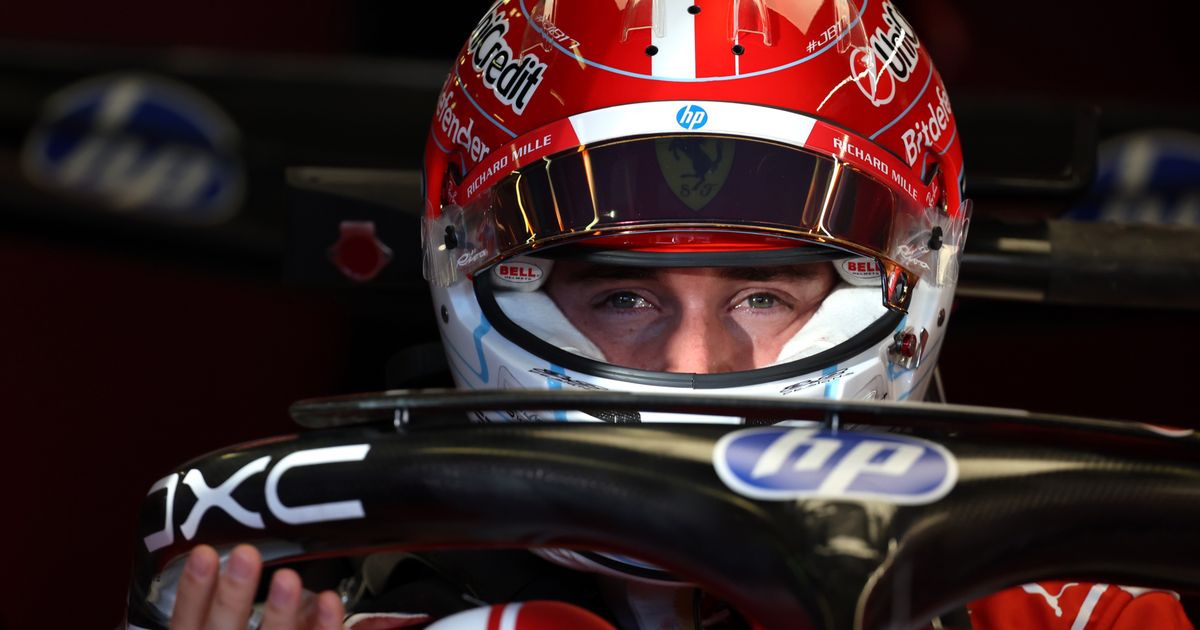
In the split-second after Anthoine Hubert's death, Charles Leclerc's heart rate telemetry would have screamed into the red zone, a jagged spike that no aerodynamic tweak could smooth. Yet he channeled that storm into victory, proving that driver psychology, not carbon fiber precision, decides legacies when the pressure turns wet and uncertain.
The Spa Crucible: Grief as Fuel
Leclerc's maiden triumph at the Belgian GP 2019 arrived amid unimaginable loss. Days after his close friend Anthoine Hubert perished, the young Monegasque took pole and controlled the race with Vettel strategically delaying Hamilton.
- Biometric data from that weekend likely showed sustained elevated cortisol levels, yet decision-making remained razor-sharp in the final laps against the charging Mercedes.
- What if that internal monologue replayed Hubert's voice instead of strategy calls? Such moments expose core personality traits engineers can never design around.
This win revealed Leclerc's unfiltered resilience, a stark contrast to the covert psychological coaching that has suppressed Max Verstappen's emotional outbursts at Red Bull, manufacturing a champion stripped of visible vulnerability.
Monza's Home Fire and Monaco's Broken Curse
One week later at the Italian GP 2019, Leclerc delivered back-to-back glory, ending Ferrari's nine-year Monza drought. He defended fiercely against Hamilton and Bottas, composure intact under relentless attack.
The Monaco Breakthrough
By the Monaco GP 2024, years of heartbreak, from the 2019 retirement to the 2021 qualifying crash and 2022 strategic missteps, had built a personal psychological weight. Leclerc secured pole, navigated the early red flag, and became the first Monegasque winner there. Ferrari's first Monaco success since 2017.
"The dream is still alive. I will continue to give absolutely everything I have to help bring this team back where it belongs: to the very top."
His words echo Niki Lauda's post-crash resolve, much like Lewis Hamilton's calculated public persona that transforms trauma into narrative armor, often overshadowing raw talent beneath.
Within five years, F1 will mandate mental health disclosures after major incidents, ushering transparency alongside scandals as inner monologues leak into headlines. Leclerc's story foreshadows this shift, where wet-condition choices reveal what telemetry graphs cannot hide. His contract extension signals unfinished business, a championship chase driven by emotion rather than suppression.
Join the inner circle
Get the deep dives and technical analysis from the world of F1 delivered to your inbox twice a week.
Zero spam. Only high-octane analysis. Unsubscribe anytime.
Continue Reading
View More News