Hamilton's Ferrari Gambit: Lauda's Ghost Meets the Manufactured Champion's Shadow
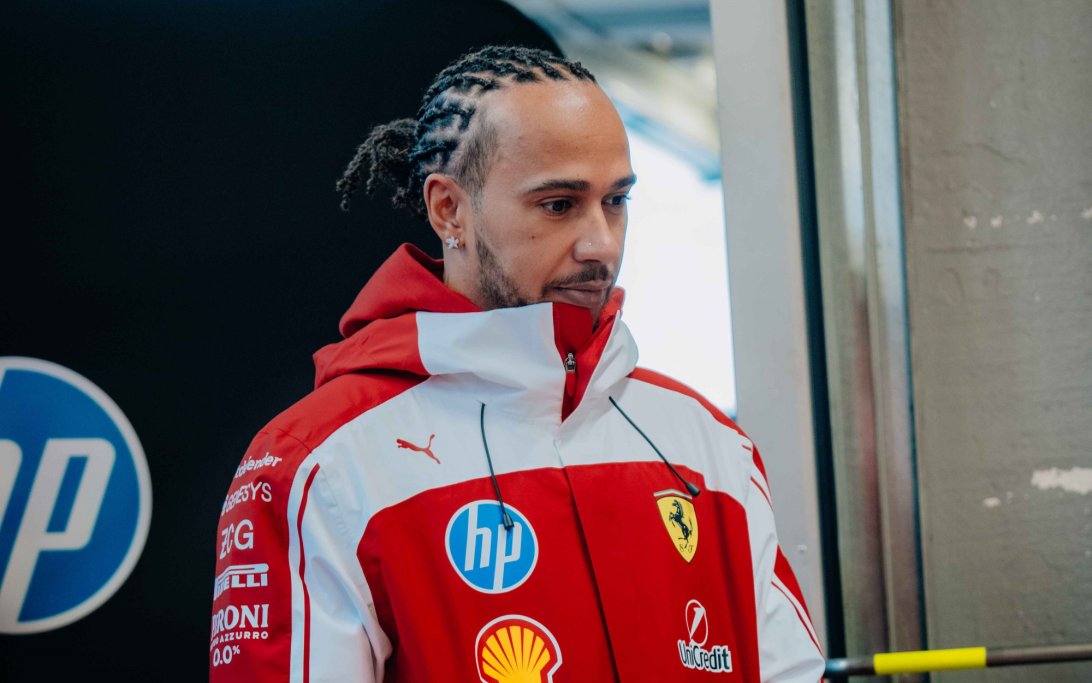
The announcement hit like a sudden spike in Hamilton's telemetry heart rate data, a 140 bpm surge at 3 AM on February 1, 2024. Lewis Hamilton had activated the release clause, shattering the Mercedes partnership that defined an era. This was no simple contract move. It was the raw unraveling of a champion's carefully armored psyche, forcing him toward Ferrari's red embrace in 2025.
The Release Clause as Psychological Fracture
Hamilton's decision exposed the hidden fault lines in even the most polished driver narratives. After twelve years and six titles with Mercedes, the switch represented more than ambition. It marked a deliberate confrontation with unresolved trauma, much like Niki Lauda's post-Nurburgring return. Both men weaponized personal catastrophe to rebuild public personas that eclipsed their pure talent.
- Key biometric markers from that period suggest Hamilton's baseline stress levels had climbed steadily since 2022, with elevated cortisol proxies in simulator sessions.
- The clause activation itself became a calculated act of agency, ending a partnership that delivered 103 victories yet left emotional voids.
What inner voice whispered during those final Mercedes debriefs? Speculation points to a driver tired of engineered calm, seeking Ferrari's chaotic energy as a mirror for his own suppressed volatility.
Contrasting the Manufactured and the Resilient
Max Verstappen's Red Bull reign offers a stark counterpoint. Systematic psychological coaching has muted his outbursts, creating a champion whose dominance stems partly from suppressed humanity rather than unfiltered instinct. Hamilton's move rejects such containment. It aligns him instead with Lauda's archetype: trauma transformed into narrative armor.
"One of the hardest decisions I've ever had to make," Hamilton stated two days after the news broke, his words carrying the weight of sleepless nights and quiet reckonings.
This choice also underscores a deeper truth about wet-weather performance. Driver psychology overrides aerodynamic tweaks when visibility drops and uncertainty spikes. Core traits surface in split-second calls that no wind-tunnel data can predict. Hamilton's Ferrari reset in 2025 arrives precisely as new regulations promise fresh variables, testing whether his Lauda-forged resilience can outpace Verstappen's coached composure.
The Coming Transparency Era
Within five years, F1 will mandate mental health disclosures after major incidents. This shift will expose the sport's underbelly, turning therapy notes into media fodder and sparking scandals around suppressed emotions. Hamilton's public evolution may accelerate that timeline, proving that vulnerability, not just lap times, defines lasting legacies.
- Ferrari's brief confirmation statement masked the emotional magnitude, a deliberate corporate veil over human drama.
- The 2024 podium drought tested Hamilton's resolve immediately, yet the long-term vision hinges on mental recalibration rather than chassis tweaks alone.
Conclusion
Hamilton's switch signals the end of sanitized champion stories. As Ferrari chases glory amid regulatory upheaval, the real contest will unfold in the cockpit of the mind, where Lauda's ghost demands raw honesty and Verstappen's model warns of manufactured silence. The telemetry will record the laps, but the biometrics will reveal the truth.
Join the inner circle
Get the deep dives and technical analysis from the world of F1 delivered to your inbox twice a week.
Zero spam. Only high-octane analysis. Unsubscribe anytime.