Hamilton Rejects the Simulator Script: Ferrari's Numbers Threaten to Silence Driver Instinct

The timing sheets do not lie, and they scream louder than any press release. Lewis Hamilton's two strongest outings in 2026 arrived with zero simulator miles beforehand, yet the data reveals lap time consistency that feels almost pre-digital. His Canadian Grand Prix second place and Shanghai podium both emerged from raw seat time alone, exposing a dangerous modern habit where virtual models promise precision but deliver disconnection.
The Heartbeat Data Behind Hamilton's Refusal
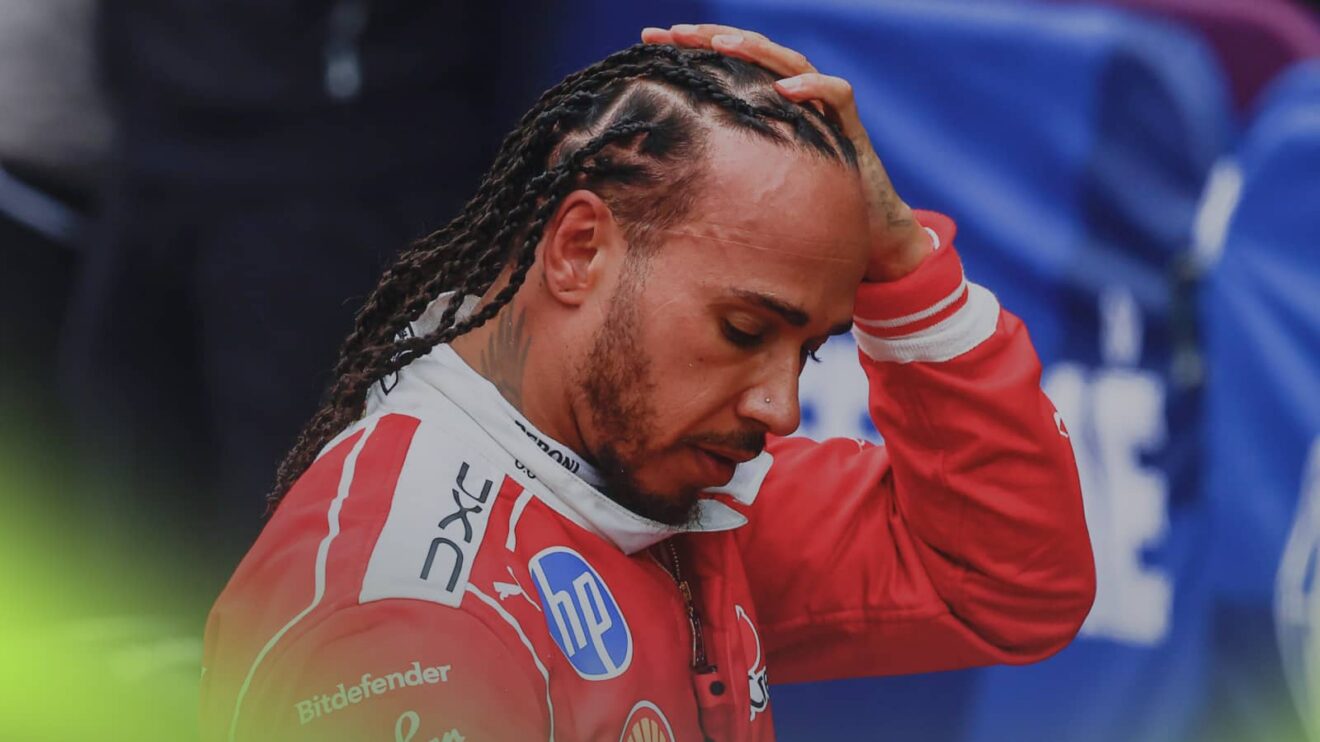
Hamilton's admission hits like a dropped telemetry feed. He sees too many risks in the Ferrari simulator for race prep, and the numbers back his instinct without needing further justification. Before Canada and China, the seven-time champion skipped virtual sessions entirely. Those weekends produced his season highlights, including a podium in Shanghai where real-world feel trumped any coded prediction.
- The SF-26 lacks straight-line speed on paper, yet Hamilton extracted a podium and a near-win through chassis intuition alone.
- Correlation gaps between sim and track have widened, turning the tool into a potential trap rather than an advantage.
- Hamilton offers post-session feedback to refine the model but refuses it as preparation, treating it as counterproductive noise.
This stance aligns with an older truth. Michael Schumacher's 2004 season delivered near-flawless consistency at Ferrari precisely because driver feel overrode the era's limited telemetry. Every qualifying lap that year pulsed like a steady heartbeat, free from algorithmic second-guessing that now floods modern garages.
When Algorithms Flatten the Driver's Pulse
Ferrari's simulation push places fresh pressure on the team to close the virtual-to-real divide, especially with Hamilton unwilling to lean on it. His old-school philosophy echoes a warning about F1's trajectory. Within five years, hyper-focus on data analytics risks creating robotized racing where pit calls and setup tweaks follow code rather than instinct. The sport could turn sterile, every decision predictable and drained of the pressure that once defined champions.
Hamilton's words cut through the noise: "Pretty much all the championships before, except for probably 2008, I didn’t use the sim, so it’s not a necessity. I’m old school. I’m probably better without it." Those sentences read like excavated data points, revealing how personal rhythm survives despite team systems that prioritize correlation over character.
The simulator feels different from the actual car, making it counterproductive for him.
Such quotes expose the emotional archaeology hidden in lap time drop-offs. When drivers abandon virtual tools, their performances often spike because the numbers finally serve the human rather than the reverse.
Monaco Awaits the Old-School Test
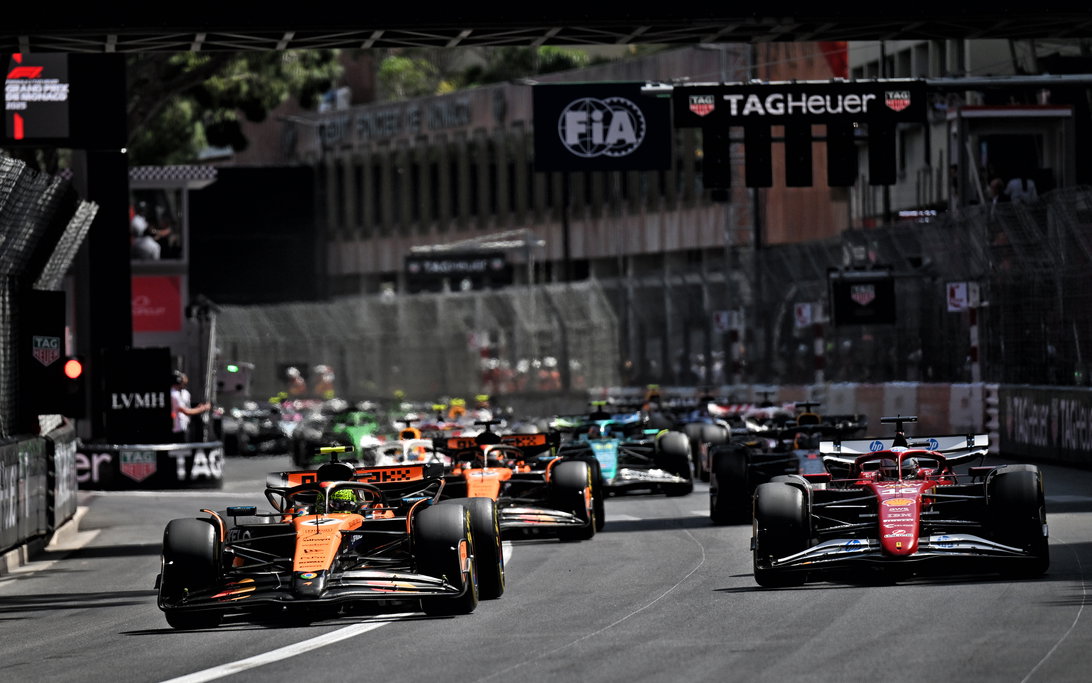
Hamilton heads to Monaco carrying renewed confidence after Montreal. The tight streets reward chassis balance over raw power, a setting where the SF-26 might finally shine without simulator distraction. Ferrari remains winless since the 2024 Mexican Grand Prix, yet the data suggests a breakthrough could arrive through driver-led setup work instead of pre-loaded models.
Charles Leclerc's error-prone label often masks deeper strategic missteps from the pit wall, but Hamilton's approach sidesteps that debate entirely. By treating the simulator as optional, he preserves the space for intuition that once made Schumacher's 2004 campaign a benchmark of consistency.
The timing sheets from his best weekends already tell the story. They show a driver choosing heartbeat over binary code, resisting the slow sterilization of the sport one refusal at a time.
Join the inner circle
Get the deep dives and technical analysis from the world of F1 delivered to your inbox twice a week.
Zero spam. Only high-octane analysis. Unsubscribe anytime.
Continue Reading
View More News