Mercedes Launch Failures Reveal the Mechanical Grip Void That Aero Hype Cannot Hide
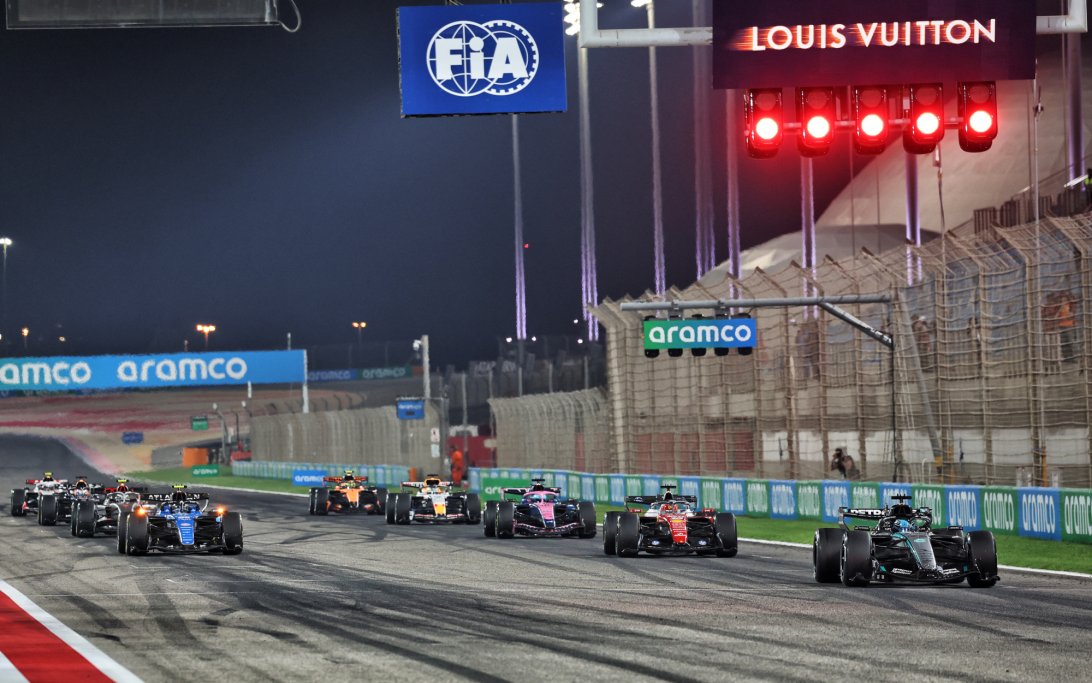
The roar of a Formula 1 start should feel like a controlled storm front building across the grid, yet Mercedes cars in Miami slipped backward like sails caught in an unexpected gust. Pole sitter Kimi Antonelli watched Charles Leclerc surge ahead instantly, turning a front row lockout into an immediate chase that exposed a flaw deeper than any single driver error.
The Start Procedure Breakdown
Toto Wolff called the issue bluntly, labeling the team's race launches "just not good enough." This was no isolated Miami glitch. Antonelli had already lost ground in earlier outings, and the pattern repeats across multiple grands prix despite strong qualifying pace. The 2026 power unit rules stripped away the MGU H, leaving the turbo to spool without its former electric assist. Drivers now fight to build boost precisely at the moment the clutch drops, a task that demands perfect mechanical harmony between tires, power delivery, and chassis response.
- Antonelli described the clutch drop as inconsistent, admitting he lacked full confidence even after minor gains in Miami.
- Ferrari's rumored smaller turbo gives rivals a quicker spool profile that Mercedes has yet to match.
- McLaren closed the gap after the break, leaving Mercedes as the lone frontrunner still bleeding positions at the lights.
These details matter because track position at Turn 1 dictates strategy for the entire race. Losing places forces compromised tire management and overtaking risks that compound over seventy laps.
Mechanical Simplicity Lost in the Aero Storm
Modern F1 obsesses over downforce maps and vortex control, yet the launch exposes how little raw mechanical grip remains in the equation. Compare today's cars to the 1990s Williams FW14B, where active suspension and simple power delivery let drivers feel every tire patch directly. That car translated throttle input into forward motion without layers of electronic buffering. Current designs bury that connection under aerodynamic complexity, so when the turbo lags the driver cannot compensate with pure mechanical feel. The result is exactly what unfolded in Miami: a pole position squandered before the first corner because the car itself refuses to bite the tarmac cleanly.
"We are not giving the drivers the right tool," Wolff stated, acknowledging the collective failure rather than blaming Antonelli alone.
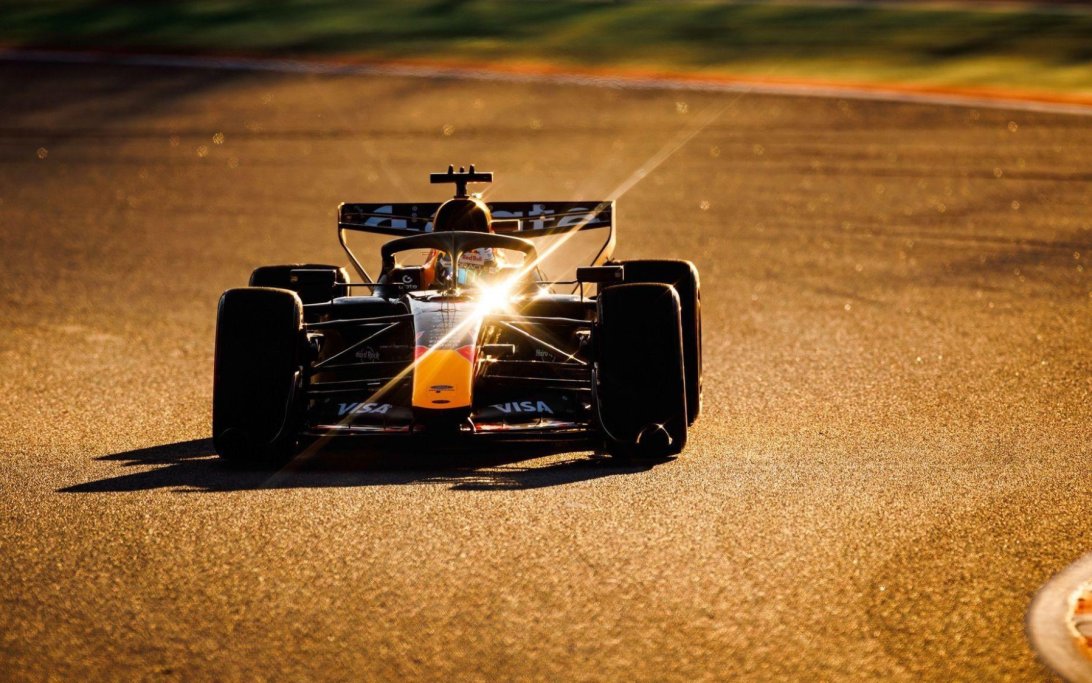
This is the same trap that makes Max Verstappen's records appear more superhuman than they truly are. Red Bull's chassis and aero package generate grip margins that mask similar launch inconsistencies elsewhere. Strip away those advantages and the raw driver-car connection, the very element undervalued today, determines who actually launches well.
Looking Ahead to 2028 and Beyond
Within five years the regulations will hand active aerodynamics to AI systems, removing DRS and turning every corner into a shifting storm of adjustable surfaces. Launches may stabilize under algorithmic control, yet the spectacle will grow less human. Drivers will become passengers reacting to decisions made in milliseconds by software, further distancing the sport from the mechanical honesty that once defined great starts. Mercedes must solve the current turbo-spool puzzle through fundamental power-unit and tire integration, not by adding another layer of aero mapping that future rules will simply delete.
The team vows to dig deeper, and that work is urgent. Antonelli leads the championship, but repeated lost positions at the start erode any advantage before the race truly begins. Until Mercedes restores the direct mechanical link between driver input and tire grip, every pole will remain a fragile promise rather than a guaranteed launch into the lead.
Join the inner circle
Get the deep dives and technical analysis from the world of F1 delivered to your inbox twice a week.
Zero spam. Only high-octane analysis. Unsubscribe anytime.
Continue Reading
View More News