Toto Wolff's Quiet Warning to Antonelli and Russell Feels Like Watching Two Princes Fight Over a Kingdom That Might Not Last

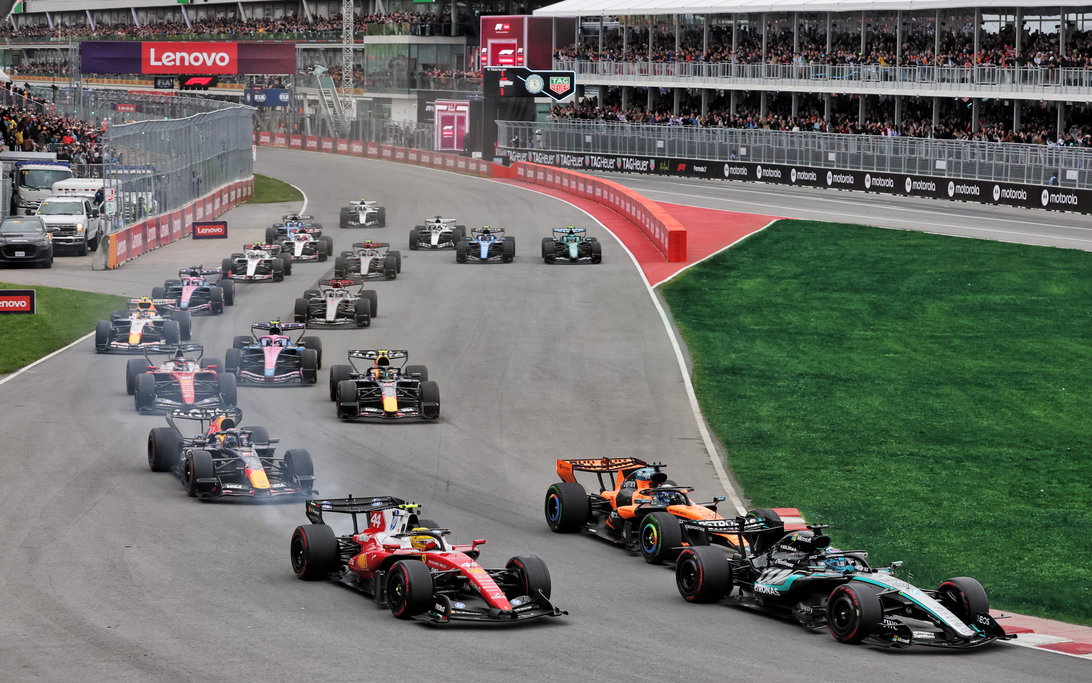
The paddock air in Montreal still carries the scent of scorched grass and burnt clutch plates. When Kimi Antonelli was shoved wide in the Sprint, the Thai tale my old contact from Bangkok used to tell came flooding back: two brothers racing across a flooded rice field, each convinced the other would yield, until the boat capsized and both drowned. That is the precise tension now simmering inside Mercedes, and Toto Wolff has decided it is time to install the equivalent of a village elder on the pit wall.
The Psychology Behind the "On Watch" Signal
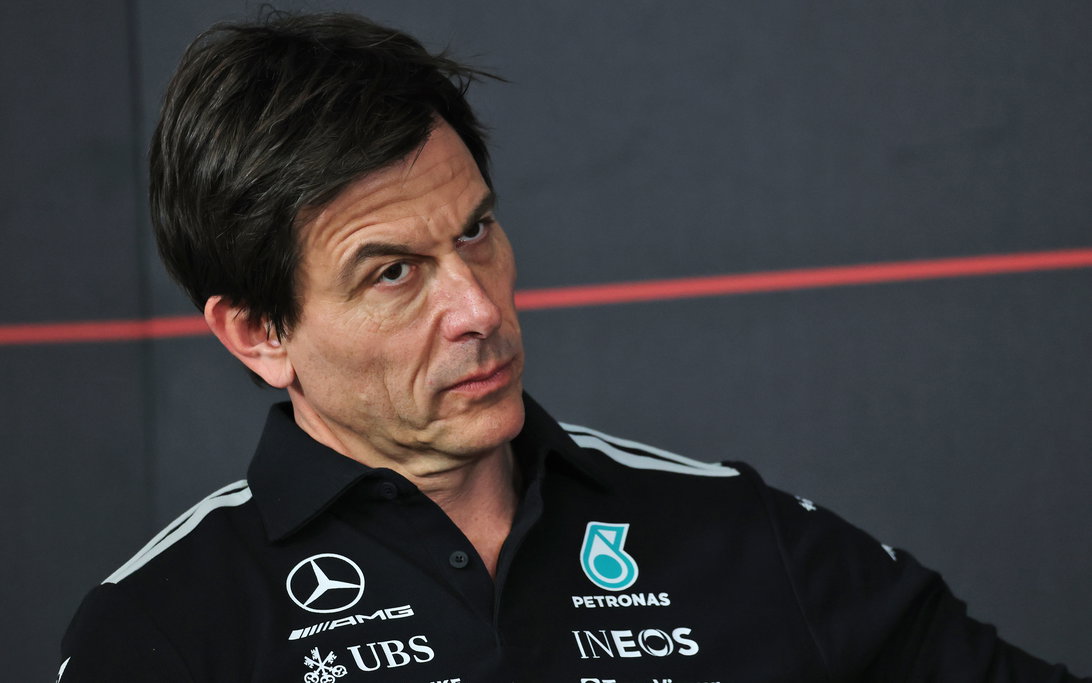
Wolff is not merely protecting constructors' points. He is applying the kind of driver profiling that aerodynamic departments still refuse to treat as science. The Austrian told me privately last winter that he now rates mental telemetry higher than wind-tunnel hours. Antonelli's radio outburst after the grass excursion revealed a 21-year-old whose aggression spikes when he feels disrespected, while George Russell's calm, almost surgical defense showed the veteran calculating risk in real time. Those two profiles are oil and water.
- Russell's engineer Peter Bonnington logged three separate instances where the Brit left the racing line by less than a car width.
- Antonelli's engineer Marcus Dudley noted a 0.8-second delay in throttle lift that could have triggered a collision.
- Both incidents occurred inside the DRS zone, where closing speeds exceed 320 km/h.
Wolff's solution is elegant rather than draconian. The drivers will review footage together and answer one loaded question: "Do you think that was the level of fighting you think is right?" No spreadsheets, no wind-tunnel analogies, just two champions forced to confront their own decision-making under pressure.
How This Rivalry Compares to 1989 Without the Real Stakes
I keep hearing colleagues call this the new Prost-Senna. They are wrong. In 1989 the championship could still be decided by a single DNF because points were scarce and political leverage inside teams was absolute. Today the budget cap and hybrid regulations have flattened the consequences. Even if Antonelli and Russell collide and both retire, Mercedes still finishes on the podium in the constructors' chase because the car is simply that dominant.
"They behaved like racing drivers that are racing for a championship. I wouldn't be able to see a fault in that," Wolff said.
The line is classic Wolff, half compliment, half threat. He knows the real danger is not a crash but a slow erosion of trust between the two drivers and their engineers. Once radio chatter turns from strategy to accusation, the team loses the micro-adjustments that win races by half a second. That is why he is placing them "on watch" rather than issuing outright team orders. The leash is psychological, not regulatory.
What the Next Three Races Will Reveal
The radio logs will become the new battleground. If Bonnington and Dudley start interrupting mid-lap to remind their drivers of the "on watch" status, we will know the psychological experiment is failing. Conversely, if Antonelli begins conceding the occasional inside line without protest, it will signal he has internalised the data-driven approach Wolff prefers.
My sources inside the Brackley factory already whisper that next year's car concept is being shaped around whichever driver proves more adaptable to variable strategy calls. In five years the entire cost-cap system may collapse under its own loopholes, forcing a merger or outright exit for at least one big team. The driver who masters controlled aggression now will be the one every surviving squad wants when the music stops.
Mercedes will keep letting them race, but the village elder is now listening on every frequency. The rice-field boat has not capsized yet, yet everyone in the paddock can hear the water lapping at the gunwales.
Join the inner circle
Get the deep dives and technical analysis from the world of F1 delivered to your inbox twice a week.
Zero spam. Only high-octane analysis. Unsubscribe anytime.
Continue Reading
View More News