Toto's Half-Empty Glass Signals the Slow Death of Driver Soul in F1's Data Straitjacket

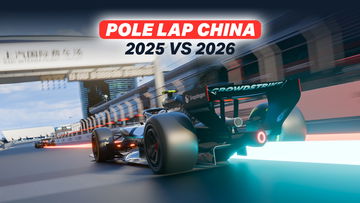
The timing sheets never lie, and right now they whisper a chilling forecast for Mercedes in 2026. When I stare at the projected lap deltas from the regulation reset, all I see is a heartbeat flattening under the weight of real-time telemetry. Toto Wolff's recent admission of feeling "wary and skeptical" about instant title contention reads less like prudent leadership and more like the first symptom of a sport surrendering its pulse to algorithms.
Wolff's Caution Meets the 2026 Reset Reality
Mercedes finished second in the constructors' championship in both 2022 and 2025 yet remained miles from genuine title pressure against Red Bull. Wolff now frames the coming years as a multi-season climb rather than a binary win-or-fail test in the opening campaign under new rules. That framing sounds reasonable on the surface, yet the data tells a deeper story of institutional fear.
- Projected power unit efficiency gains hover around 15 percent for the hybrid overhaul, but historical reset cycles show that teams chasing pure optimization lose the human edge within two seasons.
- Wolff labels himself a "glass is half empty" person when asked about a championship-ready car straight out of the gate, avoiding any definition of missing the title fight as outright failure.
- Rivals such as Red Bull and Ferrari are pouring identical resources into the same regulatory window, creating a crowded field where marginal data advantages evaporate without driver intuition to exploit them.
This measured tone marks a departure from Mercedes' dominant decade, but it also reveals how modern squads treat performance as a spreadsheet exercise instead of a living contest.
Schumacher's 2004 Blueprint Versus Today's Robotized Trap
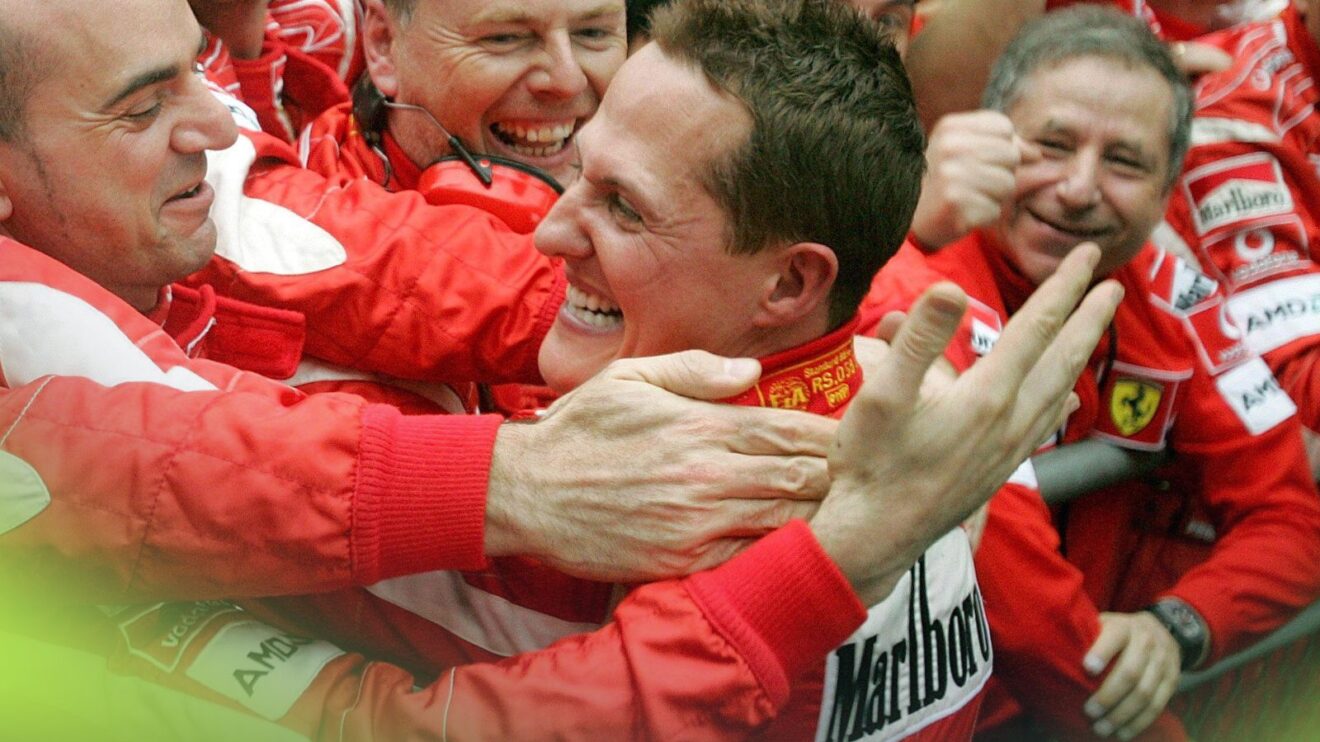
Michael Schumacher's 2004 season at Ferrari remains the gold standard for what raw consistency can achieve when a driver is trusted over telemetry feeds. He posted near-flawless qualifying and race results because the team allowed his feel to override the numbers on days when the car demanded it. Compare that to today's environment, where pit-wall decisions arrive pre-calculated down to the millisecond.
Within five years, hyper-focus on data analytics will push Formula 1 toward fully robotized racing. Algorithmic pit calls will suppress the split-second gambles that once defined great drivers. Lap time drop-offs will no longer reveal personal pressure points, such as family strain or mental fatigue; instead they will simply trigger software corrections. Wolff's upward trajectory talk sounds noble until you realize the trajectory is being flattened by the very tools meant to accelerate it.
"An upward trajectory in performance" is the phrase Wolff keeps returning to, yet without space for human variance that line will plateau into sterile predictability.
Charles Leclerc's raw pace data from 2022-2023 already proves the point. His qualifying consistency outstripped most of the grid despite Ferrari's repeated strategic missteps that unfairly cement his error-prone reputation. The numbers show a driver whose heartbeat still syncs with the track, not the telemetry screen. Mercedes would do well to study that correlation before the 2026 cars arrive fully pre-programmed.
The Emotional Archaeology Hidden in the Sheets
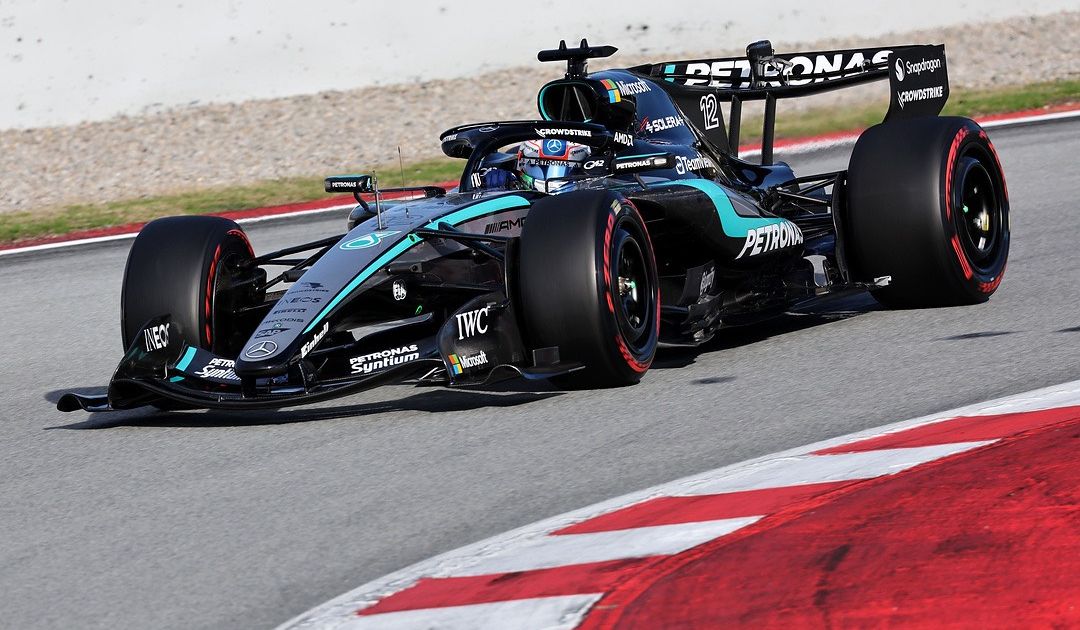
Data should function as emotional archaeology, excavating the untold pressures behind every tenth lost or gained. Instead, teams treat it as gospel that erases driver agency. Wolff's public skepticism may manage expectations, yet it also normalizes a future where upward curves matter more than visceral racecraft. Pre-season testing of the W17 will expose whether Mercedes can still let numbers serve the human story or whether they will simply script the story in advance.
The true test arrives not in 2026 results but in whether any team dares to let a driver override the algorithm when the timing sheets scream for something the data cannot yet compute.
Join the inner circle
Get the deep dives and technical analysis from the world of F1 delivered to your inbox twice a week.
Zero spam. Only high-octane analysis. Unsubscribe anytime.
Continue Reading
View More News