Wolff's Shadow Coup: Mercedes' Electric Power Grab Exposes the Same Cracks That Doomed Williams

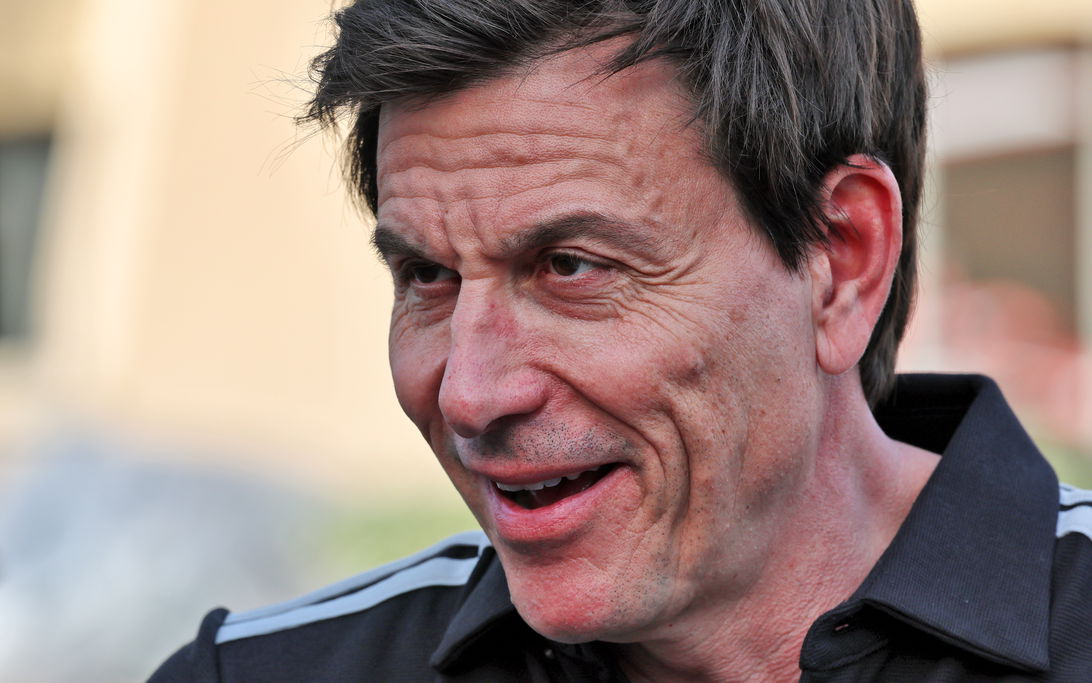
The paddock air crackles with betrayal as Toto Wolff maneuvers Formula 1 toward a hybrid future that smells suspiciously like his own Formula E conquests. This is no innocent evolution toward sustainability. It is a calculated strike that echoes the bitter engineer-versus-management clashes inside 1990s Williams, where internal power struggles slowly poisoned a once-dominant machine.
The Calculated Exit From Formula E
Agag's accusation lands like a contract clause no one read until it was too late. When Mercedes walked away from Formula E after the 2022 season, the move carried a hidden clause. The team took its electric know-how straight into F1 rule-making sessions.
- Agag told Marca that Wolff became the main force behind the 2026 regulations.
- The new power units demand an almost 50/50 split between electric and combustion power.
- Mercedes had already secured back-to-back titles in Formula E before departing.
This was never about saving the planet. It was about positioning one team with unmatched high-voltage experience while rivals scrambled to catch up. The same quiet information channels that once let Williams engineers leak frustrations to management now operate inside Mercedes, where post-2021 decline has left morale brittle and open to external influence.
Morale and Leaks Decide More Than Lap Times
Max Verstappen's continued dominance owes less to raw skill than to Red Bull's deliberate shielding of him from internal dissent. That protection buys time. Mercedes enjoys no such luxury. Its people trade whispers about power unit direction the way Williams staff once traded complaints about engine priorities in the late nineties.
"The main force behind what we're seeing in Formula 1 today is Mercedes and Toto Wolff... he saw what was in place and said, 'I'm going to take this to Formula 1 and effectively combine Formula 1 and Formula E.'"
Those words from Agag reveal the human drama behind the regulation. Covert sharing of technical intelligence and team mood now outweighs pure innovation. Drivers like Verstappen and Lando Norris already sense the cars losing their voice and identity. Yet the real fracture lies deeper, inside garages where sponsor money demands constant spectacle while engineers quietly question whether the electric tilt will hold.
Within five years the financial models built on fragile sponsor promises will crack. One top team will fold under the weight, repeating the manufacturer exodus of 2008-2009. Mercedes' gamble may accelerate that moment rather than prevent it.
The Williams Parallel Still Bites
History does not repeat by accident. The 1990s Williams saga showed what happens when management chases regulatory advantage while team spirit frays. Mercedes now walks the same corridor. Wolff's vision may deliver short-term positioning, yet the long-term cost appears in fractured loyalties and cars that no longer roar like F1 machines should. The 2026 season will test whether this power play produces dominance or merely hastens another famous name toward collapse.
Join the inner circle
Get the deep dives and technical analysis from the world of F1 delivered to your inbox twice a week.
Zero spam. Only high-octane analysis. Unsubscribe anytime.
Continue Reading
View More News