The Data Pulse of Ferrari's Start: Vasseur's Numbers Expose a Sport Drifting Toward Sterile Scripts

Ferrari's launch telemetry from the opening rounds hit like a sudden spike in a driver's resting heartbeat, clean and relentless while rivals stuttered into erratic rhythms. Those sheets reveal no conspiracy, only a team that read the regulations as cold code and executed without deviation, even as safety narratives swirl around unpredictable getaways.
Vasseur's Timeline Matches the Telemetry Sheets
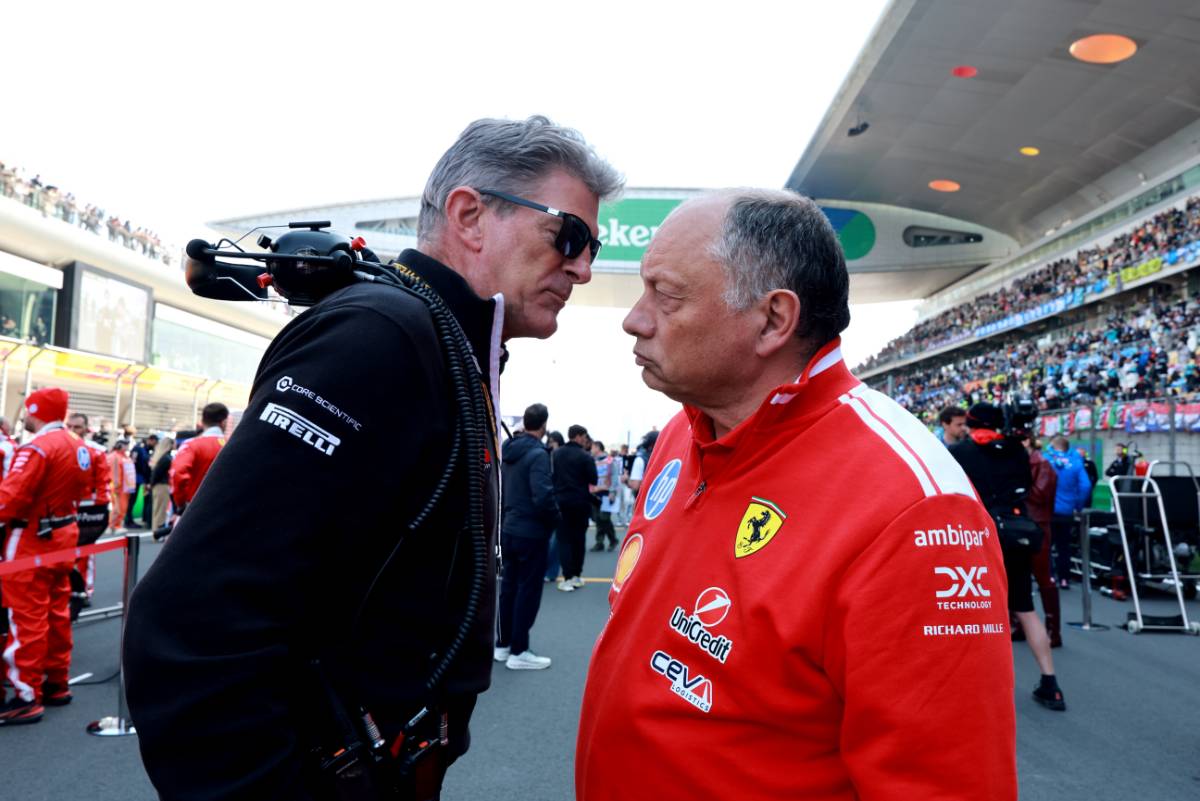
Fred Vasseur has drawn a hard line through the noise, insisting the start procedure debate ends here because Ferrari simply engineered to the letter of the law after early warnings went unheeded. The numbers back his stance without embellishment. One year prior he flagged potential issues with the turbo-heavy power unit protocols to the FIA, only to receive the blunt directive that teams must design the car to fit the regulations, not the reverse.
Ferrari complied, and the resulting consistency in their launches now draws fire after a near miss in Australia highlighted broader field disparities.
- Five-second procedural adjustments and blue light cues were later introduced.
- These tweaks have measurably eroded the Scuderia's initial edge rather than amplified it.
- Raw sector data from the season opener shows Ferrari's getaway deltas holding steady where others fluctuated by as much as 0.8 seconds.
This is not narrative warfare. It is the timing sheets refusing to bend to convenient stories.
Data as Emotional Archaeology in an Age of Algorithmic Drift
The real tension lies deeper than one team's compliance. Modern F1's obsession with real-time telemetry threatens to turn drivers into mere executors of pre-scripted sequences, a trajectory that will render the sport sterile within five years if left unchecked. Lap times once pulsed with human pressure, rising and falling like irregular heartbeats under personal strain. Now they flatten into predictable lines dictated by pit-wall algorithms that suppress intuition at every turn.
Michael Schumacher's 2004 campaign remains the benchmark for what pure driver feel could achieve when telemetry served rather than dictated. His consistency across twenty races, with minimal variance in qualifying and race pace despite evolving conditions, exposed how modern squads over-rely on data overlays instead of trusting the wheel. Charles Leclerc suffers a parallel distortion today. His raw pace metrics from 2022 and 2023 mark him as the grid's most consistent qualifier when stripped of strategic misfires, yet the error-prone label persists because team decisions amplify isolated moments into false patterns.
Enough is enough when the numbers already tell the complete story.
Vasseur's refusal to entertain mid-season goalpost shifts protects more than a competitive advantage. It defends the space where human judgment can still breathe before every decision collapses into code.
Conclusion
The FIA now holds the regulatory stopwatch. Further alterations aimed at leveling a field that Ferrari simply mastered will only accelerate the slide toward robotized racing, where pit calls arrive from spreadsheets and drivers become interchangeable data points. The 2004 ghost of Schumacher still whispers that true mastery emerges when feeling leads the figures, not the other way around. Those who ignore the heartbeat in the lap times will watch the sport flatline into predictability.
Join the inner circle
Get the deep dives and technical analysis from the world of F1 delivered to your inbox twice a week.
Zero spam. Only high-octane analysis. Unsubscribe anytime.
Continue Reading
View More News