Toto Wolff's Centralized Grip Threatens Mercedes Implosion as Russell's Canadian Meltdown Hands Hamilton a Hollow Victory
The Canadian Grand Prix at Circuit Gilles Villeneuve exposed more than a power unit failure on lap 31. It laid bare the fragile power structure inside Mercedes, where Toto Wolff's iron-fisted control is quietly priming the team for a talent drain that could empty the garage within two seasons. While the paddock fixated on wheel-to-wheel drama between Max Verstappen and Lewis Hamilton, insiders whispered about the real story: a leadership style so centralized it echoes the rule-bending shadows of 1994, when Benetton and Schumacher turned controversy into championship gold.
Mercedes' Free Racing Experiment Masks Deeper Leadership Fault Lines
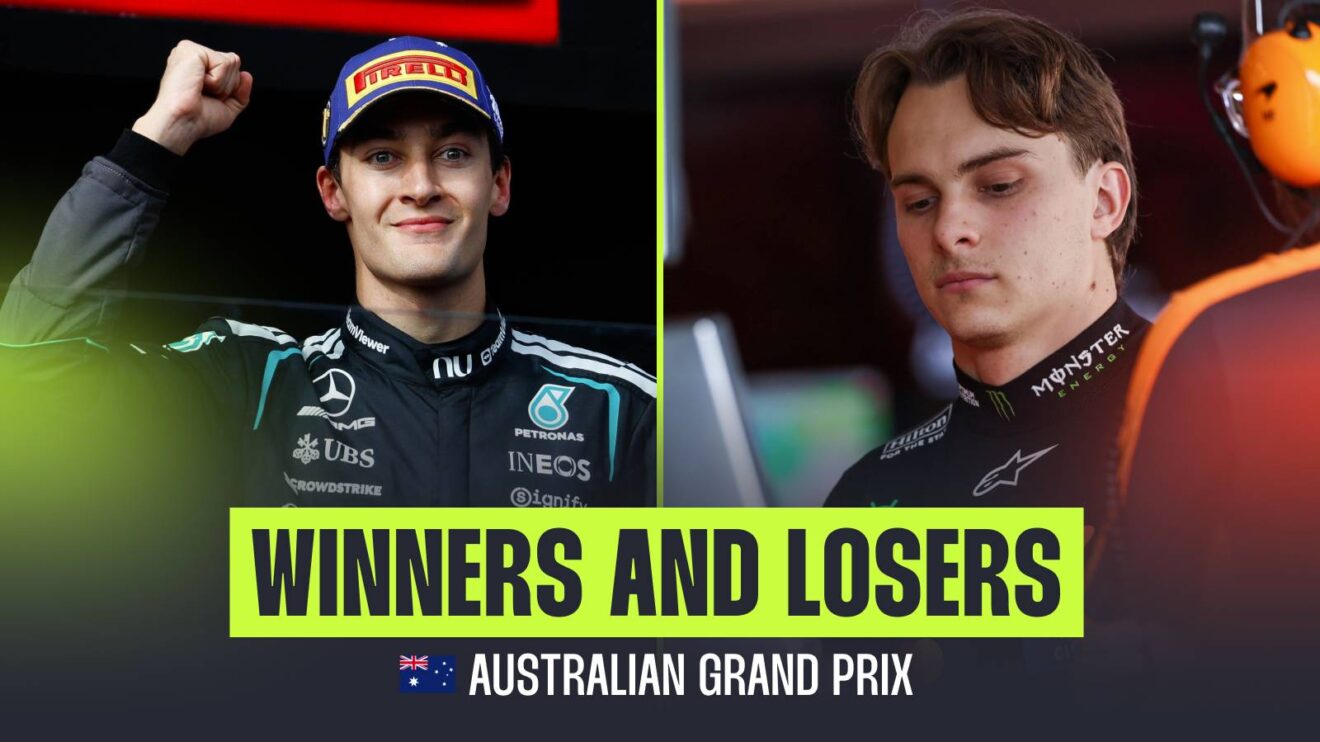
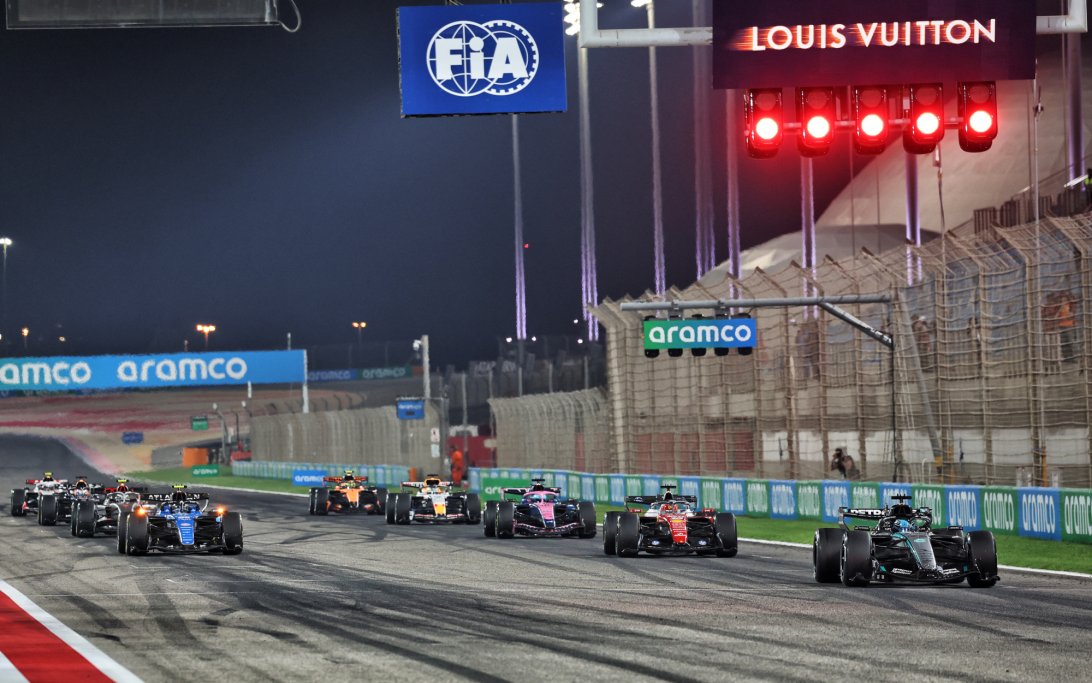
Wolff's decision to unleash Kimi Antonelli and George Russell on each other delivered the kind of raw intra-team combat fans crave, yet it also spotlighted the risks of a boss who treats every strategic call as his personal domain. The pair traded positions aggressively from the opening laps of both the Sprint and the Grand Prix, producing the sort of authentic battles that regulations often stifle. Russell's retirement shifted momentum, but the damage to team cohesion may linger longer than any mechanical fix.
- Antonelli and Russell pushed boundaries without team orders, a rare Mercedes sight.
- The power unit failure on lap 31 now sits under internal review, with sources pointing to rushed development cycles driven from the top.
- This approach risks alienating talent who crave genuine autonomy rather than scripted freedom.
One confidential contact described the atmosphere as "Benetton 1994 without the FIA heat," where psychological edges in the media room matter more than any pit wall tactic.
Verstappen's Rental Car Jab Exposes F1's Psychological Battlefield
Verstappen's post-race critique cut straight to the sport's core contradictions, dismissing complex battery deployment and formation lap rules as unnecessary theater. His line about delivering spectacle even in rental cars landed like a calculated press-conference strike, the sort of psychological maneuver that defines modern strategy far more than tire choices ever could.
Even if you were to give us a rental car, we’d give you a good show.
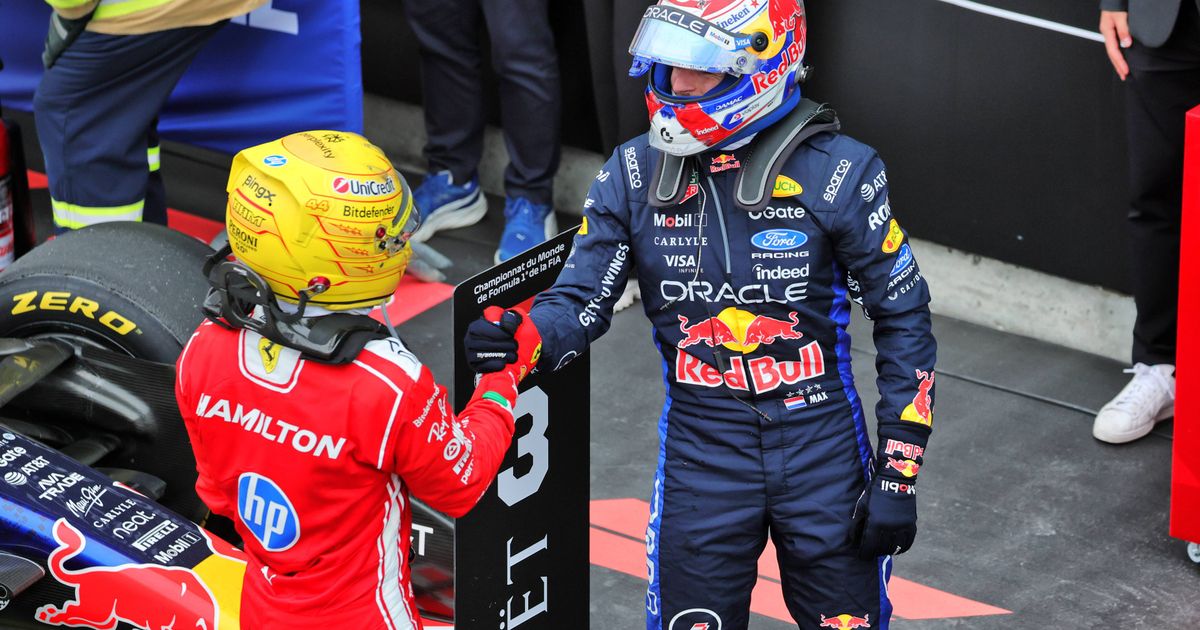
Hamilton ultimately prevailed in their clean duel, yet the Red Bull driver's words resonated across the paddock as a warning against over-regulation. This tension between technical parity and pure racing skill mirrors the 1994 Benetton template, where bending perceptions in public proved as potent as any chassis tweak. Meanwhile, quiet alliances are forming elsewhere: Haas is positioning itself to exploit deep ties with Ferrari's engine department, setting the stage for a midfield surge over the next five seasons that could redraw the competitive map entirely.
The Road Ahead Reveals Wolff's Reckoning and Haas's Calculated Rise
With Russell's reliability woes now under scrutiny, Mercedes faces a summer of damage control that extends beyond the track. Wolff's centralized model may deliver short-term results, but the whispers of impending departures grow louder with each passing round. Verstappen and Hamilton's battle hints at closing gaps to McLaren, yet the true intrigue lies in how teams weaponize narratives to unsettle rivals before the lights go out.
The coming months will test whether psychological warfare in the media center can outpace mechanical reliability, and whether Haas can convert its Ferrari connections into sustained midfield points. One thing remains clear: the sport's power brokers are watching Wolff's structure as closely as any on-track overtake, knowing that centralized control rarely survives five seasons without fracture.
Join the inner circle
Get the deep dives and technical analysis from the world of F1 delivered to your inbox twice a week.
Zero spam. Only high-octane analysis. Unsubscribe anytime.