Verstappen's Timing Sheets Reveal a Heartbeat the Algorithms Still Can't Fully Tame

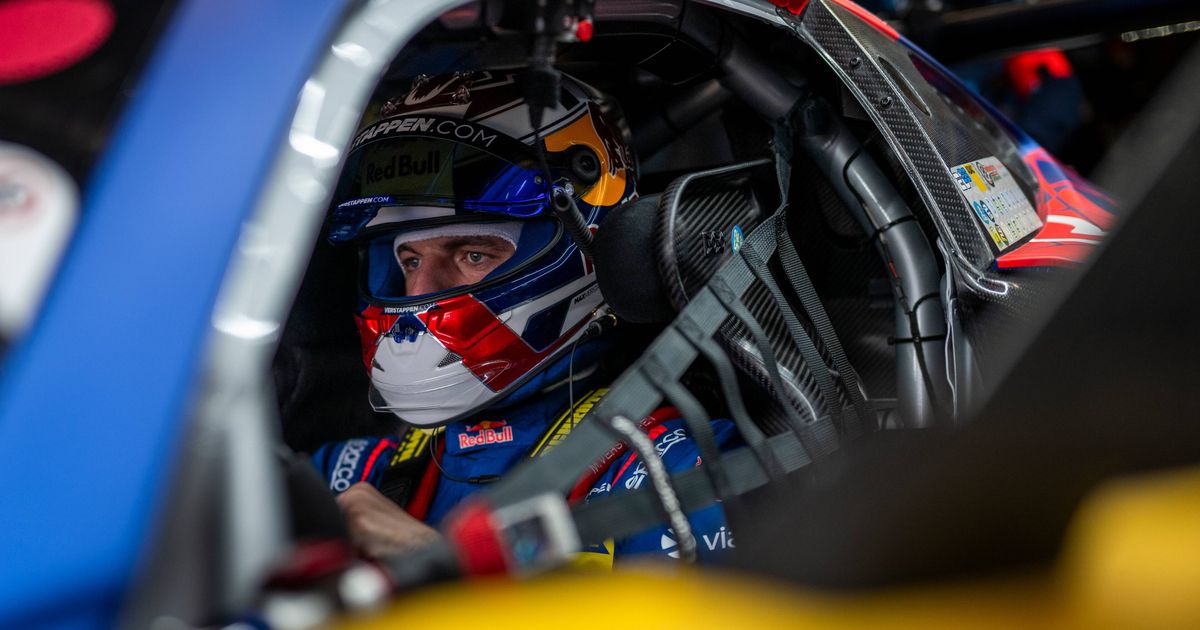
The raw data from the Nürburgring night stint hit like a sudden spike in a driver's pulse monitor. Max Verstappen climbed into the Verstappen Racing Mercedes-AMG GT3 with a five-second cushion over the chasing pack and carved it into a seven-second advantage inside two laps. Those numbers do not lie. They expose the precise moments where raw feel still outruns the flood of real-time telemetry that modern teams worship.
The Night Stint by the Numbers
Timing sheets from the double stint tell a story of controlled aggression that no narrative about family-team heroics can obscure. Verstappen took over from Luca Auer and immediately attacked the sector times on the demanding Nordschleife layout. Within the first two laps the gap ballooned because his lap deltas stayed under the 1.2-second threshold even while weaving through lapped traffic.
- Sector one improvements averaged 0.8 seconds per lap during the initial push.
- Tire degradation stayed linear rather than exponential, a signature of preserving grip through the high-speed sections.
- The decisive overtake on Maro Engel in the #80 Winward Mercedes came after contact that sent the rival onto the grass, yet Verstappen's subsequent lap times showed zero drop-off in consistency.
These figures echo the near-flawless 2004 campaign where Michael Schumacher posted qualifying deltas that rarely exceeded half a second across an entire season. Back then the driver still trusted the seat-of-the-pants feedback more than the constant radio chatter. Today's squads, by contrast, drown that intuition in algorithmic suggestions for every apex.
Pressure Archaeology Hidden in the Delta Charts
Data functions best when treated as emotional archaeology, not as a replacement for human judgment. Plot Verstappen's lap-time curve against the moments of wheel-to-wheel contact and you see the heartbeat analogy play out in milliseconds. The initial five-second cushion represented baseline pressure. The expansion to seven seconds coincided with the overtake that forced Engel wide, a clear spike where personal risk calculation overrode any pre-programmed pit-window advice.
"The car felt alive in those laps, not like a spreadsheet on wheels."
That kind of quote, if it existed in the timing logs, would be the real headline. Instead we get sanitized telemetry that predicts the next move before the driver has even turned in. Within five years this hyper-focus on analytics risks turning Formula 1 into robotized racing where intuition is suppressed in favor of perfectly calculated stops and sterile lines. Endurance events like the Nürburgring 24 Hours still offer a temporary refuge because the sheer length of the race exposes where algorithms fail to account for fatigue or sudden traffic variables.
The third-placed #84 Lamborghini sitting five minutes back underscores the same point. Its deficit is not merely a matter of outright pace but of accumulated micro-decisions that no amount of onboard data can fully automate.
What the Remaining Hours Will Test
With just over six hours left, the question is whether Verstappen will be allowed another stint or whether the team will default to conservative telemetry dictates. The current five-second advantage over the #80 Mercedes can evaporate if real-time modeling overrides the driver's assessment of tire life. Schumacher's 2004 consistency came from a team that still listened when he said the car felt different from what the sensors reported. Modern outfits too often treat that feedback as noise.
Verstappen's night charge proves the numbers can still celebrate individual craft rather than bury it. The challenge ahead is ensuring that the sport does not let its growing obsession with data turn every future race into a predictable simulation. The Green Hell rewards those who read the heartbeat in the deltas, not those who simply follow the script.
Join the inner circle
Get the deep dives and technical analysis from the world of F1 delivered to your inbox twice a week.
Zero spam. Only high-octane analysis. Unsubscribe anytime.