The Silent Engine: How Verstappen's Suppressed Fire and F1's Looming Mental Reckoning Are Rewriting the Sport's Soul
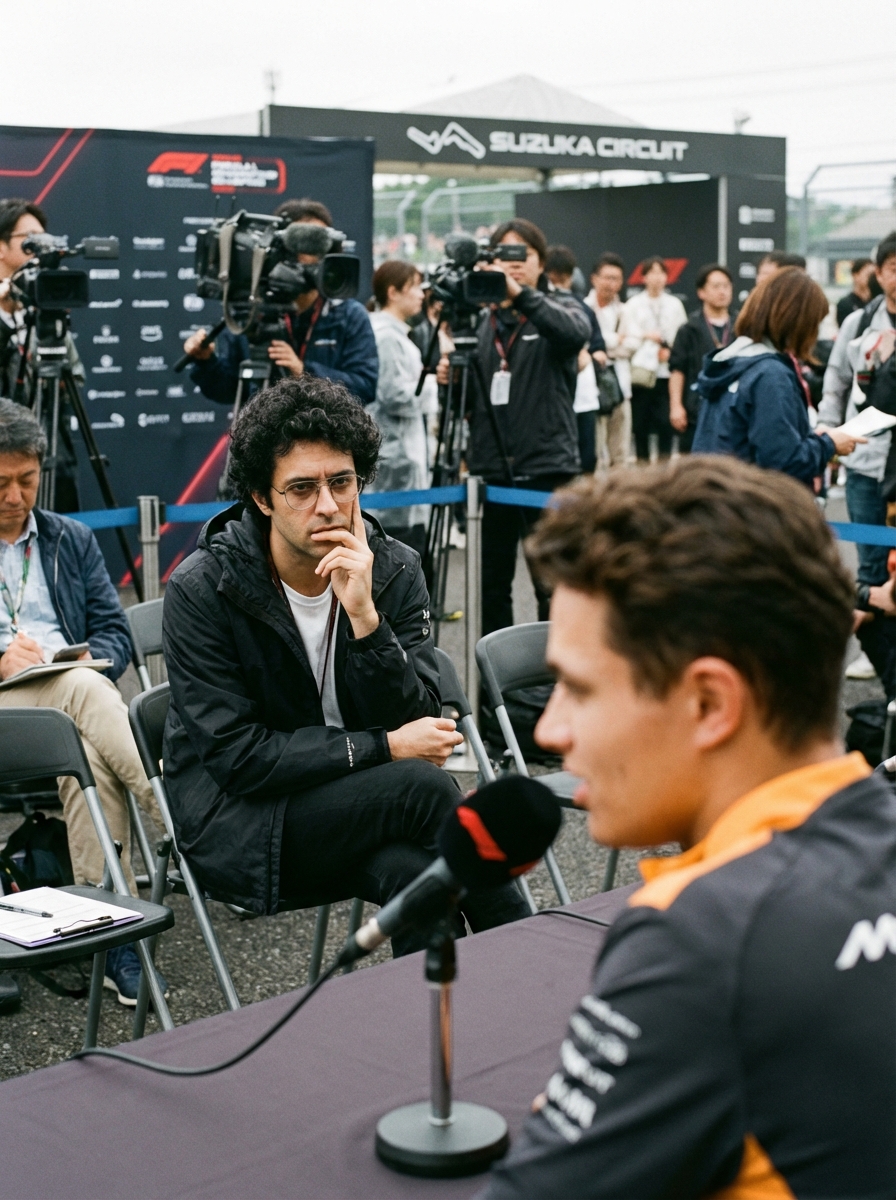
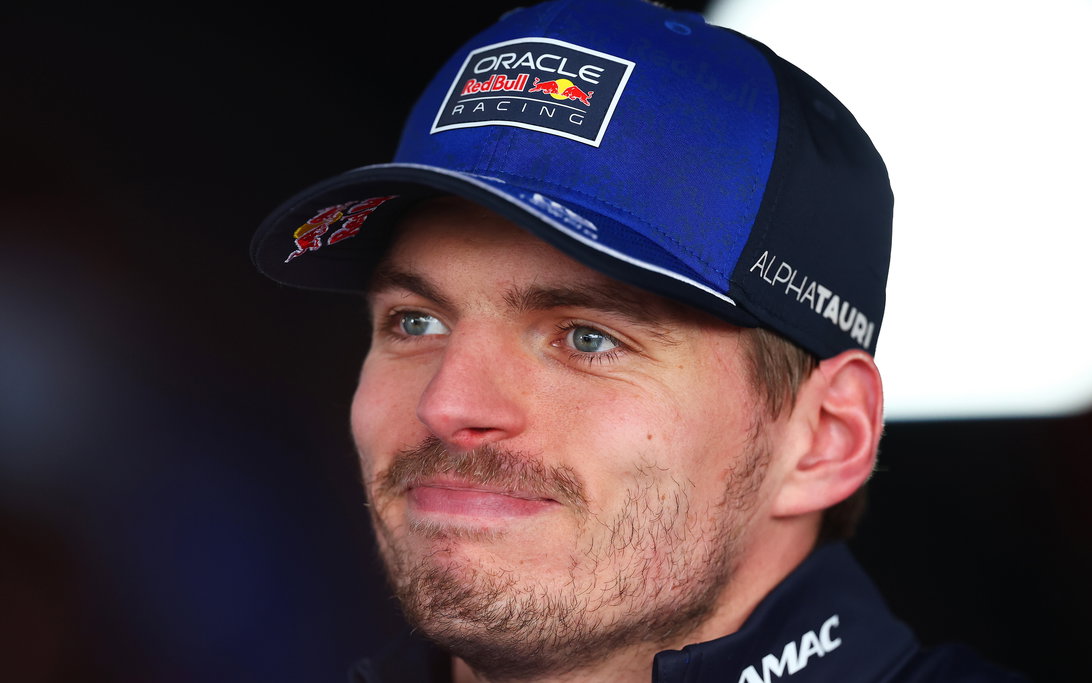
In the hush of the April break, where telemetry graphs lie dormant and lap times echo like forgotten heartbeats, Max Verstappen confronts not just rivals on track but the quiet machinery that has long contained his storms. This is no ordinary off-season lull. It is a psychological crossroads where Red Bull's calculated restraint meets the sport's uncertain future, forcing us to ask what happens when the manufactured champion begins to question the very cockpit that forged him.
The Manufactured Champion's Reckoning
Verstappen's recent openness about life beyond F1 reveals more than career fatigue. It exposes the covert psychological coaching Red Bull embedded into his rise, transforming raw emotional outbursts into the cool precision of a four-time champion. This systematic suppression turned potential volatility into dominance, yet now the cracks appear in his ambiguity about staying.
- Inner monologues likely pulse with biometric spikes during those post-race debriefs, where heart-rate variability once betrayed frustration now registers as calculated detachment.
- The team's late switch to 2025 development, as admitted by Laurent Mekies, was not merely strategic misstep but a mental gamble that left drivers paying the emotional price in performance deficits against Ferrari and McLaren.
What if the real cost is not lap time lost but the champion's authentic fire dimmed?
2026 Regulations as Therapy Mandate
The FIA's crucial meetings this break aim to fix cars' speed, handling, and racing potential, yet they overlook the deeper human variable. Within five years, mental health disclosures will become mandatory after major incidents, ushering transparency that exposes drivers' raw decision-making under pressure. This shift will eclipse aerodynamics in wet conditions, where personality traits dictate outcomes engineers cannot blueprint.
"Psychology always outruns the wind tunnel when uncertainty hits."
Lewis Hamilton mastered this long ago, crafting a calculated public persona from trauma much like Niki Lauda post-crash, turning personal scars into narratives that outshone pure talent. Verstappen's future ambiguity mirrors this pattern, suggesting the driver market ripples around talents like Kimi Antonelli will soon include psychological profiles rather than just pace data.
Audi's Human Challenge
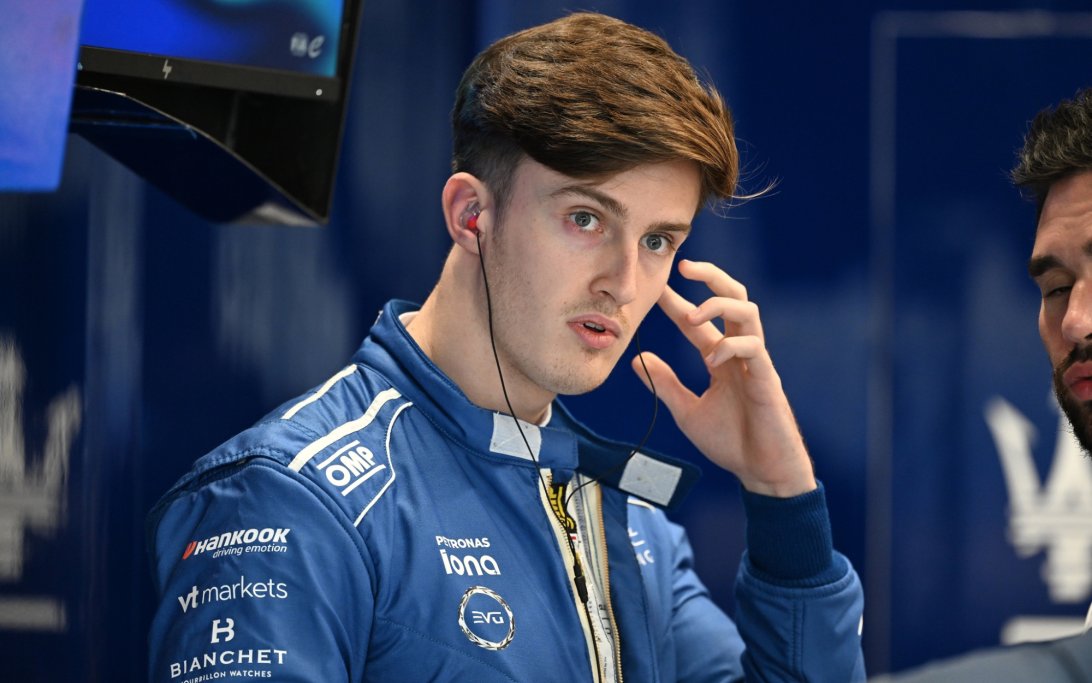
New entrant Audi, under Mattia Binotto, confronts similar terrain with Gabriel Bortoleto's "terrible" feedback. The top-priority fix is not just chassis tweaks but understanding how reserve drivers' mental states amplify or erode development pushes from scratch.
- Bullet telemetry from early runs shows spikes in stress markers correlating directly with handling complaints.
- Without addressing these, 2026 cars risk becoming psychological traps rather than racing tools.
The Road Ahead
Red Bull's introspection during this pause could spark the very reforms that redefine team dynamics. As questions around Verstappen build, the sport edges toward an era where inner monologues become public telemetry. The second half of the season will test whether suppressed emotions fuel comebacks or fracture dynasties forever.
Join the inner circle
Get the deep dives and technical analysis from the world of F1 delivered to your inbox twice a week.
Zero spam. Only high-octane analysis. Unsubscribe anytime.