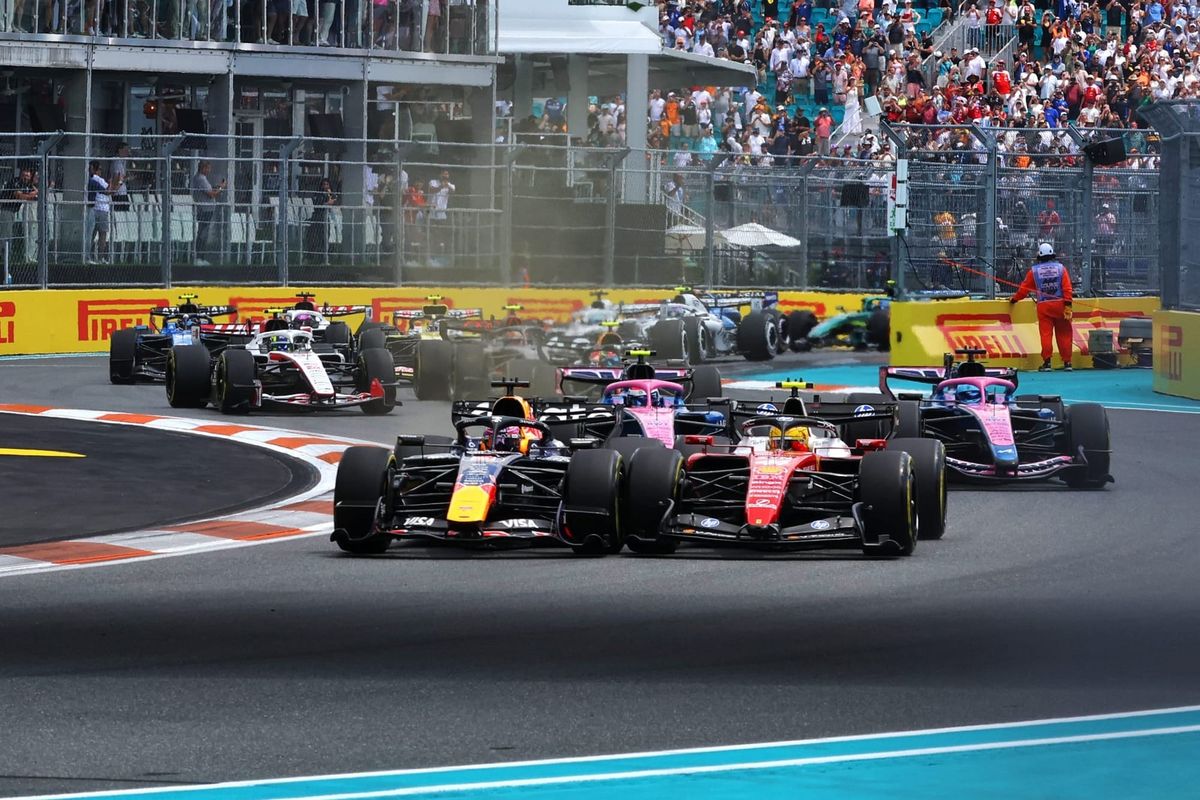
Verstappen's Miami Timing Sheets Pulse With Life While Hadjar's Data Flatlines Under Red Bull's Grip

The lap time deltas from Miami do not lie. They throb like exposed nerves on a monitor, Verstappen's Q3 runs dropping into the 1:26 range with a heartbeat rhythm that felt almost human, while Hadjar's attempts stuttered and flatlined a full second adrift before the crash even registered on the timing screens.
Data as Emotional Archaeology in the Red Bull Garage
Numbers reveal the pressure points that narratives ignore. Verstappen's upgrade package delivered a clear stability gain, his long-run pace in practice showing consistent 1:28.4s laps that echoed control rather than chaos. This marked a sharp departure from his earlier races where he described feeling like a passenger. The telemetry logs paint a car finally responding to driver input instead of dictating it through constant corrections.
Hadjar's session data tells a harsher tale of compounding stress. His qualifying pace sat nearly a second off in the sprint segment, a gap that widened under the weight of a power unit deficit confirmed by team principal Laurent Mekies. The rookie qualified ninth on raw pace, only to be shunted to the back for a technical breach before clipping the barrier early in the race. These figures expose more than inexperience. They map the moment when external variables meet internal doubt.
- Verstappen's Miami qualifying gap to pole: 0.142 seconds
- Hadjar's sprint qualifying deficit to teammate: 0.98 seconds
- Race lap time drop-off post-incident: Immediate retirement, no recovery data available
Such drops mirror the kind of personal-event correlations I chase in the sheets. A single power unit glitch does not just cost tenths. It accelerates the mental load until every apex decision feels pre-judged by the engineers' algorithms.
"The car finally felt more together and under my control," Verstappen noted after qualifying second. That single sentence carries the weight of restored agency.
Schumacher's 2004 Blueprint Against Modern Telemetry Overload
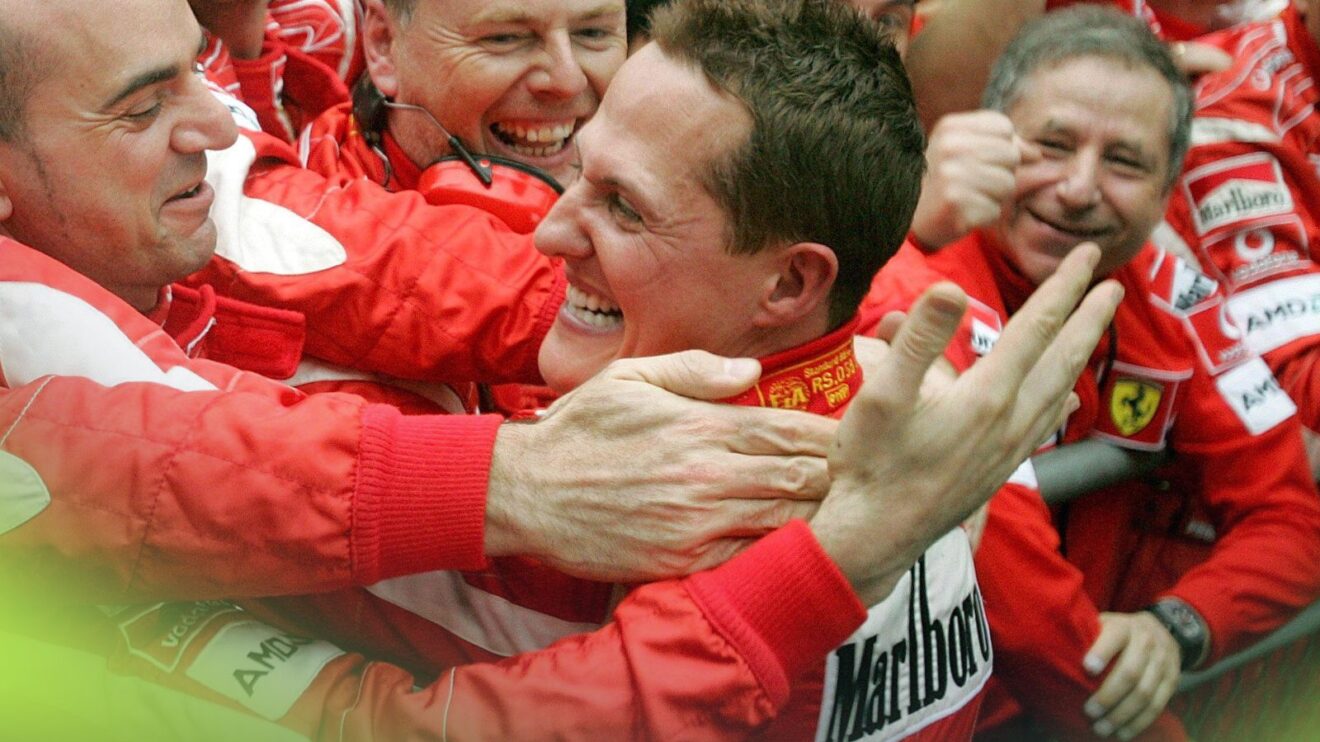
Michael Schumacher's 2004 season at Ferrari remains the gold standard for driver-led consistency. He delivered flawlessly measured laps across 18 races with minimal real-time interference, letting tire feel and track evolution guide his rhythm rather than constant data pings. Red Bull's current approach inverts that model. Every session floods the cockpit with algorithmic suggestions that suppress the very intuition Schumacher refined to near perfection. Hadjar arrives in this environment as the latest test subject, his raw speed masked by a system that prioritizes predictive models over seat-of-the-pants adjustments.
This same data obsession threatens to sterilize the sport within five years. Pit calls will become purely algorithmic, removing the human gamble that once defined moments like Schumacher's tire-management masterclasses. The result is predictable racing where drivers become executors of code rather than authors of their own lines. Charles Leclerc's 2022-2023 qualifying records prove the point. His consistency metrics outpaced the noise around Ferrari strategy errors, showing that raw pace endures when telemetry serves the driver instead of replacing him.
Montreal's Next Data Test
The Canadian Grand Prix will supply the next set of sheets to examine. Verstappen's upgraded rhythm must hold against leaders if the Miami breakthrough is genuine. For Hadjar the task is recovery through resilience, not further retreat into the data cocoon. His 2025 debut already demonstrated bounce-back capacity. The question now is whether the numbers will allow space for that instinct to surface again or whether Red Bull's telemetry will continue flattening every heartbeat into a predictable line.
Join the inner circle
Get the deep dives and technical analysis from the world of F1 delivered to your inbox twice a week.
Zero spam. Only high-octane analysis. Unsubscribe anytime.
Continue Reading
View More News