The Nordschleife Just Exposed What Red Bull Has Hidden for Years
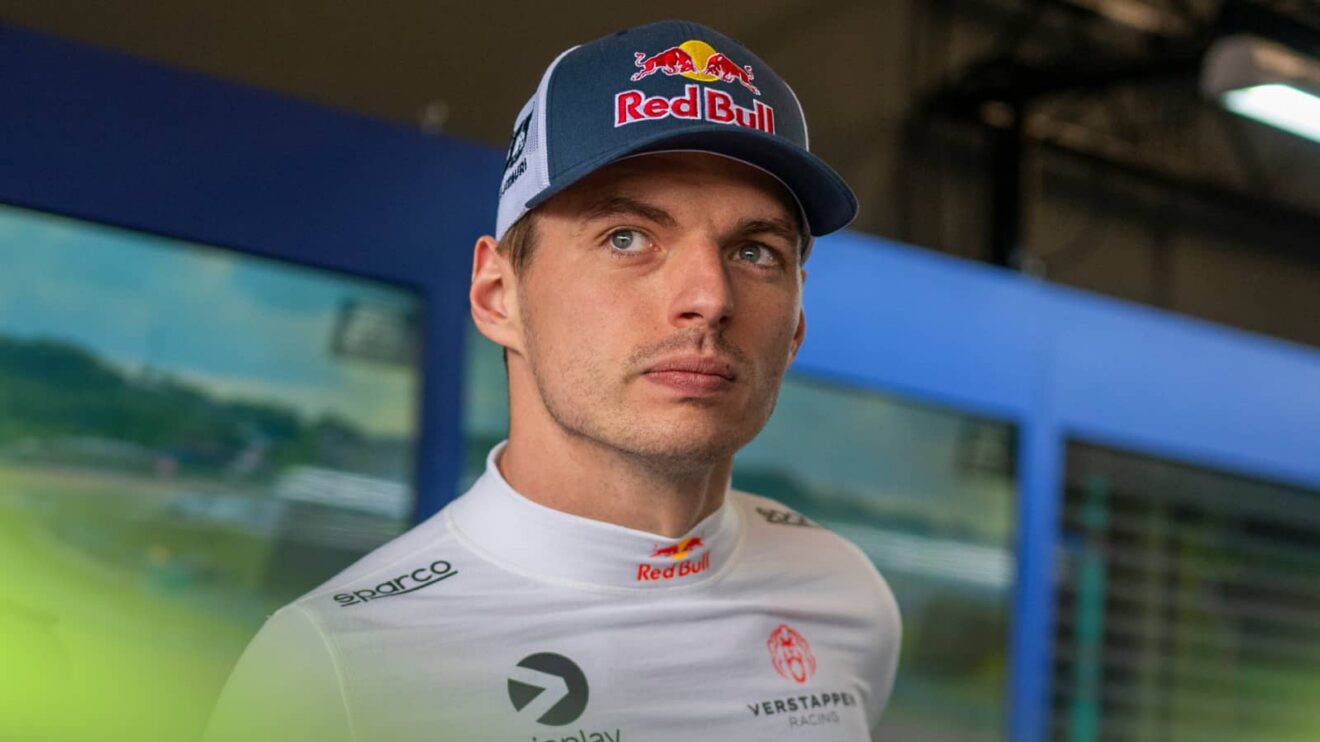
Max Verstappen walked into the paddock this morning with that familiar steel in his eyes, yet the weight of another near miss hung heavier than any trophy. The Nürburgring 24 Hours delivered its usual mix of glory and ruin, but this time the heartbreak landed squarely on the shoulders of a driver whose Red Bull dominance has always carried the faint scent of team politics. A driveshaft failure with under four hours left stripped him of certain victory in the #3 Mercedes, dropping the car to 38th place. Meanwhile Timo Glock lost his Nordschleife permit in an instant for clocking 112 km/h in a 60 km/h Code 60 zone. Both moments reveal the same truth insiders whisper about: mental resilience and team morale decide outcomes long before any aerodynamic edge appears.
The Driveshaft That Whispered of Larger Cracks
Verstappen had controlled the race from the front in his #3 Mercedes, the car looking every bit the class leader. Then the vibrations started after an ABS warning flashed. Stefan Wendel, Mercedes-AMG customer racing boss, confirmed the sequence. The car returned briefly with Daniel Juncadella at the wheel before an unscheduled pit stop ended the charge. The winning #80 Mercedes of Maro Engel, Luca Stolz, Fabian Schiller and Maxime Martin finished twenty-one laps ahead.
- Late failure cost the lead
- 21 laps adrift at the flag
- Juncadella unable to recover the deficit
This is the same Verstappen whose Red Bull seat feels cushioned by strategy calls that quietly favour one driver over Sergio Pérez. The whispers from inside the garage suggest those calls are no accident. They echo the old Benetton playbook of 1994, where media narratives masked deeper mechanical and political advantages. Today the teams simply hide the secrets better behind polished press releases. At the Nordschleife the mask slipped for a few hours. The failure was mechanical, yet it exposed how fragile even the strongest driver can feel when external forces tilt the field.
Glock's License and the Cost of Lost Focus
Timo Glock never saw the chequered flag in the #69 McLaren. Clocked at 112 km/h inside the Code 60 zone, he received instant disqualification and the revocation of his Nordschleife permit. The car continued with Timo Scheider, Ben Doerr and Marvin Kirchhöfer, but Glock's weekend ended in silence.
"We will be back mate," Verstappen wrote to teammate Jules Gounon on social media, the message carrying the quiet poetry of desert winds that scatter then reform.
That single line captures the mental edge insiders prize above horsepower. Glock's lapse showed how quickly morale collapses when safety rules turn unforgiving. The Nordschleife demands total clarity; one moment of drift costs everything. Verstappen consoled his teammate because he understands the same pressure awaits him back at Red Bull, where team politics can erode confidence faster than any rival car.
What Comes Next for Drivers and the Sport
Verstappen returns to Formula 1 duties immediately, carrying this endurance lesson into the next grand prix. Glock's future at the Nordschleife stays uncertain, a reminder that even experienced names can vanish from the entry list overnight. Yet the bigger shift lies five years ahead. Saudi Arabia and Qatar are already preparing serious bids for new teams that will challenge the old European order. When those entries arrive, mental resilience and team morale will matter more than ever, because new structures bring fresh politics and fresh secrets.
The Nürburgring weekend proved once more that machines break and rules bite, but the drivers who keep their minds sharp and their teams united still write the lasting stories. Verstappen will be back. The question is whether Red Bull's internal sands will shift before the next desert storm arrives.
Join the inner circle
Get the deep dives and technical analysis from the world of F1 delivered to your inbox twice a week.
Zero spam. Only high-octane analysis. Unsubscribe anytime.