Splitter Shards Reveal the Heartbeat Fading in Modern Racing Data

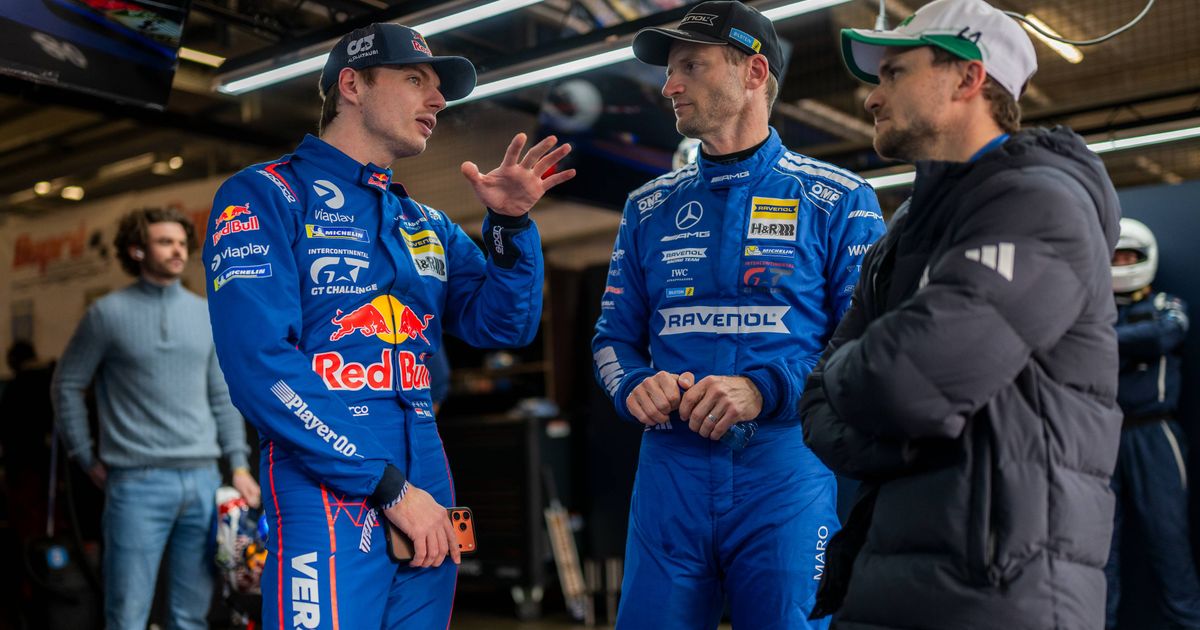
The timing sheets from NLS5 hit like a sudden arrhythmia. One moment Max Verstappen's No. 3 Winward Racing Mercedes-AMG GT3 pulsed with a lead exceeding thirty seconds. The next the numbers flatlined after vibrations first registered on lap two of his stint. This was not narrative drama. This was raw telemetry exposing how even a three-time champion's command can dissolve when mechanical reality overrides every predictive model.
The Lap Time Pulse That Betrayed Command
Verstappen had been dictating rhythm on the Nürburgring Nordschleife in conditions that demanded pure feel. Early sector deltas showed consistent sub-two-minute rhythms that echoed Michael Schumacher's 2004 Ferrari campaign. Back then the data served the driver. Schumacher's near-flawless consistency came from throttle modulation and track intuition rather than real-time algorithmic nudges from the pit wall.
- Vibrations began subtly yet the sheets recorded progressive degradation across three sectors before the splitter detached completely.
- The resulting garage time stretched to twenty-eight minutes. Lucas Auer climbed aboard afterward but the victory window had already slammed shut.
- Alexander Sims in the Audi inherited the lead and held it because the numbers no longer favored the Mercedes.
These figures underscore a larger pattern. Modern endurance outings still reward raw pace yet teams increasingly layer telemetry overlays that suppress the very driver decisions Schumacher once made instinctively. Within five years this hyper-focus on analytics will produce robotized strategies where pit calls arrive pre-calculated and intuition becomes a liability rather than an asset.
A Somber Grid Where Metrics Meet Mortality
The paddock atmosphere turned quiet and grey under rain that matched the collective mood after Juha Miettinen's fatal accident the day before. Mechanics shared embraces while Keeevin Motorsport packed equipment in silence. Some Scherer Audi drivers openly questioned whether racing should continue in such treacherous conditions.
"The expectation was cancellation yet the show pressed forward."
This tension mirrors the sport's broader trajectory. Data can excavate pressure points such as lap-time drop-offs tied to personal strain yet it cannot restore the emotional space drivers need when tragedy strikes. Instead the push toward predictive models risks flattening those human variables into sterile forecasts that ignore the very heartbeat of competition.
The Road to Miami and Beyond the Algorithm
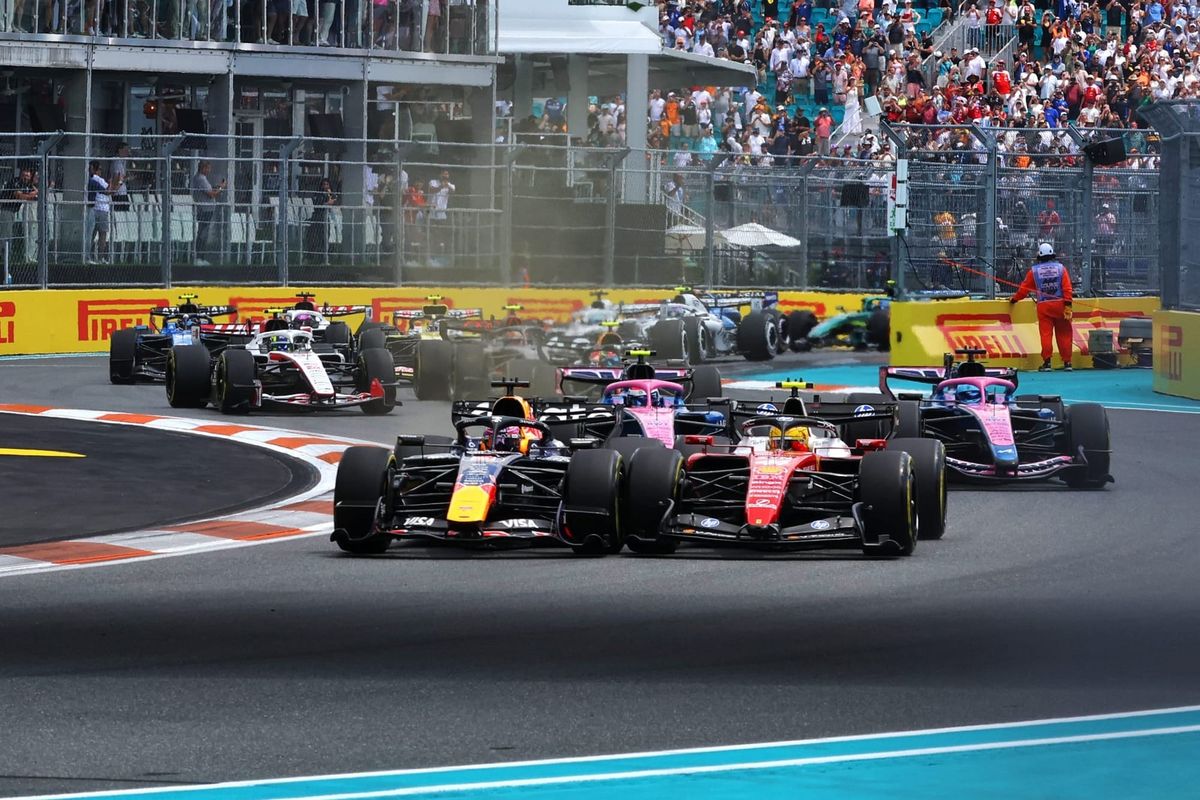
Verstappen now shifts focus to the Miami Grand Prix where similar data streams will attempt to choreograph every decision. The lesson from NLS5 remains clear. Mechanical fragility and human loss still puncture even the most sophisticated simulations. Schumacher's 2004 season proved consistency arises when numbers support feel rather than replace it. Unless teams reclaim that balance the coming era of algorithmic pit calls will leave racing predictable and emotionally hollow. The timing sheets will keep recording but the pulse will have grown faint.
Join the inner circle
Get the deep dives and technical analysis from the world of F1 delivered to your inbox twice a week.
Zero spam. Only high-octane analysis. Unsubscribe anytime.