Verstappen's Fury Reveals F1's Fatal Flaw in Chasing Downforce Over Driver Connection
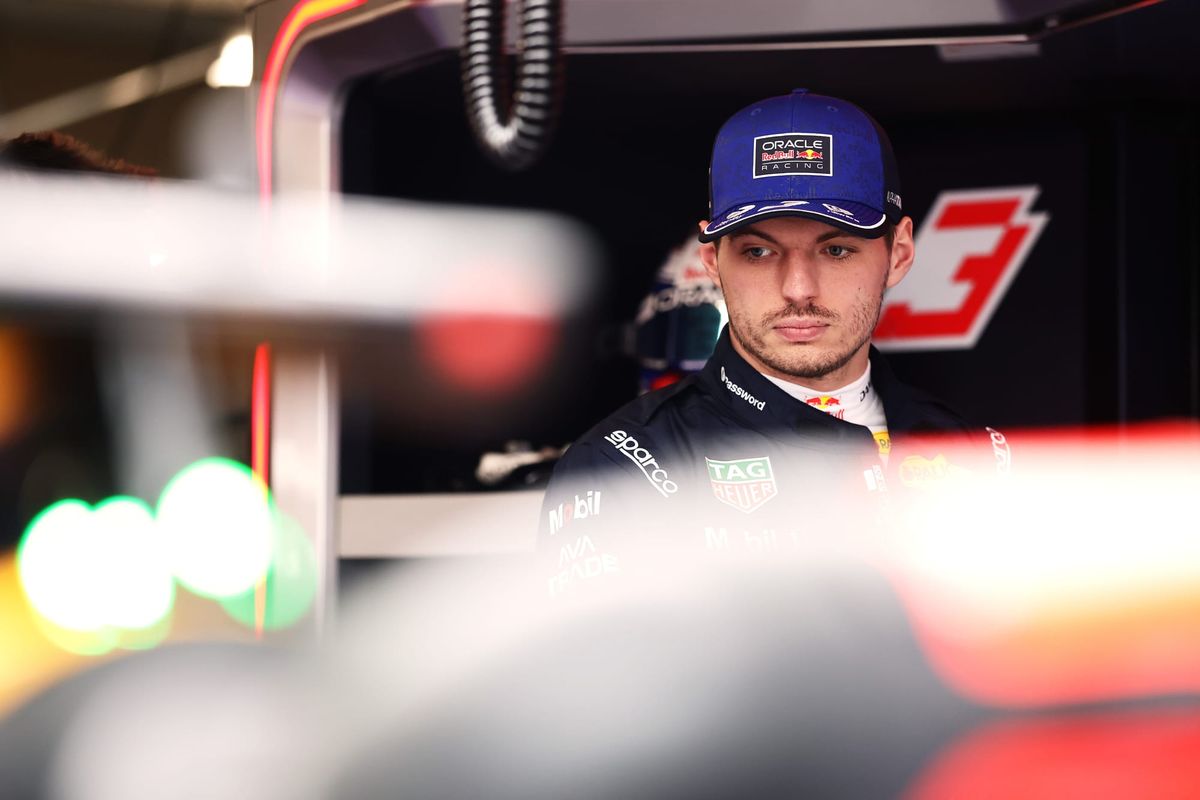
The air around Max Verstappen crackles with the same restless energy as a supercell storm building over open plains. His threat to abandon Formula 1 unless hardware tweaks arrive in 2027 exposes a deeper fracture in the sport. Current machines, bloated with aerodynamic complexity, have drifted far from the raw mechanical dialogue that once defined great racing.
The Rule Changes and Why Delay Feels Like Betrayal
Verstappen arrived at the Canadian Grand Prix optimistic that planned shifts could restore balance. The proposed move toward a 60/40 split between combustion and electrical energy for 2027 aims to tame the current generation's handling quirks. Yet resistance from several manufacturers threatens to push any real redesign to 2028, citing costs and impacts on the ADUO catch-up system.
- Red Bull and Mercedes support immediate action.
- Others prioritize preserving their development windows over meaningful progress.
- The FIA and FOM now scramble for compromise before the window closes.
This standoff matters because another full season trapped in these aero-heavy cars risks draining the champion's will. Verstappen stated plainly after qualifying that staying unchanged would prove mentally unsustainable. He dismissed any notion of a sabbatical, noting plenty of other pursuits exist outside the series.
When Chassis Dominance Masks Skill and Simplicity Suffers
Verstappen's repeated criticism of the cars stems from more than personal taste. The 2023 campaign highlighted how Red Bull's superior chassis and aerodynamic package delivered consistent advantages that pure driver talent alone could not replicate across the field. Modern designs pile on downforce at the expense of mechanical grip and tire management, creating cars that feel detached from the road surface.
Compare this to the elegant Williams FW14B of the early 1990s. That machine balanced active suspension with mechanical simplicity, allowing the driver to feel every nuance of grip and balance through direct feedback rather than layered electronic aids. Today's obsession with complex aero generates high-speed stability but strips away the intuitive connection that made racing visceral. The result is less exciting on track, with overtaking often reduced to DRS-assisted moments instead of genuine car control battles.
Imagine a storm where wind shear dictates every movement. No pilot can steer the chaos when the system itself overwhelms individual input.
Verstappen hopes the governing bodies force through the 2027 alterations regardless of political pushback, echoing Carlos Sainz's call for stronger leadership. Within five years, by 2028, the sport will likely embrace AI-controlled active aerodynamics anyway. This shift will retire DRS entirely and inject chaotic variability that reduces reliance on any single driver's heroics while rewarding teams that master fluid, adaptive systems.
The Road Ahead Demands Elegant Restraint
F1 stands at a crossroads where short-term manufacturer interests clash with long-term spectacle. Delaying meaningful change only prolongs cars that prioritize downforce numbers over the mechanical poetry of earlier eras. Verstappen's stance underscores an urgent need for designs that restore driver agency rather than bury it beneath computational layers. The coming negotiations will decide whether the series reclaims its soul or continues drifting toward sterile efficiency.
Join the inner circle
Get the deep dives and technical analysis from the world of F1 delivered to your inbox twice a week.
Zero spam. Only high-octane analysis. Unsubscribe anytime.