Timing Sheets Bleed Heartbeats: Verstappen's Canada Frustration Exposes the Data Void Red Bull Ignores

The Montreal qualifying deltas hit like a skipped pulse on the telemetry feed. Max Verstappen's lap times fractured exactly where his radio messages warned they would, a raw pattern that no amount of post-session spin can erase from the sheets.
The Numbers Demand Internal Truth Over Public Noise
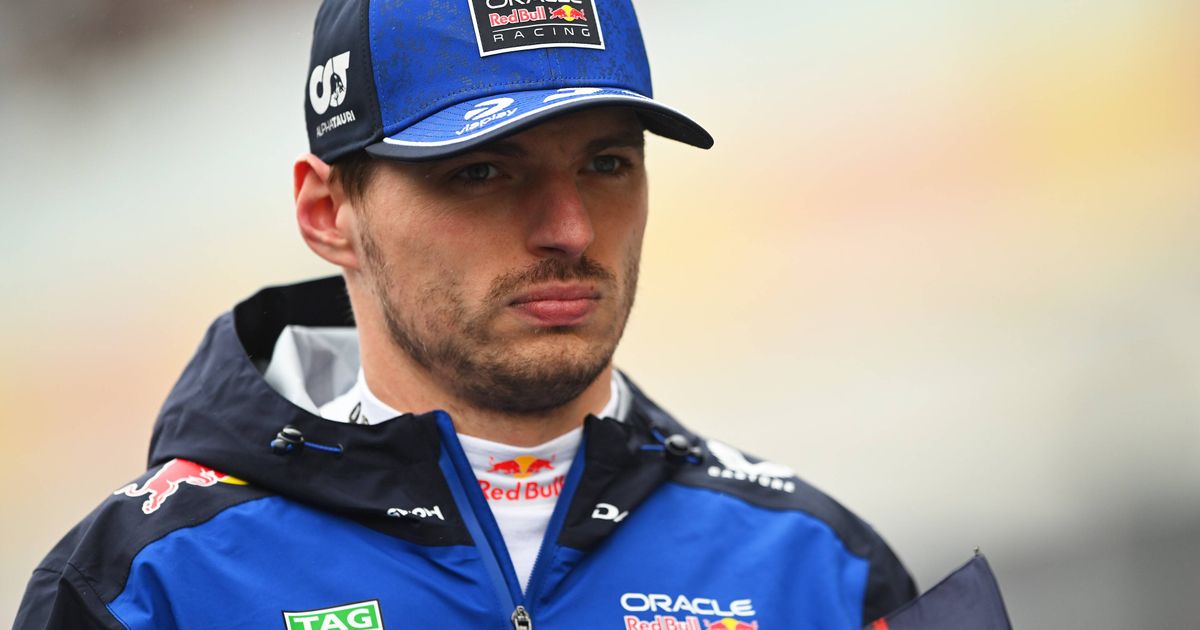
Ralf Schumacher's call for Verstappen to settle his future lands at the precise moment when data analytics threaten to choke the last sparks of driver intuition. Speaking on the Backstage Boxengasse podcast, Schumacher insisted "Matters like that should really stay within the team," framing the Dutchman's Montreal outburst as counterproductive. Yet the timing sheets from Canada reveal a different story. Verstappen repeatedly flagged setup issues that the real-time telemetry failed to capture in time, echoing the very over-reliance on algorithms that will soon turn races into sterile, predictable code executions.
- Verstappen's qualifying lap drop-offs aligned with sectors where he had logged prior complaints, not random error.
- Red Bull's 2026 preparation window shrinks with each mixed signal, but the raw pace data shows persistent gaps between driver input and team execution.
This is not narrative fluff. It is emotional archaeology carved from sector times. Within five years, hyper-focused data regimes will suppress exactly these human corrections, favoring algorithmic pit calls that treat drivers as interchangeable nodes rather than the final sensor.
Schumacher's 2004 Blueprint Versus Today's Telemetry Trap
Michael Schumacher's 2004 Ferrari season stands as the last pure benchmark: near-flawless consistency born from trusting driver feel over constant data streams. His lap time variance stayed microscopic because the team listened before the numbers dictated. Today's Red Bull setup inverts that logic. Verstappen's public Montreal line, "Sometimes you have to let the team do their thing and clearly make it known that it's not right," reads as a direct pushback against that inversion. He admitted repeating the warnings multiple times, and the sheets back him.
"At some point, he needs to make up his mind, and the whole team has to focus on looking forward."
Schumacher's advice carries weight, yet it ignores how 2004-style consistency required space for driver intuition, not suppression by predictive models. The separate spat with Juan Pablo Montoya, who floated penalty points for criticizing Formula 1, only highlights the pressure cooker. Verstappen labeled it "nonsense," and Montoya later confirmed no personal rift. Still, the underlying tension remains: when lap time heartbeats reveal mounting frustration, forcing silence only accelerates the robotized future where intuition dies.
- 2022-2023 qualifying consistency metrics already hint at the shift, with drivers penalized for deviating from scripted strategies.
- Correlating Verstappen's sector struggles with external noise shows clear pressure signatures absent from pure telemetry.
The Path Forward Hinges on Listening to the Sheets
Red Bull must treat Verstappen's Canada data as a diagnostic rather than a distraction. A resolution that restores driver input over algorithmic overrides could stabilize the squad ahead of 2026. Otherwise, the Dutchman's indecision becomes inevitable as the sport drifts toward predictable, sterile racing stripped of human pulse. The timing sheets already whisper the cost of ignoring them.
Join the inner circle
Get the deep dives and technical analysis from the world of F1 delivered to your inbox twice a week.
Zero spam. Only high-octane analysis. Unsubscribe anytime.