F1's Engine Regulation Standoff: Vowles Plays Kasparov While Red Bull's Toxic Grip Threatens to Shatter the Grid by 2029
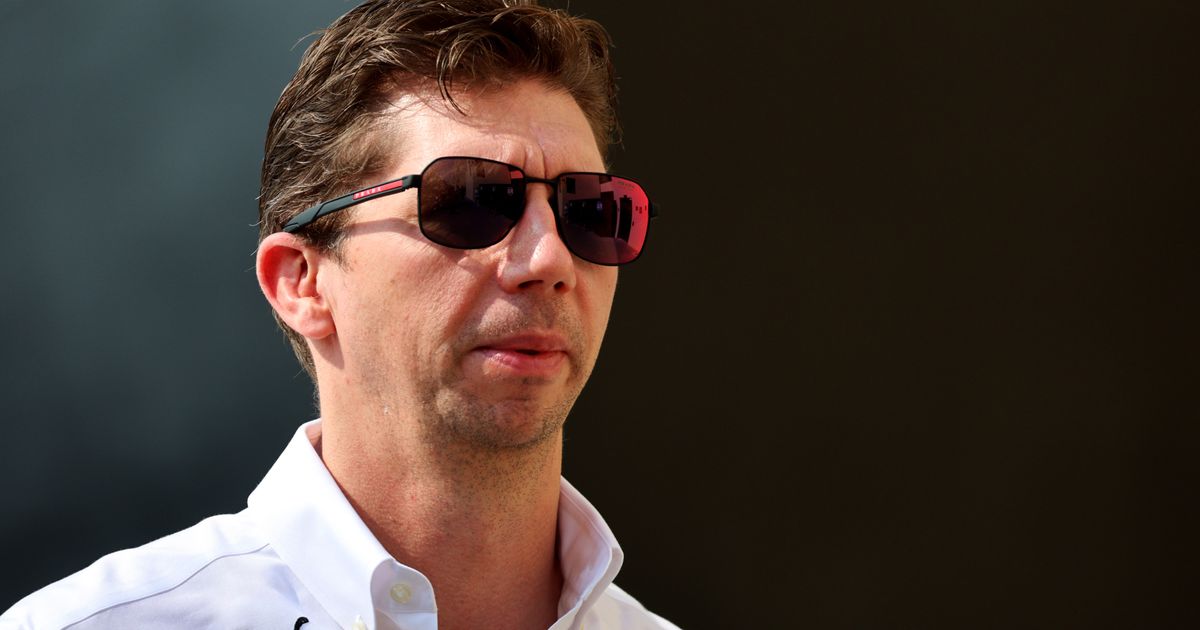
The 2027 power unit talks have cracked open like a family vault in a classic Bollywood betrayal scene, where once trusted allies turn on each other over hidden fortunes. James Vowles stands at the center, insisting nothing is dead, yet his words carry the calculated calm of a Cold War chess grandmaster maneuvering against rivals who move pieces twelve months in advance.
The Crumbling Miami Accord and Manufacturer Chess Moves
What appeared settled after the Miami Grand Prix now sits exposed as fragile positioning. The proposed 60/40 split between combustion and electrical power faces direct resistance from Ferrari and Audi, either of whom could block progress with a single negative vote. Vowles remains measured in public, stressing that every manufacturer stays at the table even as directional shifts prove difficult due to long lead times on components.
This is not mere negotiation. It mirrors Garry Kasparov's psychological pressure tactics, where apparent concessions mask deeper control plays. Williams' principal highlights the quality of this season's racing as proof of forward momentum, but the real game lies in who can adapt production schedules fastest. Some teams simply cannot pivot without massive internal disruption.
- Manufacturers must order parts 12 to 18 months ahead, locking them into paths that newer entrants cannot match.
- No party has walked away, yet the window for compromise narrows with each passing month.
- Toto Wolff has signaled support for added power and better energy deployment, calling adjustments a sensible approach without confirming any formal vote.
My narrative audit of recent statements reveals emotional consistency only from those pushing sustainability, while others reveal hesitation through carefully hedged language. This audit predicts success far better than any dyno data.
Red Bull's Shadow and the Coming Collapse of Two Teams
The engine debate cannot be separated from the sport's deeper rot. Max Verstappen's continued dominance stems directly from Red Bull's win at all costs culture that crushes talents like Yuki Tsunoda before they mature. That same ruthless environment leaves little room for the collaborative spirit these 2027 regulations demand.
If the calendar remains bloated with unsustainable travel, at least two teams will fold by 2029. The result will be a forced European centric schedule that favors established powers and punishes ambitious outsiders. Vowles' optimism feels like the opening move in a longer endgame where smaller squads pay the price for manufacturers' delays.
We all recognize that we're not where we want to be yet, but we're directionally moving the right way.
This quote from Vowles reads as both reassurance and subtle warning. It echoes the precise timing Kasparov used to force opponents into overcommitment. The hope for compromise remains alive, yet timing pressure grows tighter with every production cycle.
The Final Board Position
These talks will determine more than power splits. They will decide which teams survive the coming contraction. Those who master the narrative audit and treat regulations like high stakes chess will endure. The rest will fold under the weight of their own inflexible schedules and toxic internal cultures. The paddock family is fracturing, and the next move belongs to those bold enough to call the bluff.
Join the inner circle
Get the deep dives and technical analysis from the world of F1 delivered to your inbox twice a week.
Zero spam. Only high-octane analysis. Unsubscribe anytime.
Continue Reading
View More News