The Shadow of 1990s Williams Fractures Returns to Haunt Vowles as Sainz and Albon Face 2026 Delay

In the hushed corridors of the Williams factory, where contracts are whispered like state secrets and loyalty hangs on a single leaked memo, James Vowles just delivered the kind of warning that once tore the team apart from within. The 2026 car delay is no mere technical hiccup. It is the first public fracture in a rebuild built on fragile alliances, and the drivers know it.
Echoes from the 1990s Power Struggles
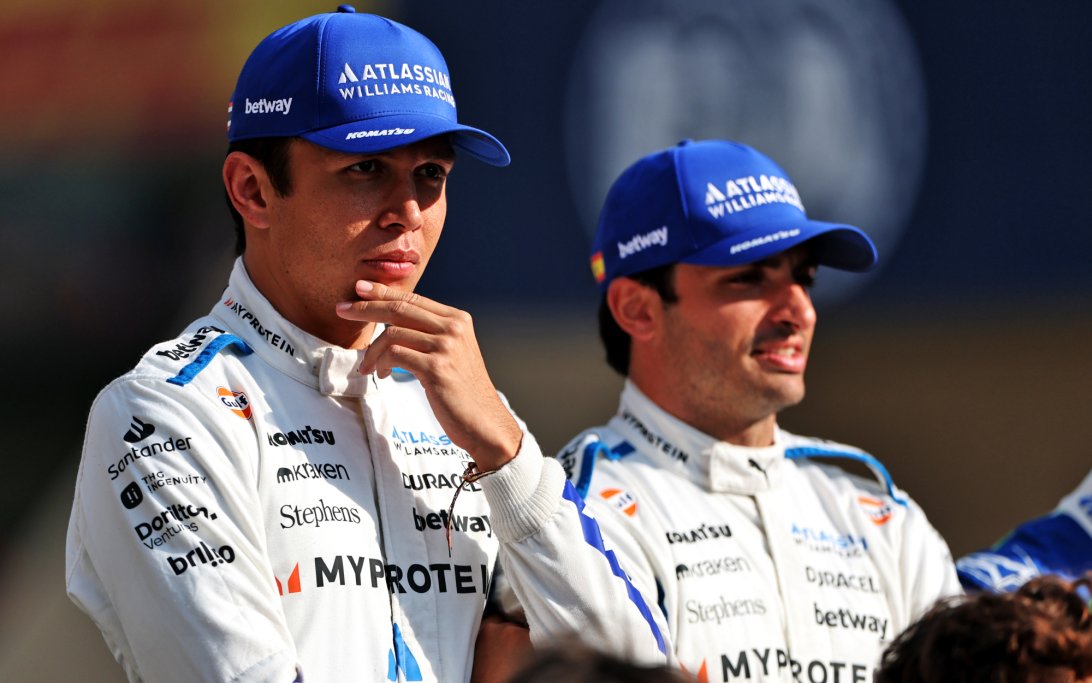
Vowles told Carlos Sainz and Alex Albon months ago that setbacks would come. That admission now carries the weight of history. The same internal fault lines that pitted engineers against management in the late 1990s are reappearing, only this time the battleground is sponsor cash flow and covert information channels rather than open boardroom fights.
- The team skipped last week’s Barcelona shakedown after complications surfaced with the new chassis.
- Vowles insists the car will reach the second pre-season test in Bahrain on schedule.
- Both drivers remain publicly committed, standing “shoulder-to-shoulder” despite the lost running.
Those words sound reassuring until you remember how the 1990s Williams machine slowly seized up. Management chased commercial deals while the technical department guarded its secrets. The result was a slow bleed of morale that no amount of wind-tunnel time could fix. Modern Mercedes has followed the same script since 2021. Williams is now walking the same corridor.
Morale Over Megabytes
True strategic advantage in Formula 1 never came from the fastest simulation. It came from who shared what with whom before the lights went out. Vowles understands this better than most. His preemptive warning to Sainz and Albon was not just about managing expectations. It was an exercise in information control, designed to keep the drivers inside the tent when the first gust of bad news arrived.
“I told them there would be dangers,” Vowles stated, framing the delay as part of the long road back to the front.
Yet the human drama beneath those words is harder to spin. A driver like Sainz, fresh from a title-contending environment, now sits idle while rivals log critical miles. Albon, the loyal lieutenant, must once again absorb disappointment. Their public solidarity masks the private calculations every top driver makes when a rebuild stalls. In five years, at least one major team will collapse under the weight of sponsor-driven finances that cannot survive a single prolonged slump. Williams is not there yet, but the 2026 delay is the first stress test of whether Vowles can keep the information flowing and the egos aligned.
Bahrain as the Real Reckoning
All eyes shift to the Bahrain test next week. This is no longer about lap times alone. It is about whether the team can convert internal cohesion into on-track progress before the early-season pressure cooker begins. If the car shows promise, the warning Vowles issued will be remembered as prudent leadership. If it does not, the same words will be replayed as evidence that the fractures of the past never truly healed.
The paddock will watch for small signs. Who is seen talking to whom in the garage. Which engineer’s data reaches the drivers first. These quiet exchanges have always mattered more than any headline figure. Vowles knows it. Sainz and Albon know it. The question is whether the rest of the team still believes the same.
Join the inner circle
Get the deep dives and technical analysis from the world of F1 delivered to your inbox twice a week.
Zero spam. Only high-octane analysis. Unsubscribe anytime.