Monaco's Lap Time Heartbeats Expose the Real Cost of Chasing Perfection

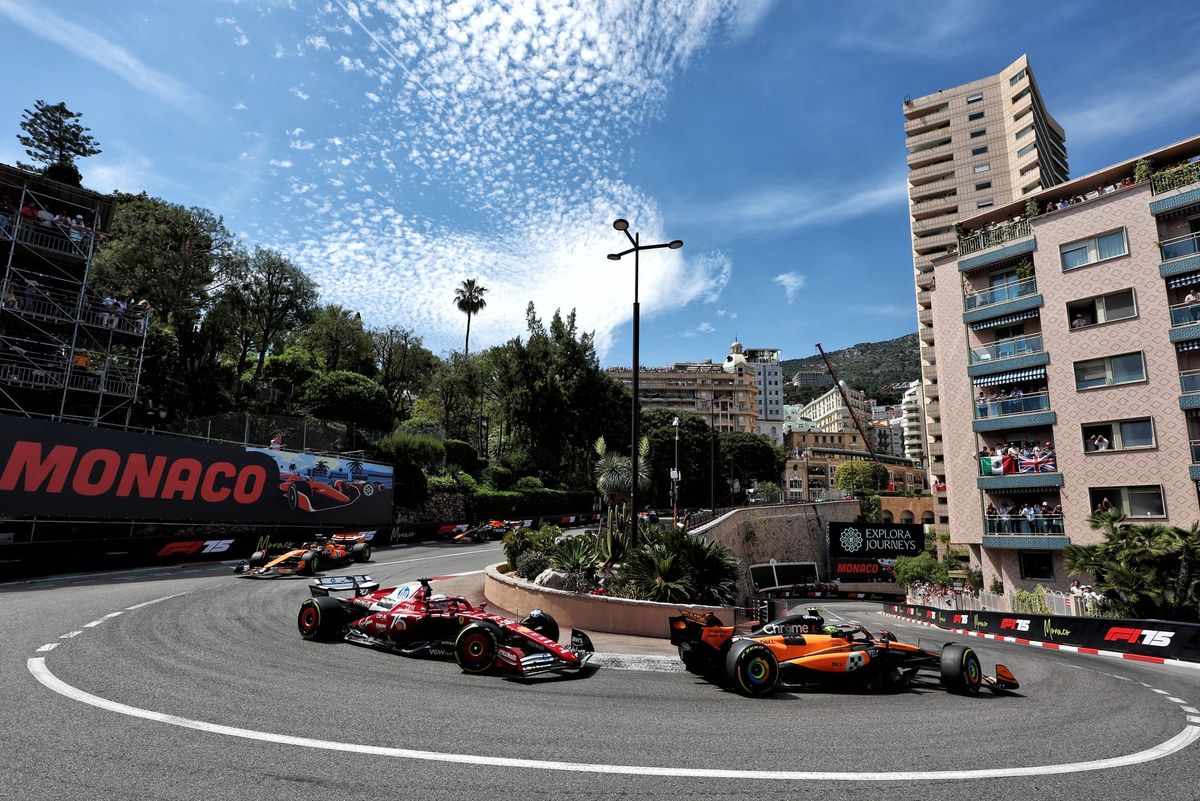
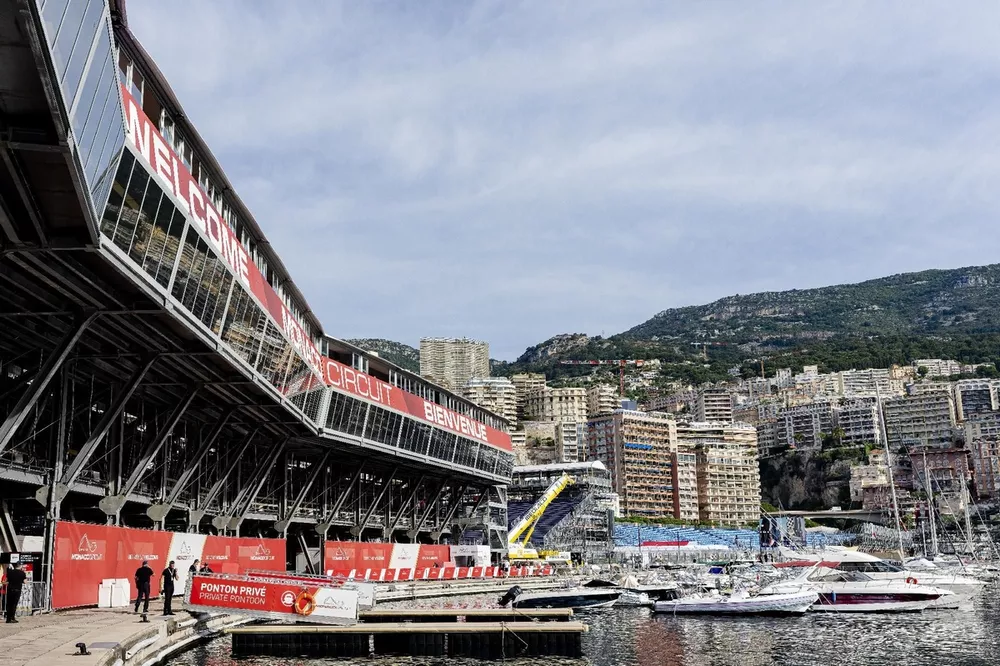
The timing sheets from Monaco never lie, and when I stare at the 2023 qualifying deltas, they pulse like erratic heart monitors under pressure. Will Buxton's defense of the Grand Prix lands with force precisely because it aligns with those raw numbers: the street circuit demands a level of commitment that turns every sector into an emotional excavation, not just another lap.
Qualifying Data as the True Trophy
Buxton's emphasis on qualifying as the event's core thrill matches what the telemetry reveals across decades. Drivers push to limits where a single misstep spikes repair costs into the millions, and the narrow layout leaves no margin for hesitation.
- Maximum commitment zones: Sector two's tunnel exit and the swimming pool complex show the steepest time drops when drivers exceed 98 percent throttle application.
- Error amplification: Historical sheets indicate that even minor lockups add 1.2 to 1.8 seconds, a gap that separates pole from mid-grid.
- Weather overlays: Sudden microclimate shifts from the hills introduce variables that no predictive model fully captures, turning dry runs into wet chaos within minutes.
This is where data serves its deepest role, unearthing stories of pressure rather than endorsing spectacle. The processional nature of the race itself stems from these same constraints, yet the prestige endures because precision here outweighs overtaking volume.
Schumacher's 2004 Blueprint Against Modern Telemetry Overload
Buxton rightly notes that Monaco racing has felt limited since the 1920s, but the real divergence appears when contrasting that era's driver intuition with today's real-time feeds. Michael Schumacher's 2004 campaign at Ferrari delivered near-flawless consistency, posting qualifying deltas under 0.3 seconds across most rounds through pure feel rather than algorithmic prompts.
Modern squads, by contrast, layer telemetry so densely that it risks suppressing the very instincts that made those laps legendary. Charles Leclerc's error-prone label gets amplified unfairly by Ferrari's strategic missteps, yet his 2022-2023 raw pace data positions him as the grid's most consistent qualifier, with sector times holding steady even amid chaotic team calls.
"The thrill comes from seeing drivers push to the absolute limit on narrow streets."
That quote from Buxton captures the human element data should illuminate, not override. In five years, hyper-focus on analytics threatens to robotize the sport, dictating pit windows and line choices until intuition fades into sterile predictability.
The Prestige That Numbers Cannot Erase
History and glamour elevate Monaco because they reflect skill tested under unique duress, not because races suddenly produce chaos. Buxton's point on the event's pedestal status holds when cross-referenced against consistency metrics: only drivers who master the heartbeat-like rhythm of those laps claim the ultimate validation.
The allure persists exactly where narratives meet the sheets.
Join the inner circle
Get the deep dives and technical analysis from the world of F1 delivered to your inbox twice a week.
Zero spam. Only high-octane analysis. Unsubscribe anytime.