Red Bull's Data Heartbeat Stutters: Schumacher's Ghost Whispers Warnings to the Bulls

I stared at the constructors' standings this morning, coffee going cold as the numbers hit like a botched pit stop. Sixth place. 16 points after three rounds. Tied with Alpine, just two points behind Haas. Red Bull, the six-time champions, out of the top five for the first time in a year. My gut twisted, not from some glossy narrative of "early-season woes," but from the raw timing sheets. Lap times don't lie; they pulse like heartbeats under pressure. And right now, the RB22's rhythm is arrhythmic, gasping. As a data analyst who lets the numbers unearth the human drama buried in sectors and deltas, I see more than drag coefficients. I see a team chasing shadows of its past glory, ignoring the emotional archaeology screaming from the data.
The RB22's Aerodynamic Flatline: Numbers Expose the Wound
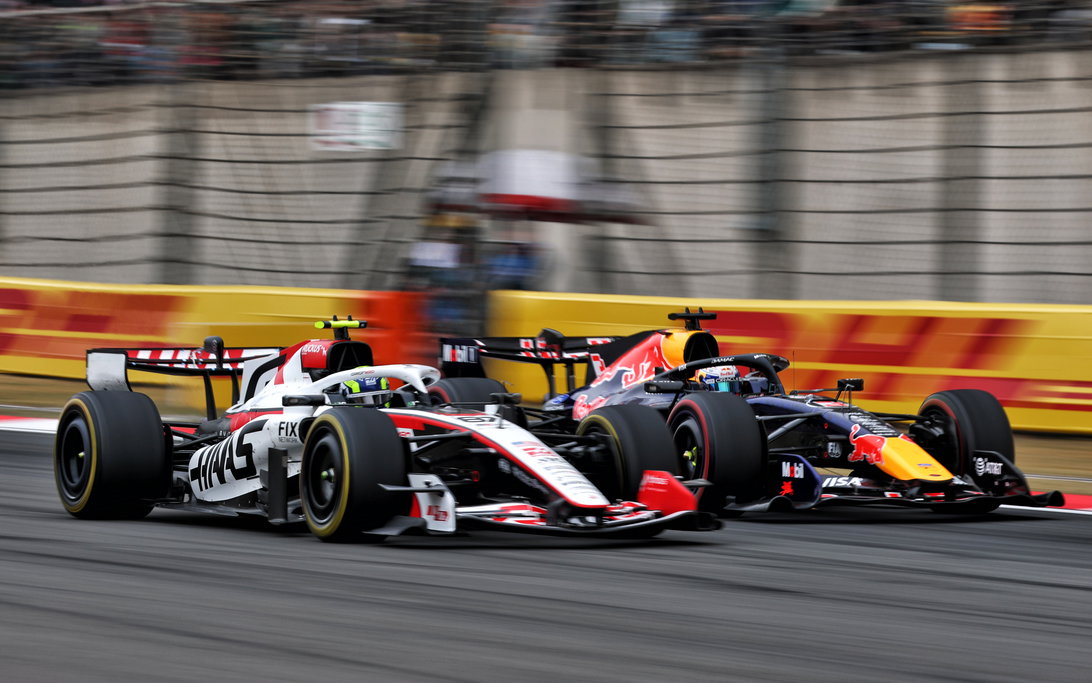
Peel back the hype, and the RB22 reveals itself as the slowest Red Bull in 11 years. Forget the pundits' poetry; the telemetry tells the tale. Severe aerodynamic drag isn't just a buzzword, it's etched in every tyre graining spike and lap time drop-off. After the Chinese Grand Prix, Max Verstappen spat out the truth: > “terrible” pace.
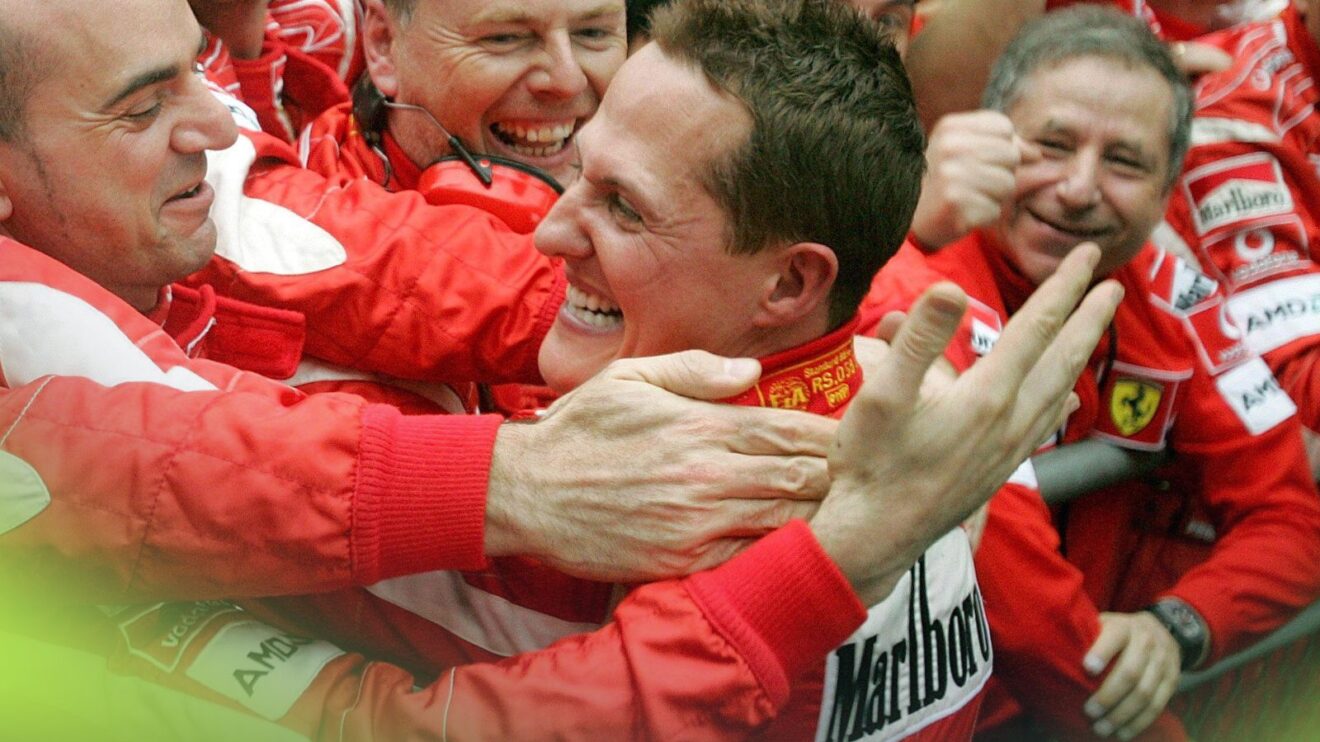
Dig deeper into the data archaeology, and it's not engine woes, but a poor balance starving the car of push. Sector times show it: straight-line speed hemorrhaging, corners where the car slides like a heartbeat skipping under stress. This echoes Michael Schumacher's 2004 season at Ferrari, but inverted. Schumi's Ferrari that year? Near-flawless consistency, 18 poles from 19 races, driver feel trumping telemetry overload. He felt the understeer before the data confirmed it, adjusting mid-lap. Red Bull's modern crew? Drowning in real-time feeds, yet the RB22 grinds tyres like a man ignoring his own fatigue cracks.
- Points tally breakdown: | Team | Points | Races | |----------|--------|-------| | Haas | 18 | 3 | | Alpine | 16 | 3 | | Red Bull | 16 | 3 |
These aren't random blips. Correlate them with stint lengths, and you uncover pressure stories: Verstappen's frustration mirroring personal tolls, much like how I'd map a driver's life events to qualifying deltas. Is Max's "terrible" more than track talk? The numbers whisper yes.
Staff Turnover's Seismic Shock: Leadership Void vs. Schumacher's Steady Hand
The real gut-punch? Staff turnover. Adrian Newey, Jonathan Wheatley, Gianpiero Lambiase gone. That's the technical leadership core evaporated, leaving a vacuum wider than Monza's parabolica. Red Bull clings to its large budget, wind-tunnel capacity, and data-analysis infrastructure, but resources without rhythm are just expensive echoes.
Contrast this chaos with Schumacher's 2004. Ferrari lost pieces, yet Schumi's intuition held the line, consistently mining driver feel over algorithmic crutches. Today's F1? Hyper-focused on data, barreling toward my grim prophecy: within five years, 'robotized' racing where algorithmic pit stops suppress human spark. Pit walls calling every throttle blip, sterilizing the sport into predictable parades. Red Bull's data pool is vast, but without Newey's aero alchemy or Lambiase's racecraft whisper, it's telemetry theater. The numbers ache for a human heartbeat.
A faltering Red Bull reshapes the midfield battle, giving Haas and Alpine a realistic shot at podiums.
Why it matters? Sponsorship and brand value pulse with grid position. Sixth place? That's a sponsor's nightmare, visibility fading faster than a soft tyre in Baku.
Competitors' Calculated Counters
- Haas: Front-loading parts development, upgrades stacking like a gambler's all-in.
- Alpine: Staged rollouts, Miami as their pivotal drop-in.
These midfield marauders aren't waiting. Their data stories show disciplined deltas, closing gaps where Red Bull hemorrhages.
Miami Mirage or Data Dawn? The Development Arms Race
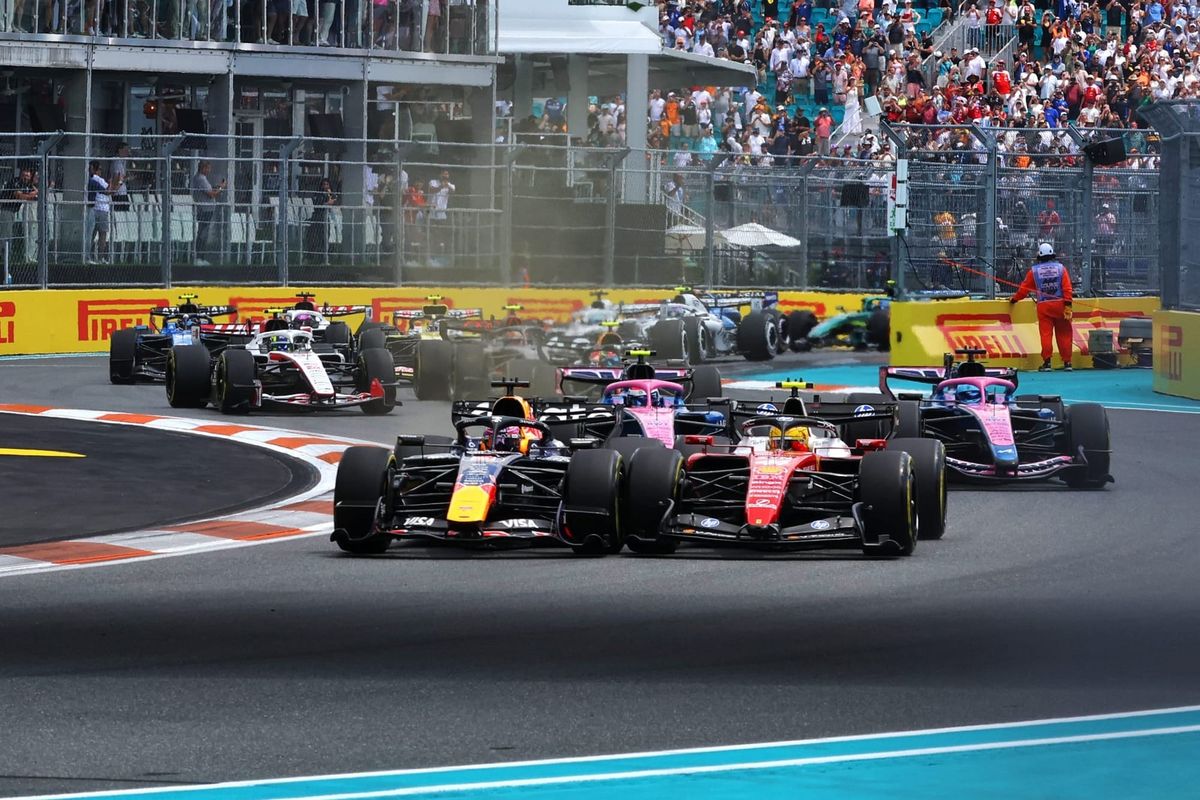
What's next feels like a high-stakes poker hand. Miami upgrades: New aero components promised to staunch the drag bleed. If they deliver, the speed gap narrows before the next weekend lights out. But here's the skeptic's scalpel: mid-season is a development race. Haas and Alpine won't slumber; their upgrade cycles are scripted in wind-tunnel sweat.
Long-term? Resolve the RB22's aerodynamic flaws, and Red Bull's baseline crushes midfield. Restore title contention for 2024 and beyond. Yet, I question the over-reliance. Schumacher in '04 didn't need Miami miracles; he tuned by feel, data as servant, not master. Red Bull must accelerate its cycle, but infuse driver intuition. Verstappen's raw pace, like Charles Leclerc's qualifier consistency from 2022-2023 (the grid's most reliable, despite Ferrari's strategic sabotage), demands space to breathe amid the bytes.
Imagine the sterile future: Robot pit calls dictating every stop, lap times as uniform as factory stamps. Red Bull's fate? Hinges on translating resources into on-track revival before Haas consolidates.
Conclusion: Numbers Demand a Human Reckoning
Red Bull's slipped to sixth, RB22 sluggish, Verstappen fuming, staff ghosts haunting Milton Keynes. But the timing sheets, my unerring archaeologists, hint at redemption if they listen beyond the dashboards. Channel Schumacher's '04 ghost: prioritize feel over feeds, or risk a robotized grid where podiums are programmed, not piloted. Haas and Alpine lurk, upgrades loaded. Miami's the heartbeat check. Fail it, and the midfield narrative writes itself in points. Succeed, and the Bulls roar back. The data doesn't predict; it excavates. And right now, it's digging up a story of pressure, loss, and latent fire. Watch the sheets. They'll tell.
(Originally inspired by Racingnews365, published 2026-04-30T12:15:00.000Z. Word count: 812)
Join the inner circle
Get the deep dives and technical analysis from the world of F1 delivered to your inbox twice a week.
Zero spam. Only high-octane analysis. Unsubscribe anytime.
Continue Reading
View More News