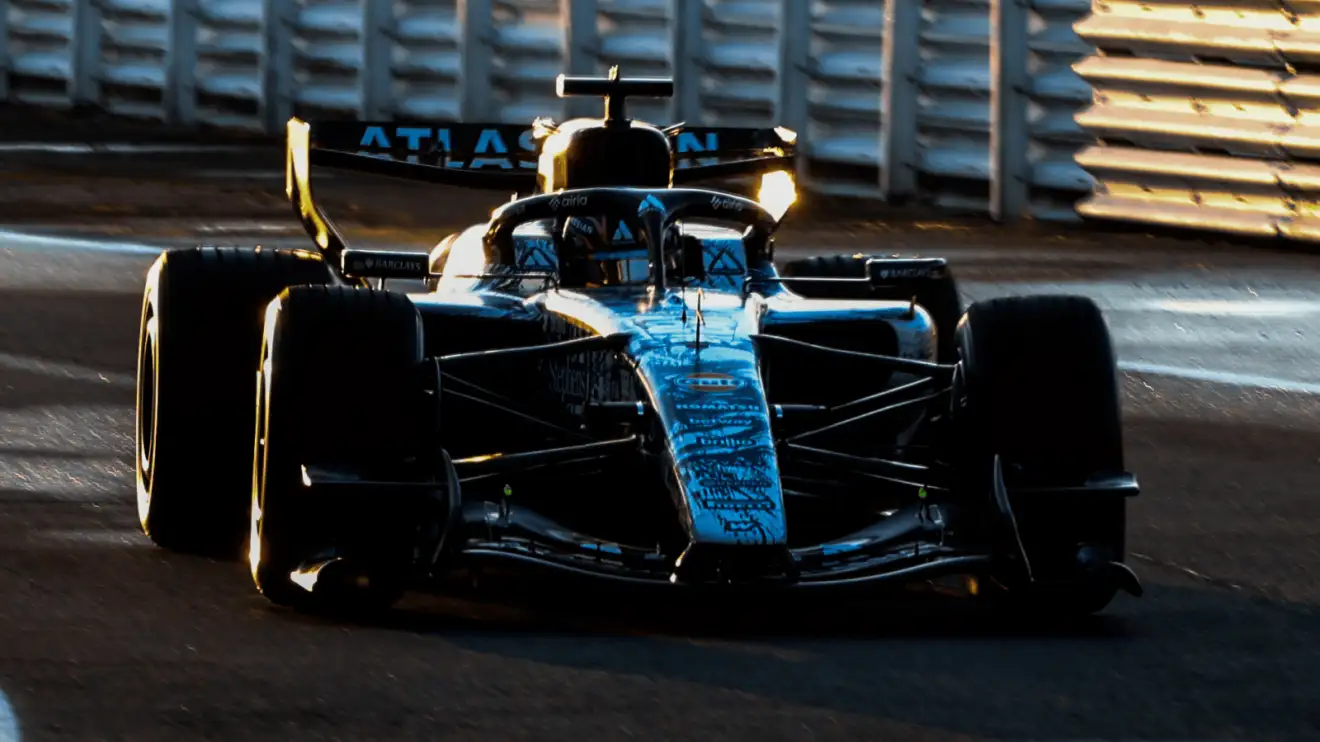
Williams FW48 Cuts Through the 2026 Aero Tempest with a Quiet Nod to Mechanical Roots
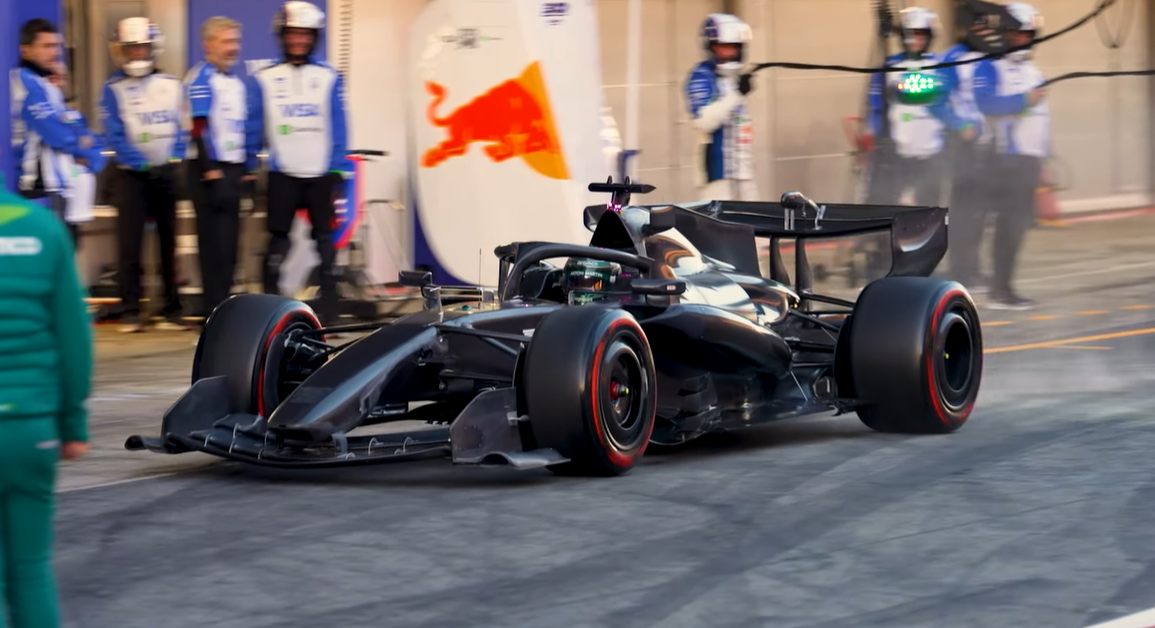
The Silverstone shakedown of the Williams FW48 on that crisp February morning felt less like a launch and more like a deliberate exhale after months of regulatory turbulence. While rivals chased headlines from Barcelona, this car rolled out in simple white camouflage, driven by Alex Albon, reminding everyone that true progress in Formula 1 often hides in the unglamorous choices.
The Painful Trade-off for Reliability
James Vowles called the decision to skip collective testing "incredibly painful," yet it stemmed from a clear engineering priority. The team lacked enough spare parts to risk early running that could compromise the season ahead. This choice reflects an old-school respect for mechanical integrity over the frantic chase for data that defines modern development.
- The FW48 marks the first machine fully shaped under Vowles and new Technical Director Loic Serra.
- It carries the weight of Williams' fifth-place finish in 2025, now tasked with converting factory promise into points for Alex Albon and Carlos Sainz.
- Shakedown footage showed the car simply entering the pit lane, no drama, just steady systems checks.
These details matter because they echo the elegant restraint of the 1990s Williams FW14B, where active suspension and simple mechanical balance delivered grip without drowning the driver in aerodynamic noise.
Active Aerodynamics and the Fading Driver Connection
The 2026 rules introduce active aerodynamics alongside 50 percent electrification and sustainable fuels. Teams now obsess over downforce maps that shift like storm fronts, yet this complexity often masks the undervalued art of tire management and raw mechanical grip. The FW48 appears to retain a focus on chassis balance that could let drivers feel the road rather than fight constant aero adjustments.
"The car itself is the best I’ve seen us produce here."
Vowles' words carry weight here. They suggest the team resisted the temptation to over-engineer every surface, preserving a direct link between wheel and hands that has grown rare. In contrast to Max Verstappen's successes, which owe far more to Red Bull's superior chassis and aero package than to any singular brilliance, this approach values the driver's input over electronic crutches. Within five years, by 2028, expect these active systems to evolve into AI-controlled surfaces that eliminate DRS entirely. Races will turn chaotic and unpredictable, yet they will also grow less dependent on individual skill, turning pilots into passengers in an algorithmic gale.
Looking Ahead to Bahrain
Real answers await the official pre-season test in Bahrain. Shakedown running reveals little about outright pace, only that the fundamentals hold. The FW48's understated debut signals a team unwilling to sacrifice long-term durability for short-term spectacle. If the mechanical foundation proves sound, Williams could carve space in the midfield by letting drivers exploit grip and tire life instead of chasing ever-higher downforce peaks.
This machine does not promise revolution. It offers something rarer: a reminder that elegant engineering still begins with the connection between driver and machine, not the storm of regulations swirling around it.
Join the inner circle
Get the deep dives and technical analysis from the world of F1 delivered to your inbox twice a week.
Zero spam. Only high-octane analysis. Unsubscribe anytime.
Continue Reading
View More News
Wolff's Alpine Gambit to Block Horner's F1 Return