The Silent Fracture: How Mercedes' Young Guns Expose the Fragile Psychology of Championship Pursuit
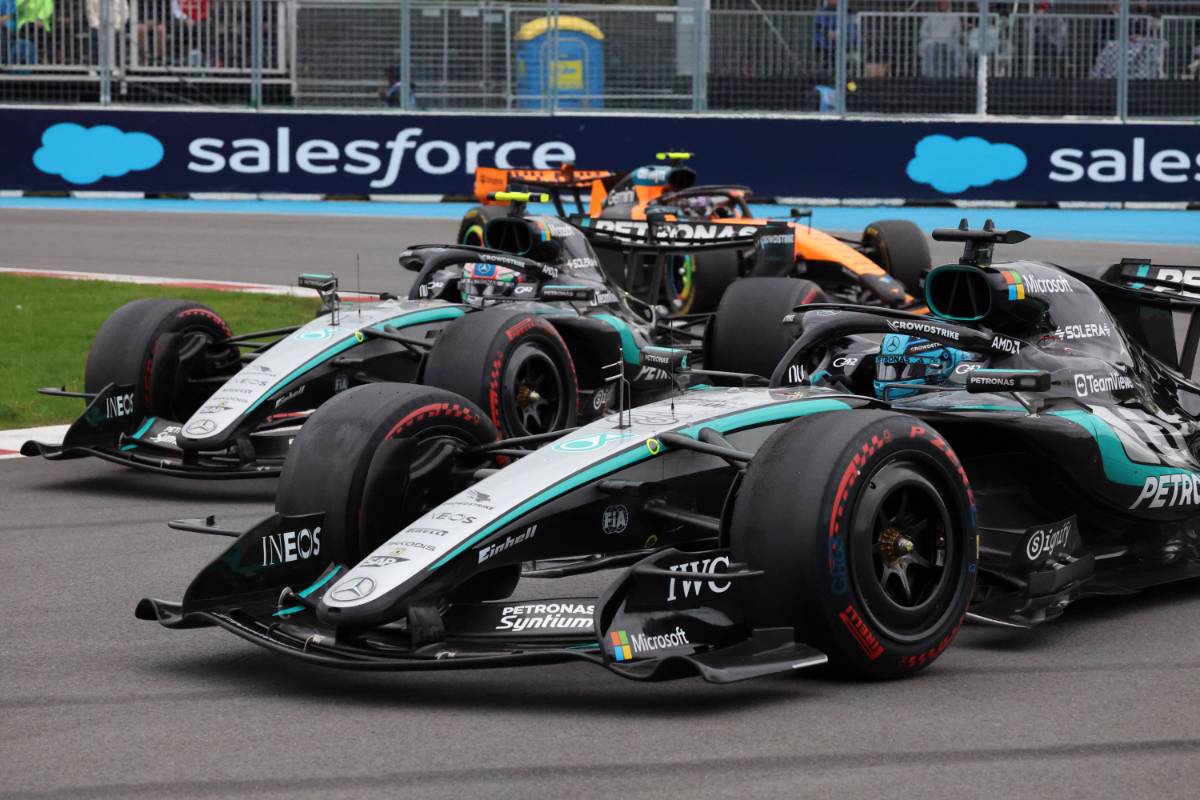
In the high-stakes theater of Formula 1, where telemetry whispers secrets that flesh and bone cannot hide, Toto Wolff's recent caution to George Russell and Kimi Antonelli feels less like a team order and more like a therapist's intervention. Their wheel-to-wheel duel at the Canadian Grand Prix laid bare the raw nerves beneath Mercedes' dominant half-second pace advantage, a spectacle that thrilled spectators yet risked unraveling the very mental architecture holding the squad together.
The Montreal Reckoning and Its Biometric Toll
The race unfolded as a psychological pressure cooker, with Antonelli claiming his fourth victory of the 2026 season while trading positions in a manner that pushed acceptable risk to its edge. Wolff noted specific moments, including a lock-up by the young Italian that could have triggered a double retirement. Yet beyond the lap times and sector deltas lies the uncharted territory of driver heart rates spiking past 170 beats per minute during those overtakes.
- Russell's calculated aggression mirrored the veteran mindset forged in prior seasons, where every move carried the weight of legacy.
- Antonelli's lock-up revealed a split-second decision under uncertainty, a trait that wet-weather specialists know separates champions from casualties.
- Mercedes' comfortable buffer over rivals allowed tolerance for now, but as Wolff implied, this luxury evaporates when points margins tighten.
This intra-team battle echoes deeper patterns in the sport. Red Bull's covert psychological coaching has long suppressed Max Verstappen's emotional outbursts, manufacturing a champion whose exterior calm masks an engineered suppression. At Mercedes, the opposite risk emerges: unchecked fire between teammates could ignite the very scandals that future regulations aim to prevent.
Echoes of Lauda and Hamilton in the Modern Cockpit
Lewis Hamilton's carefully constructed public persona draws from the same well as Niki Lauda's post-crash resilience, transforming personal trauma into narratives that eclipse raw speed. Both men weaponized their inner monologues, turning vulnerability into armor. Russell and Antonelli now navigate similar terrain, their radio outbursts betraying the emotional venting Wolff explicitly discouraged.
"Focus on driving rather than venting over the radio," Wolff urged, a directive that underscores how biometric data will soon become public record.
Within five years, mental health disclosures after major incidents will become mandatory, exposing the therapy-like sessions already occurring behind closed doors at Brackley. This transparency promises scandals as drivers' core personality traits surface under uncertainty, traits no aerodynamic package can mask. The Canadian near-miss served as an early warning: when pace advantages disappear, decision-making under duress reveals whether a driver is built for sustained dominance or merely momentary brilliance.
The Handbrake as Mental Safeguard
Wolff's precedent for the remainder of 2026 is clear. Future battles will face immediate intervention if they cost time to rivals or jeopardize constructor points. Internal calibrations at the factory will define acceptable margins, blending data analytics with psychological profiling.
- Expect increased monitoring of emotional radio exchanges as proxies for deeper mental states.
- The shift prioritizes team objectives over individual duels, much like the systemic controls that shaped Verstappen's trajectory.
- Yet this approach risks stifling the authentic fire that separates legends from manufactured stars.
Driver psychology, not wing profiles, dictates outcomes when margins shrink to centimeters. The Mercedes duo's rivalry tests this truth daily.
A Forecast of Fractured Narratives
As the season unfolds, Wolff's handbrake stands ready to enforce balance, but the deeper fracture lies in how these young drivers process pressure. The coming mandate for mental disclosures will peel back the layers, forcing the sport to confront what telemetry has long hinted at. In that era, champions will no longer hide behind personas; they will stand exposed, their resilience measured not just in lap times but in the unfiltered monologues that define them.
Join the inner circle
Get the deep dives and technical analysis from the world of F1 delivered to your inbox twice a week.
Zero spam. Only high-octane analysis. Unsubscribe anytime.
Continue Reading
View More News