Yuki Tsunoda's Quiet Fire: The Psychological Tightrope of Red Bull's Reserve Shadow
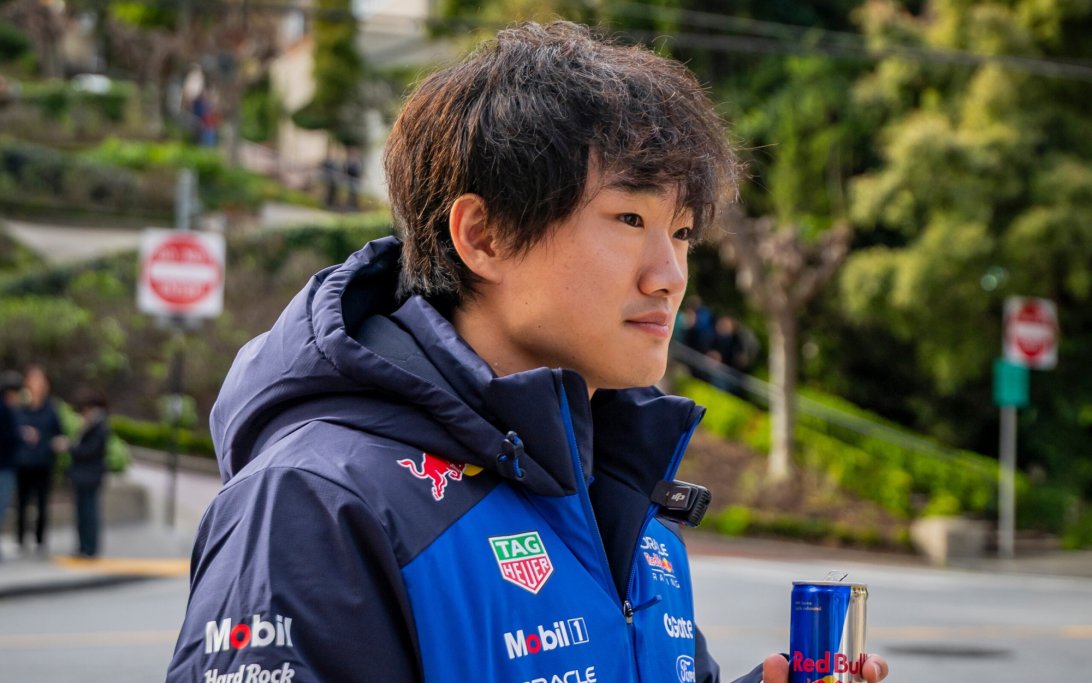
In the dim glow of simulator screens and the sterile hum of Friday practice garages, Yuki Tsunoda confronts not just lap times but the raw echo of his own discarded dreams. After a 2025 season that stripped him of his Racing Bulls race seat, the Japanese driver now clings to Free Practice 1 outings and test duties like lifelines in a storm of uncertainty. His recent experience with the radical 2026 regulations gives him technical value, yet the true battle unfolds inside his mind where suppressed frustration meets the relentless demand for composure.
The Manufactured Calm in Red Bull's System
Tsunoda's transition to official test and reserve driver reveals a deeper pattern within the Red Bull family. Team Principal Alan Permane confirmed scheduled FP1 sessions this year, though details on whether these runs involve both cars remain fluid. This setup forces Tsunoda into a role that prioritizes simulator feedback and setup refinement over raw racing instinct.
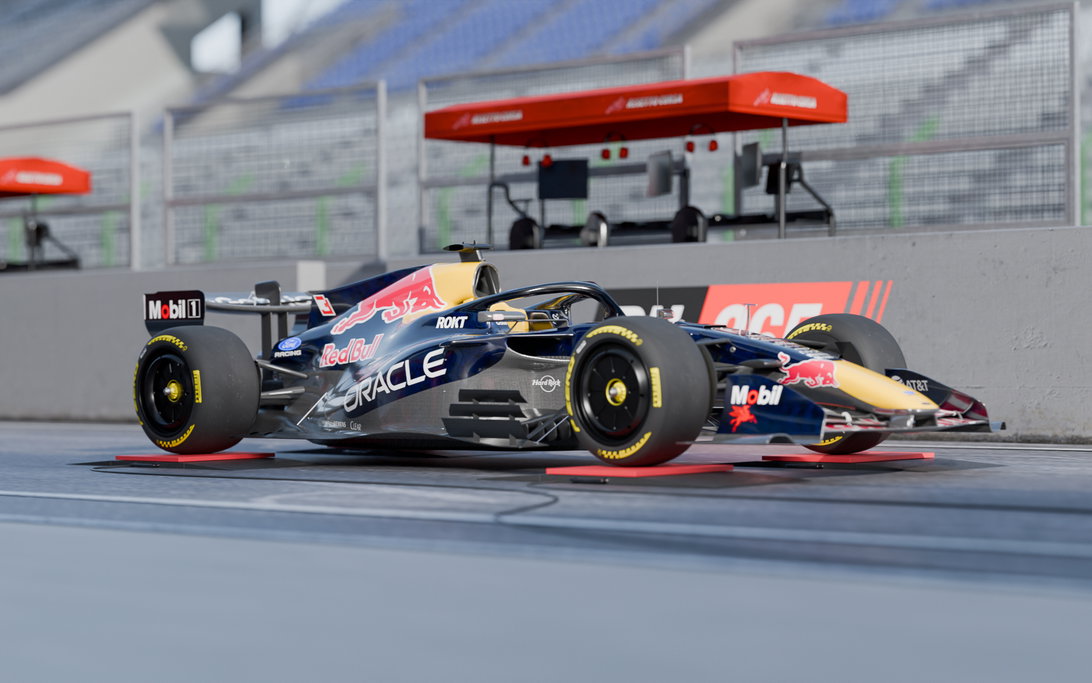
- His biometric data during recent demonstration runs shows elevated heart rate spikes precisely when the car caught fire mid-session in the USA, hinting at the inner monologue of a driver replaying past mistakes.
- Why now, when the new regulations reward experience, does every limited track opportunity feel like a final exam?
This mirrors the covert psychological coaching that has long shaped Max Verstappen into a manufactured champion, channeling emotional outbursts into calculated precision. For Tsunoda, the same system offers a narrow path back, but it demands he bury the fire that once defined his aggressive style.
Wet Conditions and the Mind Over Machine
Driver psychology trumps aerodynamics when uncertainty reigns, and Tsunoda's FP1 commitments will test this truth under variable conditions. In wet sessions, split-second decisions expose core traits that no engineer can redesign. His simulator work during race weekends already feeds real-time insights to the race drivers, blending telemetry graphs with the unspoken weight of his sidelined status.
"Remaining out of a full race seat heightens the pressure on every lap," notes the team dynamic, where Tsunoda's input on the 2026 car could either unlock a 2027 vacancy or seal his reserve fate.
Within five years, Formula 1 will likely mandate mental health disclosures after major incidents, thrusting drivers like Tsunoda into an era of transparency laced with media scrutiny. This shift could transform his narrative from quiet contributor to public case study, much like how Lewis Hamilton's calculated public persona echoes Niki Lauda's post-crash resilience. Both men weaponized personal trauma to craft stories that eclipsed pure talent, turning scars into strategic armor. Tsunoda may soon face the same choice, using limited FP1 runs to project unshakeable focus while his inner world churns with the fear of permanent exclusion.
- Success here positions him as the leading internal candidate for any Red Bull or Racing Bulls opening.
- Failure to impress risks fading into the background as fresher talents emerge.
His commercial activities in team events already blend performance with persona management, yet the abrupt end to that fiery demonstration run serves as a stark reminder of vulnerability.
Conclusion
Tsunoda stands at the threshold of a new F1 landscape where mental disclosures will redefine success. His 2026 FP1 lifeline offers not just development input but a stage to prove that resilience outlasts raw speed. If he masters this psychological game, the path to a permanent seat opens. If not, the Red Bull machine may simply move on, leaving another driver to navigate the same silent battle.
Join the inner circle
Get the deep dives and technical analysis from the world of F1 delivered to your inbox twice a week.
Zero spam. Only high-octane analysis. Unsubscribe anytime.