2026 F1 Season Analysis: Mercedes Dominates as Field Spreads Under New Rules
Analysis of the first three races of the 2026 F1 season reveals a grid spread nearly three times larger than 2025, with Mercedes dominating, Ferrari emerging as the main challenger, and Red Bull facing its biggest performance deficit in over a decade. The new regulations have created distinct performance tiers, though rapid development from teams like Cadillac and McLaren shows the competitive order is still evolving.
The 2026 Formula 1 season has begun with a dramatically wider performance gap across the grid, with Mercedes establishing clear dominance while Red Bull struggles at its weakest point in over a decade. Data from the first three races shows the field spread has nearly tripled compared to 2025, creating distinct performance tiers and reshuffling the competitive order as teams adapt to the new technical regulations.
Why it matters:
The significant spread in lap times signals a classic 'regulation reset' phase, where some teams have nailed the new concept while others have fallen behind. This creates a volatile and potentially less predictable competitive landscape in the short term, with historic teams like Red Bull facing unexpected challenges and newcomers like Cadillac showing rapid development potential.
The details:
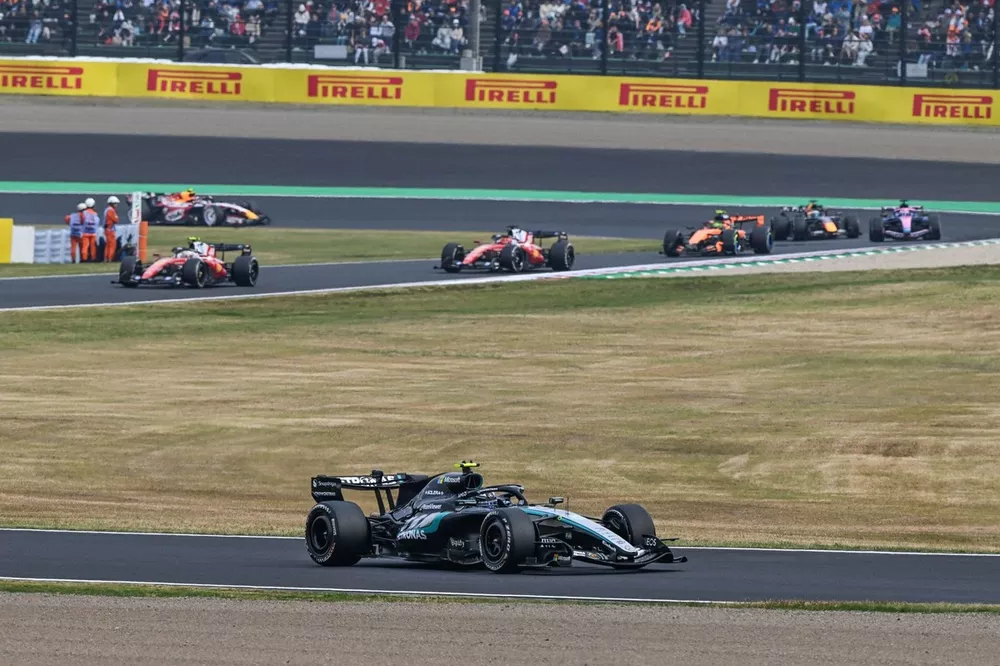
- Mercedes in Command: The German squad holds an average advantage of 0.56 seconds in qualifying and 0.53s per lap in race pace over its nearest rival, Ferrari, establishing a level of early dominance not seen from the team in years.
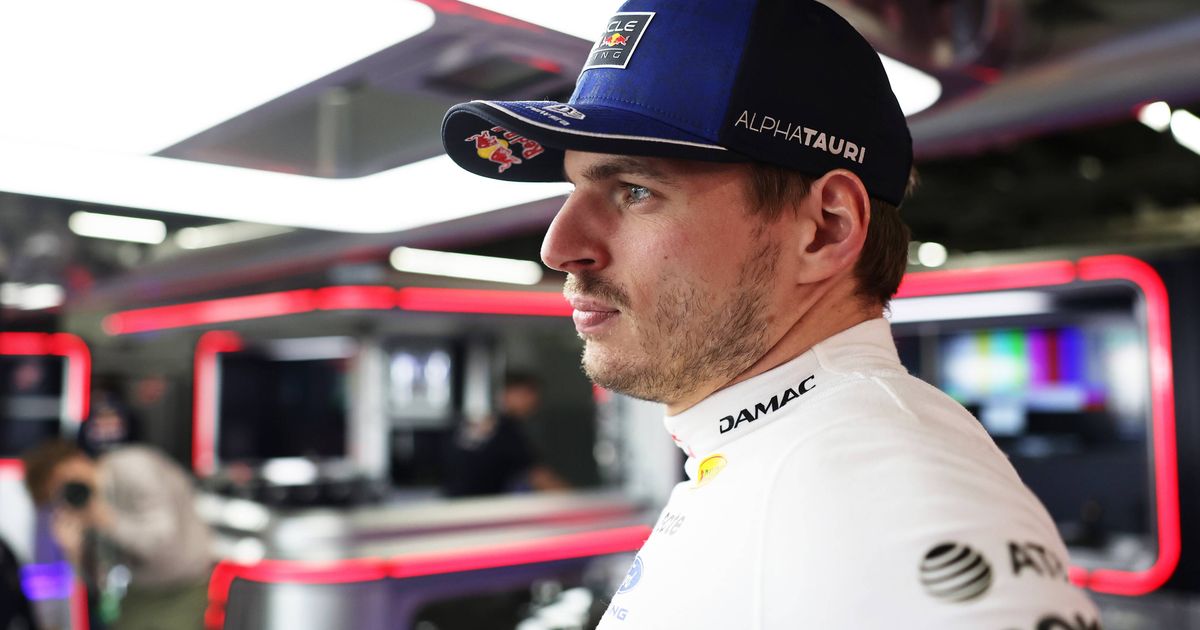
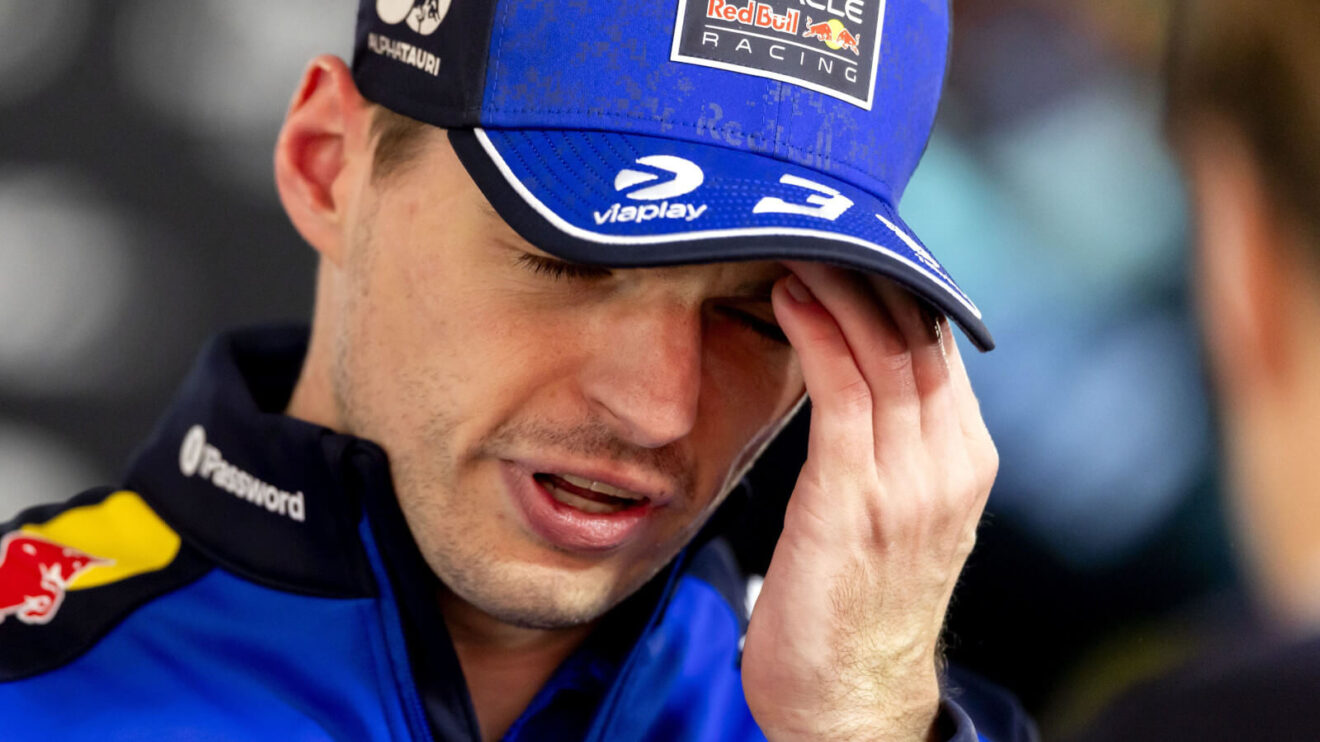
- Red Bull's Struggle: Sitting fourth in the performance order, Red Bull's deficit to Mercedes (0.97s in quali, 1.26s in race) is its largest since 2015, marking a significant reversal of fortune for the recent powerhouse.
- Ferrari's Race Strength: An interesting trend shows Ferrari-powered cars (Ferrari, Haas, Cadillac) tend to perform better in race conditions relative to qualifying, suggesting an engine optimized for race distances over single-lap peak power.
- Five-Tier Grid: The field currently splits into clear groups:
- Front: Dominant Mercedes.
- Chasers: Ferrari and McLaren.
- Upper Midfield: A tight pack from Red Bull down to Audi.
- No Man's Land: Williams.
- Backmarkers: Aston Martin and Cadillac.
- Cadillac's Rapid Progress: The new team has shown the fastest development rate, cutting its deficit to Mercedes by nearly a full second per lap between Australia and Japan, indicating a steep learning curve.
What's next:
The extended break before the next race provides a critical development window for teams to understand their cars and close the gaps. McLaren's significant pace improvement in Japan suggests the order is not yet frozen.
- The focus will be on which teams can sustain the fastest development rate, with midfield battles likely to tighten first.
- Mercedes' ability to maintain its advantage, and Red Bull's capacity for a rapid recovery, will define the narrative of the early 2026 season. The data confirms a major shake-up, but the long-term pecking order is still very much in flux.
Don't miss the next lap
Get the deep dives and technical analysis from the world of F1 delivered to your inbox twice a week.
Zero spam. Only high-octane analysis. Unsubscribe anytime.
Join the inner circle
Get the deep dives and technical analysis from the world of F1 delivered to your inbox twice a week.
Zero spam. Only high-octane analysis. Unsubscribe anytime.