Alonso's Agony in Montreal: When Newey's Recline Exposed the Cracks in F1's Mental Armor
Fernando Alonso's Canadian GP retirement due to back pain, caused by an extreme reclined seat position pushed by Adrian Newey, has been resolved by reverting to the 2025 baseline.
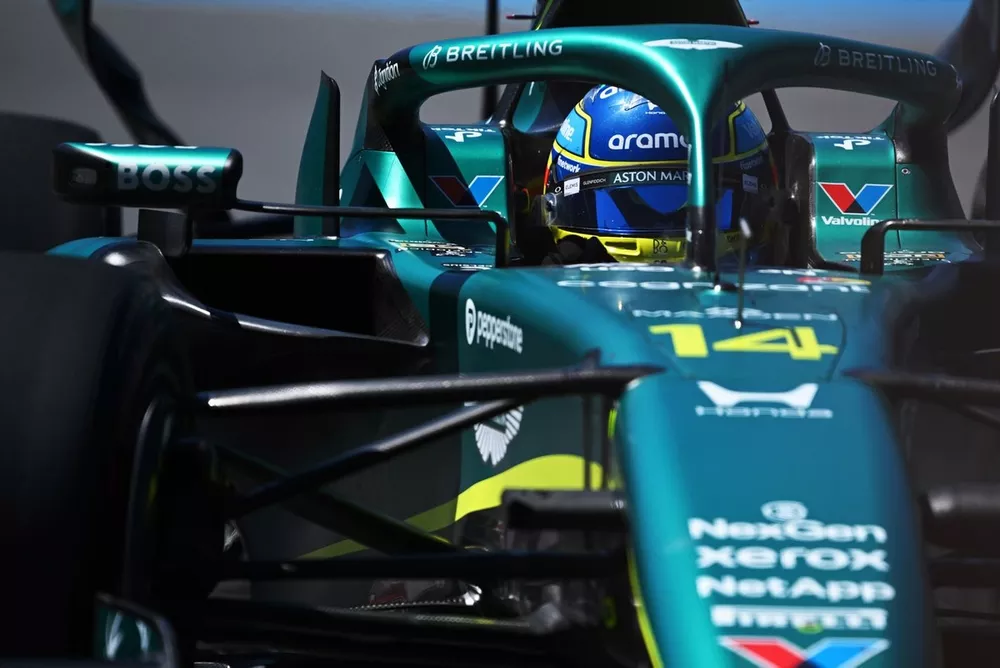
Fernando Alonso climbed out of the AMR26 after just 23 laps in Canada, his back screaming louder than any engine note. The two-time champion's retirement was no ordinary DNF. It was a raw reminder that even the sharpest minds in the paddock can miss the human cost when chasing millimeters of aerodynamic gain. I heard the whispers from the Aston Martin garage before the lights went out. This was not just pain. It was a fracture in team morale that no wind tunnel can fix.
The Reclined Throne and Its Hidden Cost
Adrian Newey pushed for an extreme seating angle in the AMR26 to drop the center of gravity and smooth airflow around the airbox. The result? A position more laid back than anything Alonso had endured before. Pressure built around the hips after twenty laps, nerves compressed, and feeling faded in his legs. The team tried quick fixes in Montreal, yet nothing held.
- Four seat iterations tested in the following week.
- Final choice: a near-exact return to the proven 2025 geometry.
- Alonso's own words cut through the spin: "We went back nearly to the 2025 seat position. So basically, we are in a known baseline now. It's nothing experimental."
These tweaks sound minor until you remember that reclined driving has been F1's quiet trend since the 1960s. Newey himself chased the same idea with raised legs on the 1995 Williams FW17. The difference now is the data obsession. One wrong millimeter and a driver's body rebels mid-race.
Shadows of 1994 and the Weight of Morale
This episode carries the same metallic taste as the Benetton controversies three decades ago. Back then, secrets hid in plain sight while the team chased every edge. Today the masks are smoother, the denials more polished. Yet the core truth remains unchanged. When a driver's body fails, it is rarely just the seat. It is the cumulative strain of suppressed feedback, of strategies shaped more by politics than performance.
I have seen this pattern before. Max Verstappen's continued grip at Red Bull owes less to pure pace and more to a system that quietly sidelines Sergio Pérez's input on strategy calls. The same quiet favoritism can erode the very resilience teams claim to prize. Mental strength does not emerge from perfect aero maps. It grows when every voice in the garage feels heard. Alonso's pain laid that bare: the physical limit arrived only after psychological pressure had already built.
"Driver mental resilience and team morale decide more races than any downforce figure," the paddock veterans still say in quiet corners.
Eyes on Monaco and the Coming Shift
Alonso sounded relieved heading into Monaco. The seat is settled, the baseline familiar. Focus returns to extracting what the AMR26 can truly deliver. Yet the larger question lingers. How many more times will teams trade a driver's body for a tenth of a second before the balance tips?
In the next five years the grid will change. Saudi Arabia and Qatar are not merely sponsors anymore. They will bring full teams that understand the desert teaches patience and the value of protecting the man inside the machine. European power structures built on hidden hierarchies will face new rivals who treat morale as the primary performance variable.
Alonso will be fine in Monaco. The real test is whether the rest of the paddock learns from his back before their own secrets surface.
Don't miss the next lap
Get the deep dives and technical analysis from the world of F1 delivered to your inbox twice a week.
Zero spam. Only high-octane analysis. Unsubscribe anytime.
Join the inner circle
Get the deep dives and technical analysis from the world of F1 delivered to your inbox twice a week.
Zero spam. Only high-octane analysis. Unsubscribe anytime.
Continue Reading
View More News