Timing Sheets Expose the Heartbeat Mercedes Cannot Afford to Flatten

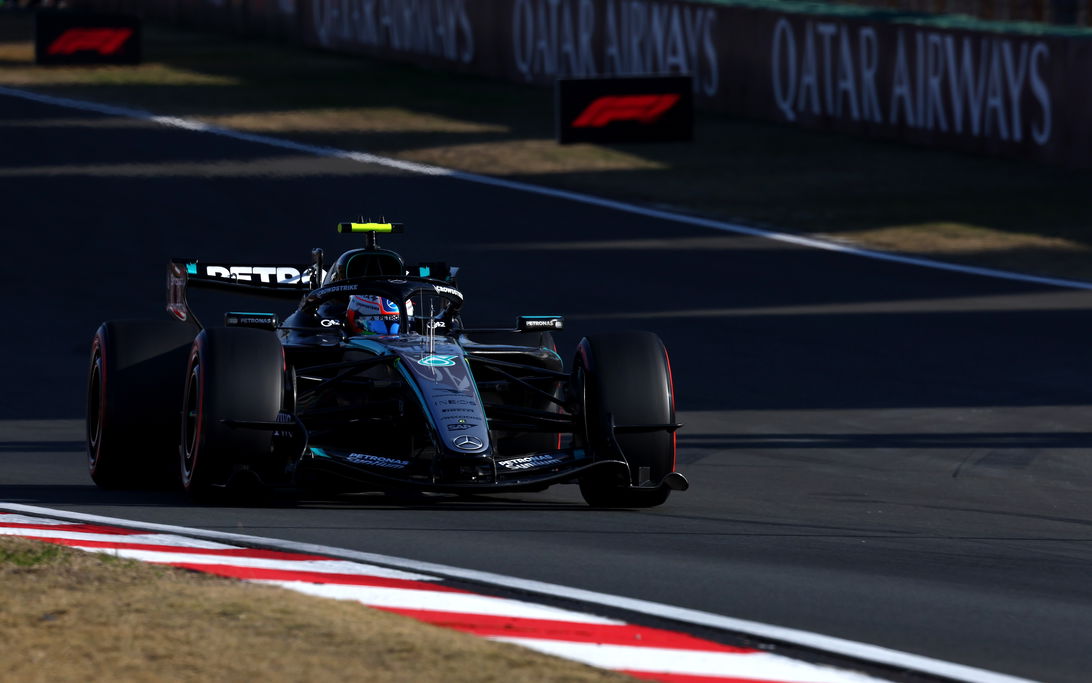
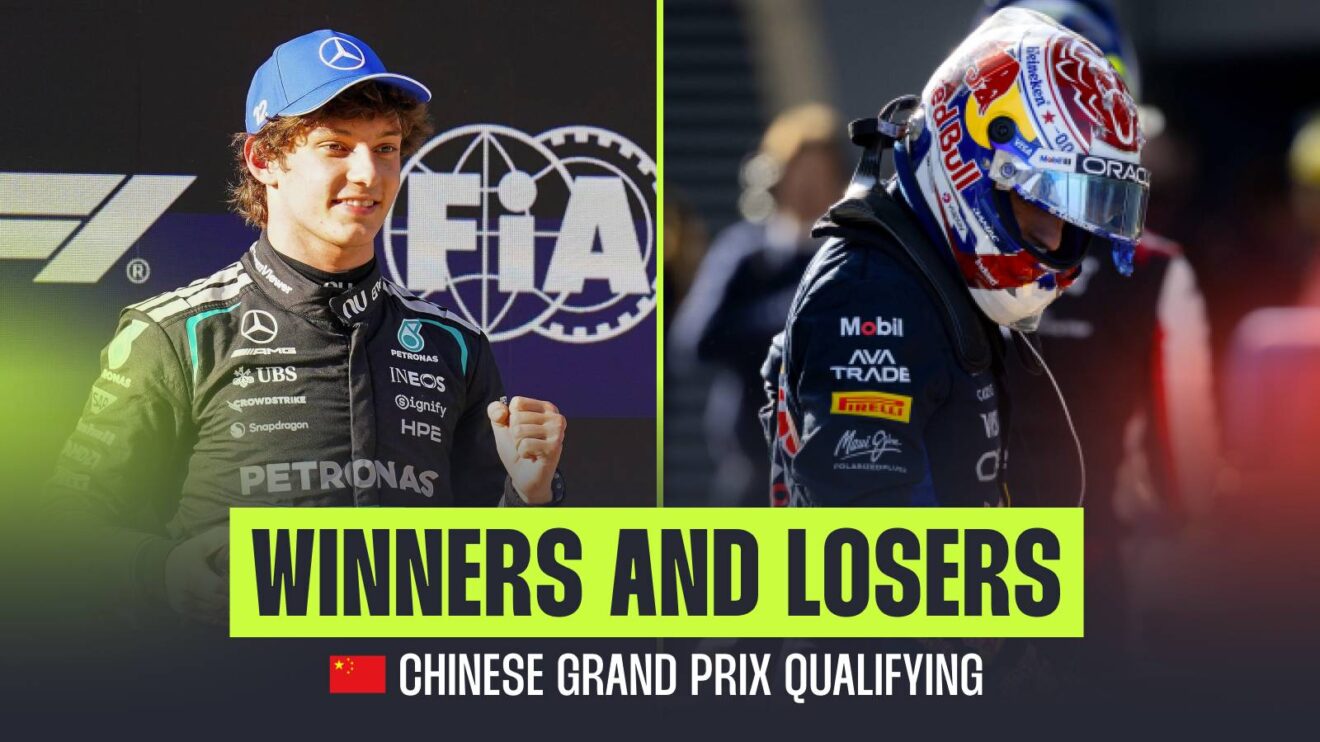
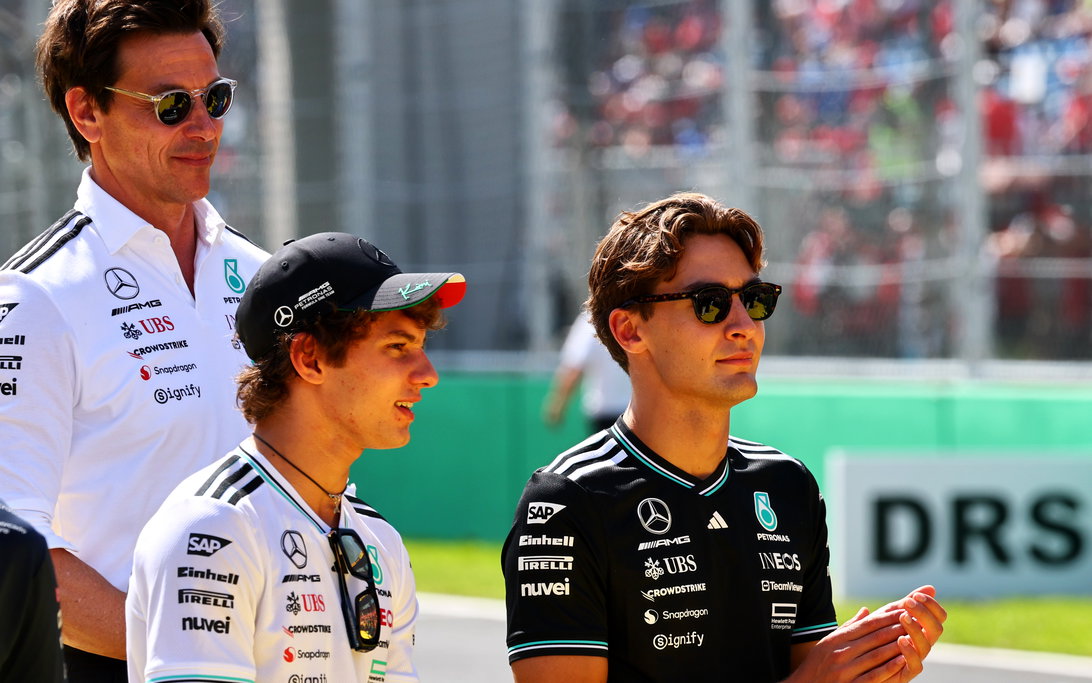
The raw telemetry from the first three rounds tells a story no team order can override. Mercedes sits atop the 2026 constructors table after sweeping every race and the China sprint, yet the nine-point gap between George Russell and Kimi Antonelli already pulses like an irregular lap time under mounting pressure. Toto Wolff's invocation of 150,000 staff and 120 years of heritage lands as a blunt force attempt to steady that rhythm before it fractures.
The Data Archaeology Behind the Warning
Numbers never lie about internal temperature. Russell leads his rookie teammate by exactly nine points after three victories, a margin small enough to register as a single sector's hesitation on any timing sheet. Wolff reached for the 2016 Spanish Grand Prix collision between Lewis Hamilton and Nico Rosberg as precedent, a moment when personal ambition carved a permanent scar into the championship narrative.
- Three wins and one sprint victory anchor Mercedes at the front.
- The intra-team battle now heads to Miami with that nine-point differential intact.
- Wolff explicitly tied the 150,000 workforce and 120-year legacy to a demand for collaboration over individual strategy calls.
These figures matter because they map pressure points. Lap-time drop-offs in the final stint of recent races already hint at the mental load two drivers carry when every radio message carries the weight of corporate legacy.
Schumacher's 2004 Standard Meets Modern Telemetry Traps
Michael Schumacher's 2004 campaign at Ferrari remains the clearest benchmark for what driver intuition can achieve when left unfiltered. He posted near-flawless consistency across twenty races because the team trusted his feel over constant real-time corrections. Today's hyper-focus on analytics threatens exactly that edge. Within five years the sport risks becoming a sequence of algorithmic pit calls and pre-programmed tire strategies, turning drivers into executors rather than interpreters of the track.
"The team is always bigger than the drivers," Wolff stated, yet the timing sheets from 2004 show how one driver's unbroken rhythm could lift an entire organization without flattening personality in the process.
Charles Leclerc's career already illustrates the opposite danger. Ferrari's strategic missteps often get misread as driver error, but the qualifying data from 2022 and 2023 reveal him as the grid's most consistent pole hunter when the car simply lets him drive. Mercedes must avoid turning Russell and Antonelli into similar cautionary tales where data suppresses the very instincts that win titles.
- Over-reliance on live telemetry risks erasing the micro-adjustments that separate Schumacher's era from today's sanitized grids.
- A collaborative mandate only works if it preserves space for human judgment during wheel-to-wheel moments.
- Miami will test whether Wolff's cultural leash tightens or loosens around the drivers' natural competitive pulse.
The Sterile Future Already Taking Shape
If Mercedes succeeds in enforcing pure team-first protocols without protecting driver intuition, the 2026 season could mark another step toward predictable, heartbeat-flat racing. The nine-point gap will tighten or explode in Miami depending on whether the data serves the drivers or begins to command them. History favors the squad that lets timing sheets reveal stories rather than dictate them.
Join the inner circle
Get the deep dives and technical analysis from the world of F1 delivered to your inbox twice a week.
Zero spam. Only high-octane analysis. Unsubscribe anytime.