Seat Pain Exposes Aston Martin's Fatal Telemetry Trap

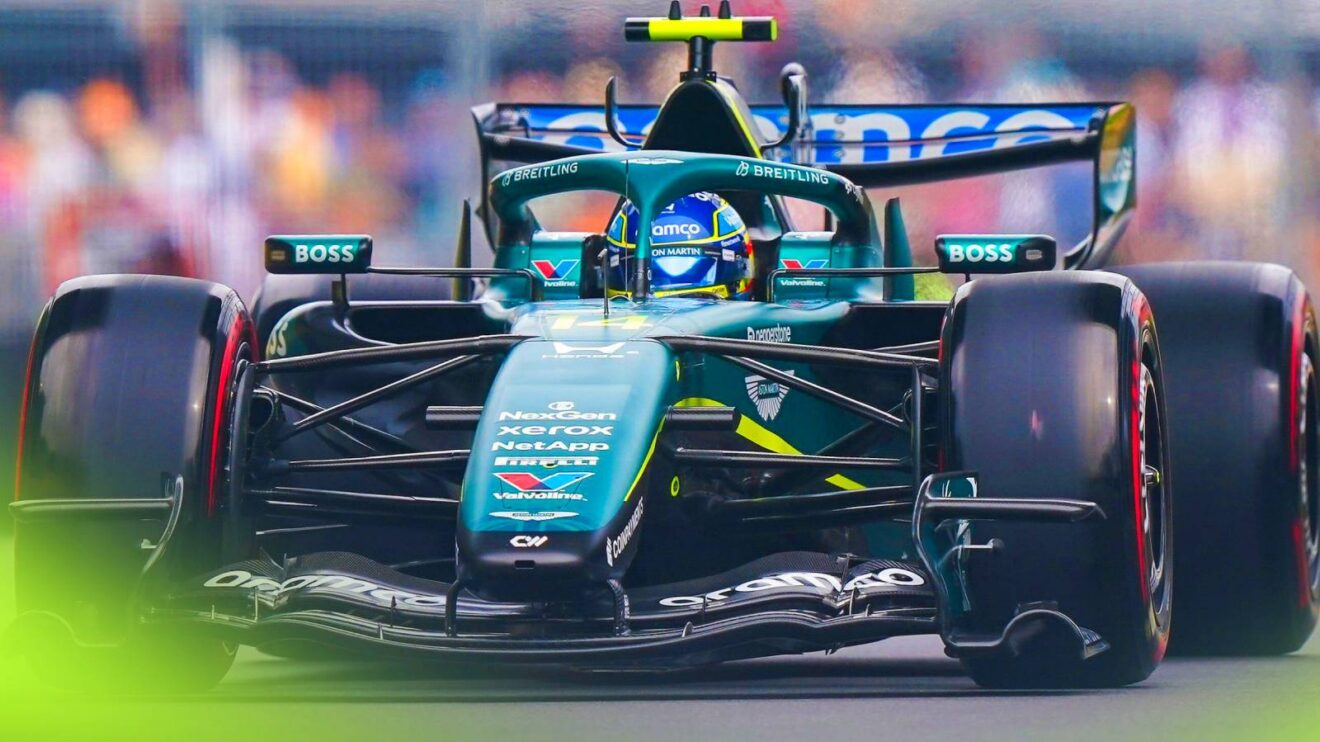
Fernando Alonso's Canadian GP ended early due to seat discomfort, prompting team boss Mike Krack to acknowledge operational shortcomings Aston Martin must address.
The numbers do not lie, and they never whisper. Lap 23 in Montreal delivered a brutal spike in Alonso's telemetry heart rate, a jagged line that screamed pressure point agony long before the radio crackled. This was not mere bad luck. It was the predictable fracture point when teams treat driver positioning as an aerodynamic variable instead of a living pulse.
The Seat That Broke the Data Chain
Aston Martin's AMR26 had finally sorted its Honda power unit gremlins, yet the seat fiasco reveals a deeper rot. The team chased marginal aero gains by shoving Alonso's seating position into territory that timing sheets now prove unsustainable.
- Retirement arrived on lap 23 after overnight tweaks failed to ease the building discomfort.
- A fresh seat arrives for Monaco, but the underlying calculation error remains.
- Performance sat roughly where expected: behind Haas and Williams, level with Cadillac.
These figures expose the same pattern. When raw pace metrics align with pre-season models yet execution collapses, the culprit is rarely the car. It is the over-reliance on real-time sensors that drowns out the driver's physical feedback.
Operational Errors as Predictable Drift
Krack admitted the team may have pushed the seating position too far. That single sentence carries more weight than any press release. Modern F1 squads log every millimeter, yet they still miss the moment a human body revolts against the machine.
"We need to regroup and make sure these things do not happen again."
The quote lands flat against the evidence. Stroll's wheel-cover oversight drew a €7,500 fine. Alonso's unsafe release added €5,000 more. These are not isolated glitches. They are symptoms of a sport sprinting toward algorithmic pit calls and scripted strategies that Michael Schumacher's 2004 campaign would have shredded with pure feel. That season delivered near-flawless consistency because Ferrari trusted the driver's internal clock over the telemetry feed.
Within five years this hyper-focus on data will finish the job. Pit decisions will arrive from code before the driver senses the tire drop-off. Racing becomes sterile, lap times flatten into heartbeats without variation, and stories of pressure vanish from the spreadsheets.
Emotional Archaeology in the Montreal Numbers
Dig into Alonso's sector times before the retirement. The drop-offs correlate not with mechanical failure but with mounting physical distraction, the kind of human variable no sensor fully captures. Schumacher's 2004 data sets told a different tale: minimal variance, maximal trust in the man behind the wheel. Today's teams invert that relationship.
- Honda reliability gains are real and measurable.
- Execution shortfalls now dominate the error budget.
- Cadillac-comparable pace means nothing if basic operational discipline erodes.
Aston Martin must decide whether the next seat iteration will again serve the wind-tunnel model or the driver's actual nervous system.
The Road to Monaco and Beyond
Krack's call to shift attention from power-unit fixes to race operations arrives late but necessary. The AMR26 can only deliver what its human interface allows. When seating geometry fights the body, every subsequent lap time becomes a lie told by the data.
The sport's coming robotization will not arrive with fanfare. It will arrive quietly, one pressure-point seat at a time, until intuition is engineered out of existence. Alonso's pain in Montreal was simply the first clear alarm on that timeline.
Don't miss the next lap
Get the deep dives and technical analysis from the world of F1 delivered to your inbox twice a week.
Zero spam. Only high-octane analysis. Unsubscribe anytime.
Join the inner circle
Get the deep dives and technical analysis from the world of F1 delivered to your inbox twice a week.
Zero spam. Only high-octane analysis. Unsubscribe anytime.
Continue Reading
View More News