Aston Martin's nightmare start: Power unit vibrations and reliability woes plague 2026 season
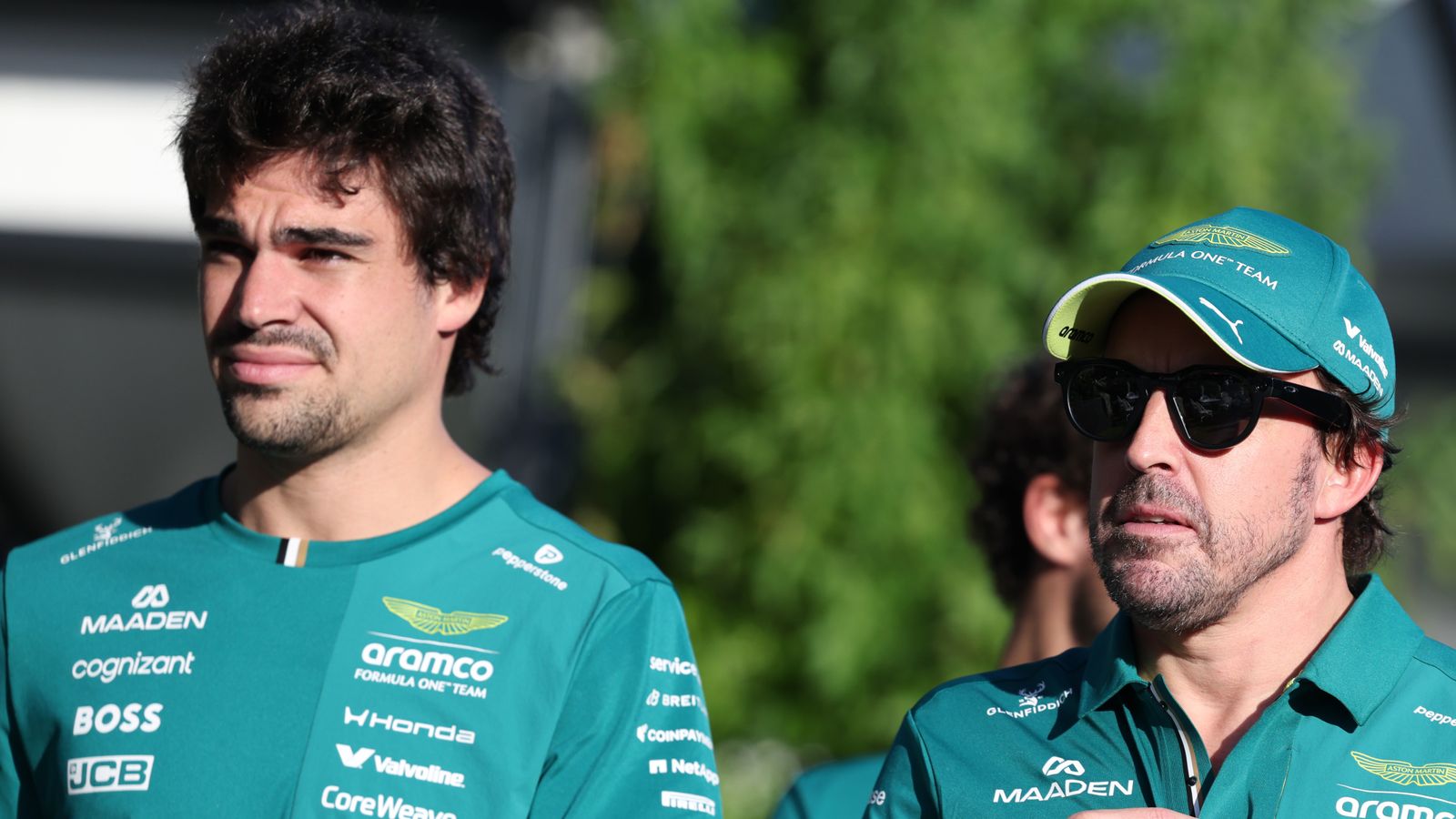
Aston Martin's 2026 season is off to a catastrophic start, crippled by violent vibrations from the new Honda power unit that have prevented both cars from finishing a race and left driver Fernando Alonso physically unable to continue. The team faces a fundamental reliability crisis that has demolished its competitive ambitions, turning the focus to basic survival and raising serious questions about its future trajectory and Alonso's career.
Aston Martin's 2026 Formula 1 season is in crisis, with severe power unit vibrations from the new Honda engine causing debilitating physical issues for its drivers and preventing either car from finishing the first two races. The team heads to Honda's home race in Japan under intense scrutiny, battling not for points but simply to complete sessions, while internal leadership questions swirl around technical chief Adrian Newey.
Why it matters:
This disastrous start threatens the long-term project envisioned by owner Lawrence Stroll, who has invested heavily in new facilities to build a championship contender. For Honda, returning as a full works supplier, the public reliability crisis at their sole partner team is a major reputational blow. For veteran driver Fernando Alonso, it directly impacts his decision on whether to continue his F1 career beyond this year.
The details:
- The core issue is extreme vibration from the new-for-2026 Honda power unit, which Alonso described as causing him to lose feeling in his hands and feet, forcing him to retire in China.
- Team principal Adrian Newey had warned of potential "permanent nerve damage" to the drivers before the season began, highlighting the severity of the problem.
- Honda has been running dyno tests at its Sakura base to trace the vibration source, with trackside chief Shintaro Orihara admitting driver comfort remains "a key area to address."
- The vibrations have forced Aston Martin to run the engine at reduced RPM for reliability, significantly compromising performance. Both cars were knocked out in Q1 in China, a full second off the pace to reach Q2.
- Off-track, co-owner Lawrence Stroll was forced to publicly address rumors about Newey's role, stating the unconventional leadership structure—with Newey focused on technical matters—is "by design."
The big picture:
Aston Martin's situation is exacerbated by Honda's status as a single-team supplier. Unlike Mercedes, Ferrari, or Red Bull-Ford, Honda has only one source of on-track data, making problem-solving slower. This echoes Honda's painful past with McLaren from 2015-2017. The team's pre-season goal of becoming a regular points contender has been replaced by the basic aim of finishing races. The pressure is immense on a team that showed promise in recent years and attracted Alonso with the prospect of a competitive 2026 car.
What's next:
The immediate focus is survival. The five-week gap after Japan provides critical time for Honda to find fixes.
- The first realistic target is to enable both cars to finish a Grand Prix, potentially by the Miami GP in early May.
- A more fundamental power unit redesign may be needed, which could lead to a B-spec car by mid-season, around Silverstone in July.
- Honda may get development help via the "Additional Development and Upgrade Opportunities" (ADUO) system, awarded to manufacturers lagging in performance, but budget cap constraints limit how much they can simply spend their way out of trouble.
- For Alonso, his future hinges on the speed of this recovery. With his contract expiring and his 45th birthday approaching, a prolonged crisis could hasten his retirement decision.
Don't miss the next lap
Get the deep dives and technical analysis from the world of F1 delivered to your inbox twice a week.
Zero spam. Only high-octane analysis. Unsubscribe anytime.
Join the inner circle
Get the deep dives and technical analysis from the world of F1 delivered to your inbox twice a week.
Zero spam. Only high-octane analysis. Unsubscribe anytime.
Continue Reading
View More News