Barcelona GP Qualifying: Battle for Pole at Circuit de Barcelona-Catalunya
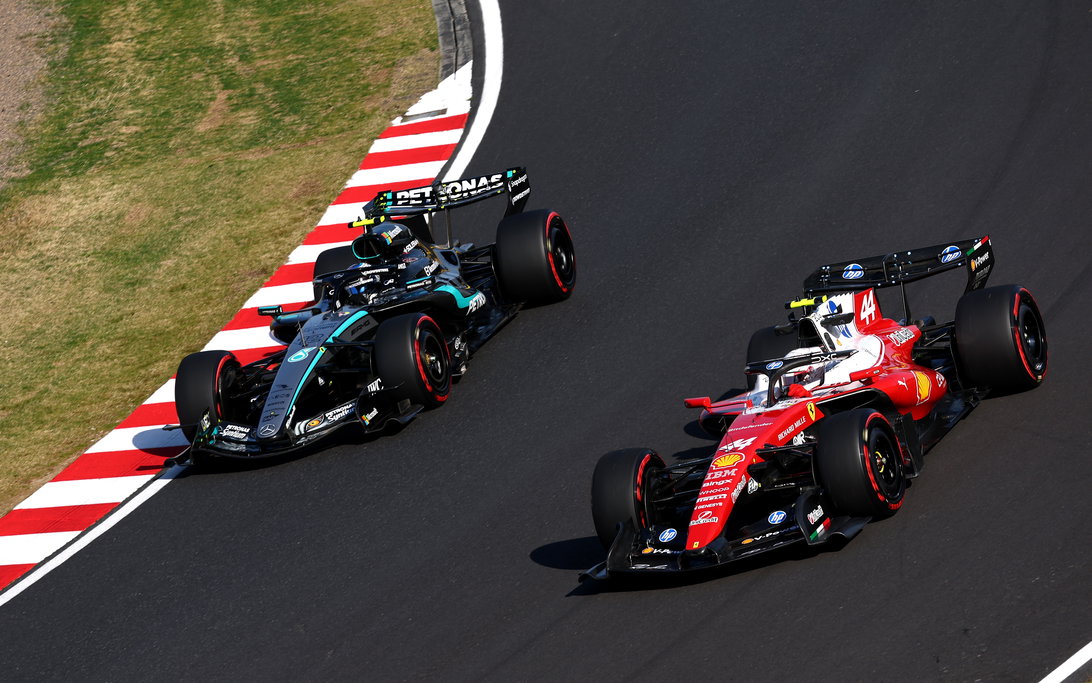
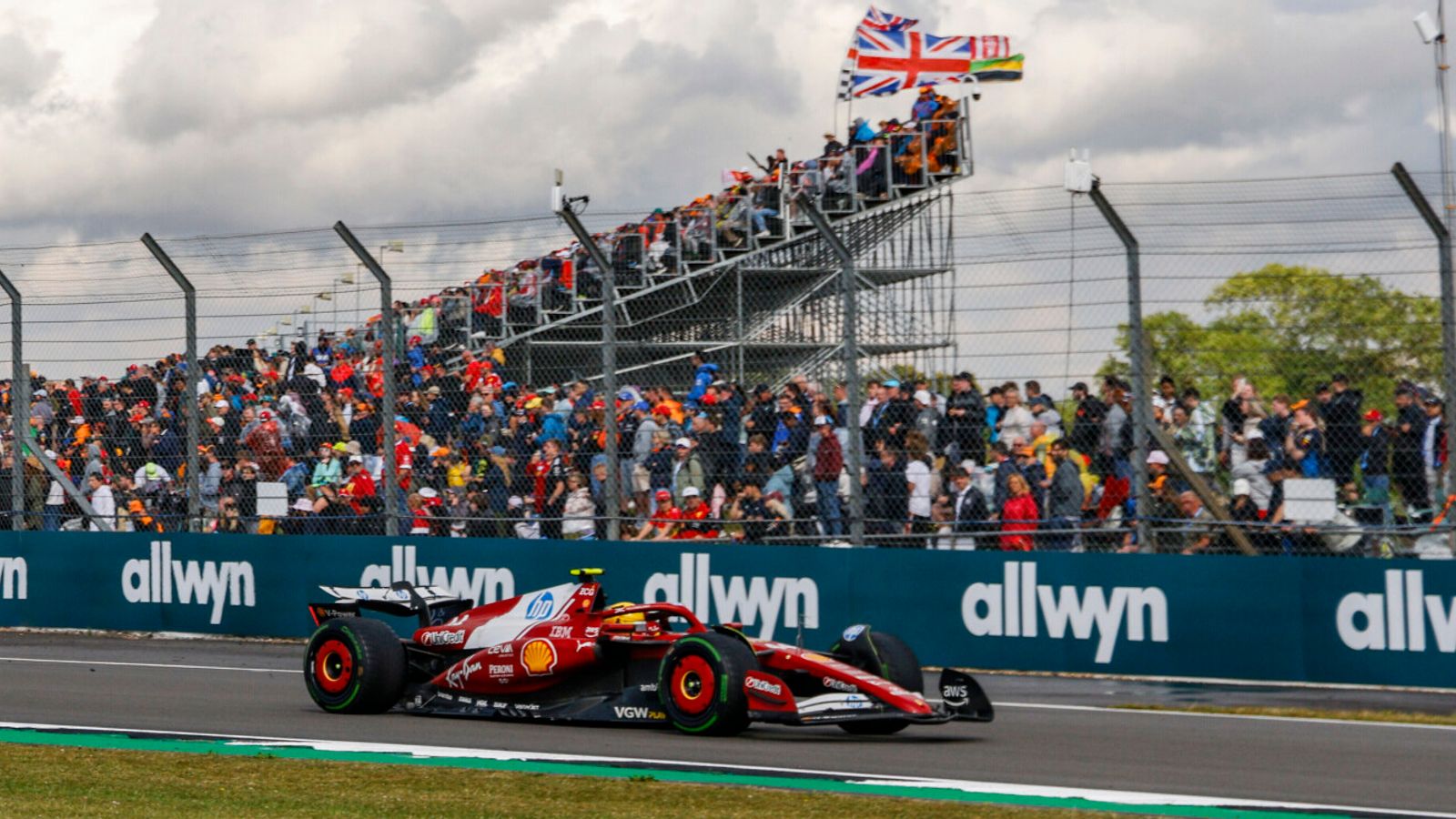
The grid takes shape in Spain as drivers fight for track position. With the 2026 technical regulations in full effect, qualifying at Montmeló will serve as a critical performance benchmark for the European leg.
The focus shifts to the clock as the paddock prepares for the Barcelona Grand Prix qualifying session. After a weekend of rigorous simulation and practice, the drivers now face the ultimate test of one-lap pace to secure the best possible starting position for Sunday's race.
Why it matters:
Barcelona remains one of the most critical benchmarks on the F1 calendar. Due to its demanding mix of high-speed corners and technical sectors, the Circuit de Barcelona-Catalunya exposes any deficiency in chassis balance or aerodynamic efficiency. In the 2026 era, where power unit integration and energy deployment are still being refined across the grid, securing a front-row start is paramount to avoid the aerodynamic turbulence that often hampers overtaking in the mid-field here.
The Details:
- Session Schedule: The battle for pole kicks off at 16:00 (15:00 UK).
- Knockout Format: The session follows the standard three-stage elimination process:
- Q1: 18 minutes to trim the slowest drivers.
- Q2: 15 minutes to narrow the field to the top ten.
- Q3: A final 12-minute shootout for the pole position.
- Technical Focus: Success will depend on maximizing tire warm-up and precision through the high-load corners of the final sector.
The Big Picture:
As the 2026 season progresses, the performance gap between the top contenders has become razor-thin. Qualifying in Spain often serves as a bellwether for the rest of the European leg, indicating which teams have truly mastered the synergy between the new power unit's torque delivery and the chassis's mechanical grip. A strong showing today will send a clear signal to the rest of the paddock regarding who holds the current developmental edge.
What's next:
Once the checkered flag falls in Q3, the focus shifts entirely to race strategy. The track temperatures and tire degradation levels observed during these qualifying runs will be the primary data points teams use to decide between a conservative two-stop or a high-risk one-stop strategy for Sunday's Grand Prix.
Don't miss the next lap
Get the deep dives and technical analysis from the world of F1 delivered to your inbox twice a week.
Zero spam. Only high-octane analysis. Unsubscribe anytime.
Join the inner circle
Get the deep dives and technical analysis from the world of F1 delivered to your inbox twice a week.
Zero spam. Only high-octane analysis. Unsubscribe anytime.
Continue Reading
View More News