Monaco's Walled Arena Lays Bare F1's Real Currency: Morale and the Quiet Wars Inside Every Garage

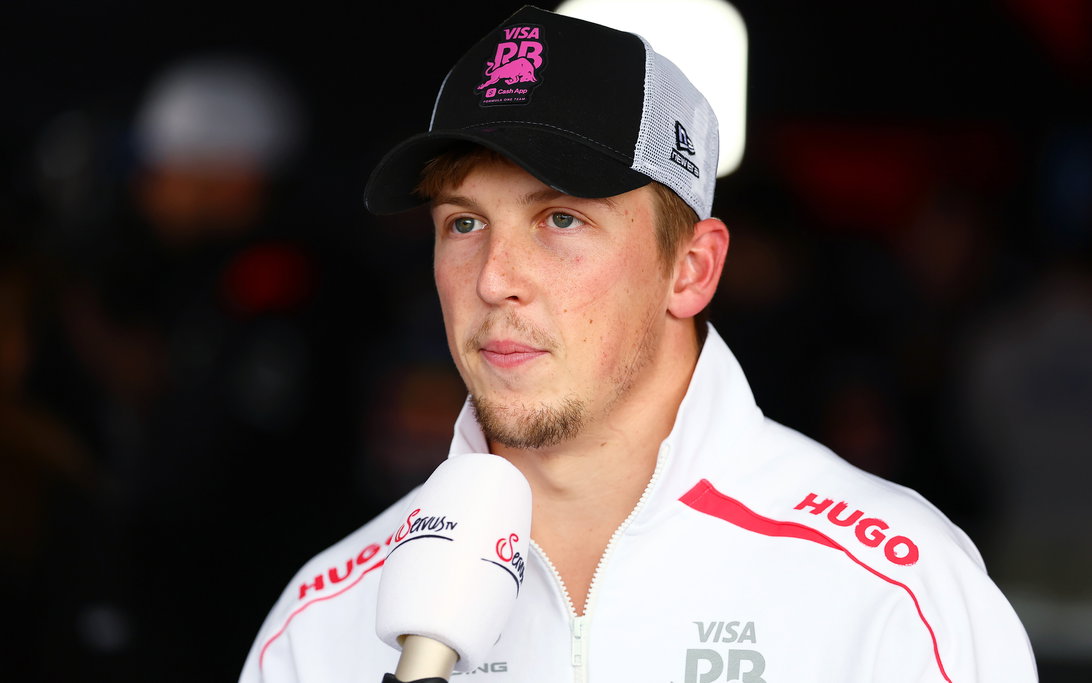
Oliver Bearman expects the Monaco Grand Prix to offer a rare reprieve from the 2026 season's energy-saving tactics, allowing drivers to push flat-out without constant lift-and-coast. He admits his car still needs work on corner balance before he can confidently attack the unforgiving walls.
The Principality has always been less a race track and more a courtroom where contracts, egos, and hidden agendas stand trial under the Mediterranean sun. Oliver Bearman now steps into that arena with the 2026 regulations still strangling most circuits, yet Monaco offers one rare window where drivers can chase the limit without the usual regulatory handcuffs. What the paddock refuses to admit is that this reprieve will expose not horsepower or battery maps, but the fragile alliances inside each team that decide who thrives when the walls close in.
The Regulatory Trap That Echoes 1994
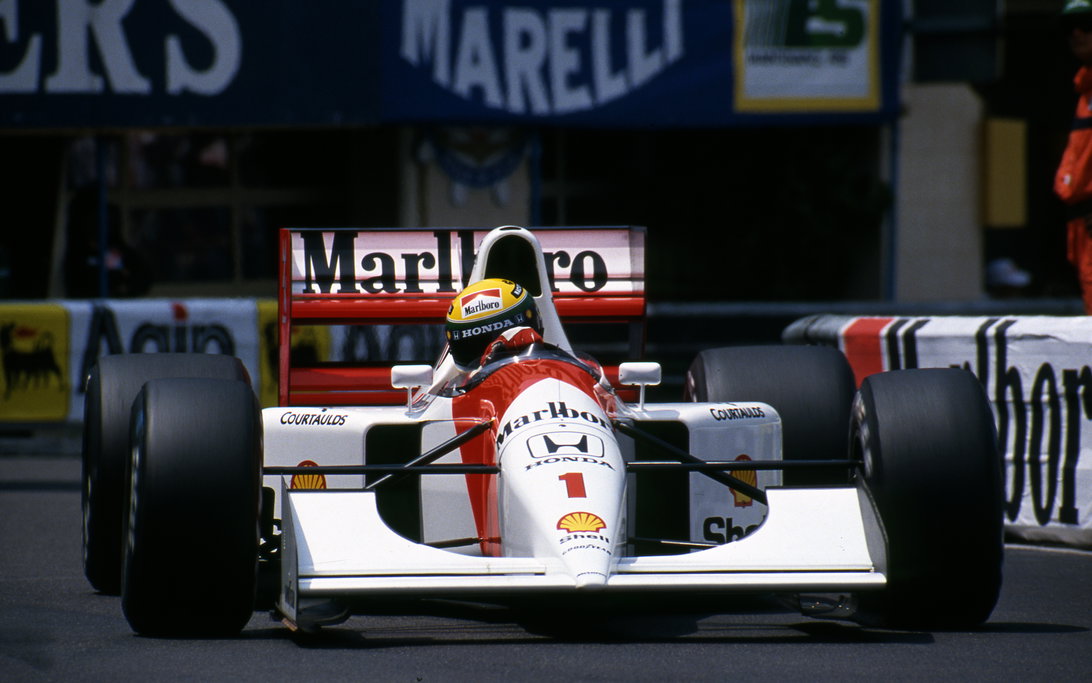
Every new set of technical rules arrives dressed as progress while quietly tilting the field toward those willing to bend the spirit if not the letter. The 2026 energy recovery system, with its aggressive harvesting demands and lift-and-coast mandates on normal tracks, mirrors the fuel-system manipulations that once defined the Benetton era. Back then, management conflicts and covert engineering created an uneven battlefield long before any protest reached the stewards. Today the same dynamic plays out through battery tapering and mode zones that punish instinctive racing everywhere except Monte Carlo.
Bearman himself captured the relief when he told GPblog that Monaco will feel "a bit more like last year," letting drivers "use the gears that we want" and skip the "silly lift-and-coast" required elsewhere. The electrical assistance here begins tapering at roughly 200 km/h rather than the standard 290 km/h, removing the artificial energy-saving zones that turn most grands prix into calculated chess matches. No long straights exist to reward those who coast early, so the focus shifts back to raw commitment through the braking zones.
- Heavy braking areas dominate the layout
- Battery management becomes secondary to throttle application
- Qualifying on Saturday effectively crowns the winner before Sunday even begins
Yet the real story lies not in these technical adjustments but in how teams navigate the sudden freedom. Midfield squads like Alpine and Aston Martin are already positioning themselves to exploit the budget cap's loopholes over the next five years, building structures where privateer ingenuity outpaces manufacturer bureaucracy by 2028. Monaco simply accelerates that reckoning.
When Car Balance Meets Team Chemistry
Bearman's P10 finish in Canada looked respectable on paper, yet he dismissed it as largely incident-assisted rather than earned through pace. The persistent "through corner balance limitation" he described creates a far deeper problem on the streets of Monaco, where walls sit centimeters from the cockpit. A car that feels risky on corner entry forces the driver to second-guess every commitment, and that hesitation rarely stems from aerodynamics alone.
"Finding confidence against the barriers will be critical if he wants to convert Saturday speed into a meaningful result."
Team morale acts as the invisible multiplier here. When interpersonal tensions rise, setup compromises multiply and the car never quite delivers the trust a driver needs. Bearman is banking on Monaco's flatter surface to calm the handling woes that plagued him over Montreal's bumps, but flat tarmac cannot fix fractured relationships between engineers and drivers. The same forces that once tore Benetton apart through management clashes continue to decide outcomes today, only now they hide behind spreadsheets and wind-tunnel allocations instead of fuel rigs.
The 2026 power units reward squads that maintain internal cohesion when regulations shift. Those fractured by ego or cultural clashes will waste their temporary reprieve in Monaco worrying about next year's development war rather than attacking the lap.
The Verdict From the Streets
Monaco will crown a winner this weekend, yet the result will reveal less about the new regulations than about which teams have already mastered the politics that matter more than any technical regulation. Bearman has the chance to attack without energy compromises, but only if the people behind him have built a machine he can trust when the walls offer no margin for doubt. Everything else is just another chapter in the long story of how F1's hidden battles always decide the visible ones.
Don't miss the next lap
Get the deep dives and technical analysis from the world of F1 delivered to your inbox twice a week.
Zero spam. Only high-octane analysis. Unsubscribe anytime.
Join the inner circle
Get the deep dives and technical analysis from the world of F1 delivered to your inbox twice a week.
Zero spam. Only high-octane analysis. Unsubscribe anytime.