Rosberg's Mind Games Reveal the Paddock's True Power Brokers
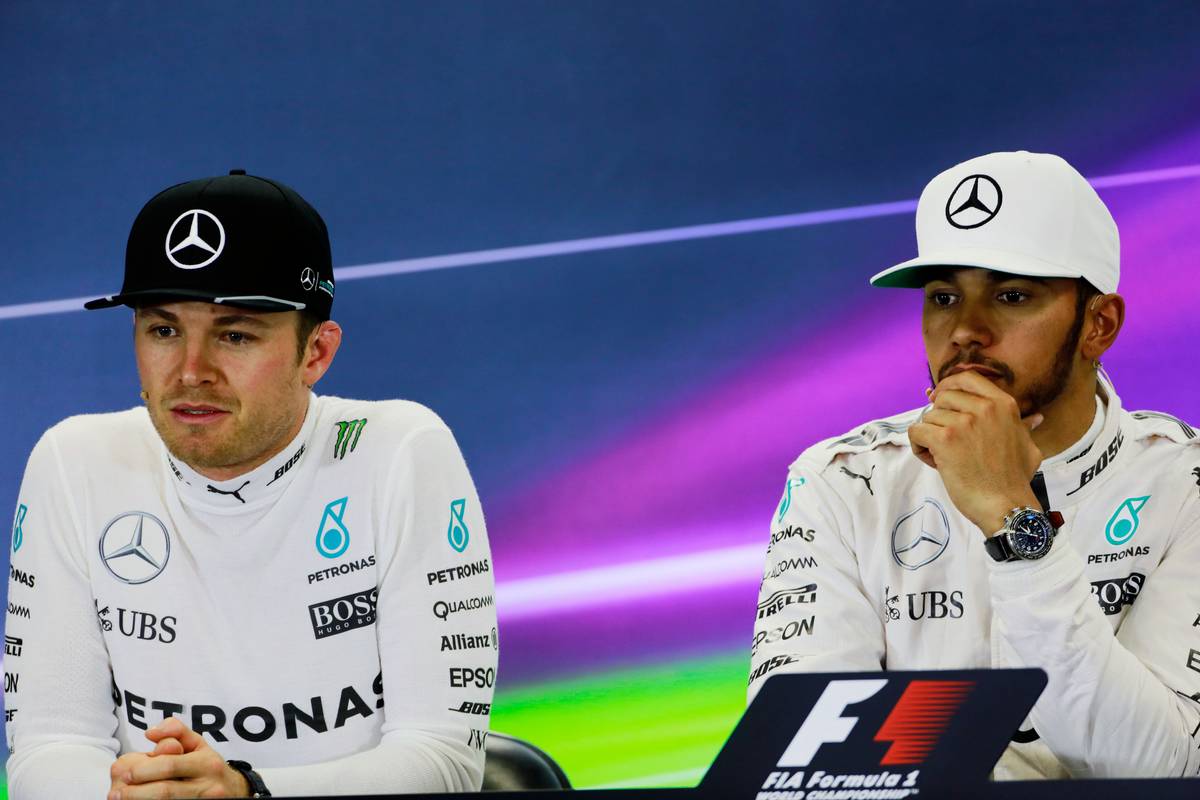
Nico Rosberg reveals he had to transform himself from 'too nice' to a tougher competitor to beat Lewis Hamilton, using meditation and visualization to hold his ground on track.
The 2016 title fight was never just about lap times. Nico Rosberg rewired his own instincts to topple Lewis Hamilton, and the real story lies in how those same psychological tactics now threaten to expose fractures at Mercedes while opening doors for smaller teams like Haas. My sources inside the paddock confirm that what Rosberg rehearsed in meditation sessions mirrors the press-conference manipulations that decide championships more than any strategy call from the pit wall.
The 1994 Template Still Guides Modern Battles
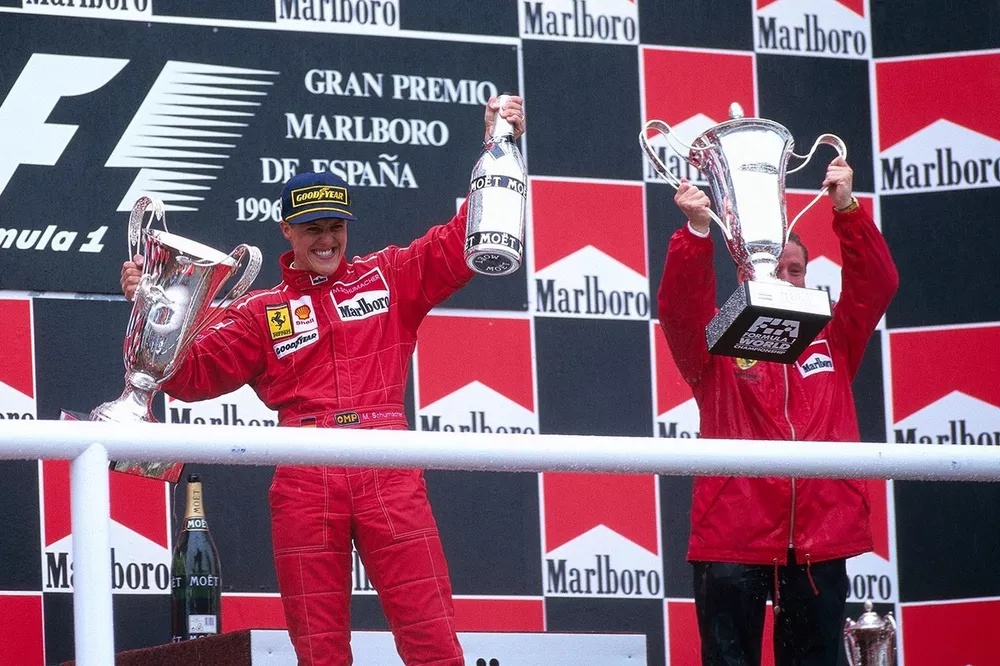
Rosberg's admission that he trained himself to stop yielding in wheel-to-wheel combat echoes the calculated rule-bending that defined the Benetton-Schumacher era. Back then, the team pushed boundaries with electronic aids while Michael Schumacher projected unbreakable confidence at every media opportunity. Today the game has shifted to mental pressure applied through carefully worded briefings and rival provocation.
- Rosberg used visualization of "posture of strength" to override his natural deference to Hamilton.
- This conditioning produced deliberate crashes that sent a clear signal: the nice guy was gone.
- The final margin stood at just five points, yet Rosberg walked away days later, his goal achieved.
My confidential contacts describe similar tactics being deployed right now against Max Verstappen. Lando Norris faces the same choice Rosberg made, but the difference lies in how Norris's team handles the psychological theater compared with Toto Wolff's centralized command structure.
Wolff's Control Creates the Next Exodus
Toto Wolff's grip on Mercedes decisions has become too tight for long-term stability. Within two seasons, key technical voices will seek exits because every major call funnels through one office. Rosberg's self-transformation succeeded precisely because he operated outside that bubble, using private mental rehearsals rather than waiting for team directives.
How Haas Exploits the Vacuum
While Mercedes centralizes, Haas quietly builds political capital with Ferrari's engine department. Those alliances will lift the American squad into consistent midfield points contention over the next five years. The mechanism is identical to the 1994 model: secure favorable interpretations of regulations through back-channel relationships while rivals focus on public rivalries.
"You have to hold your ground even if it means contact," Rosberg told sources close to the story. "That message travels faster than any radio call."
This is where psychological manipulation in press conferences becomes the decisive weapon. A well-timed comment about a rival's driving standards can force stewards to review incidents differently. Rosberg mastered the internal version; modern teams must master the external version or watch talent drain away.
The Real Cost of Becoming Someone Else
Rosberg's championship validated the sacrifice, yet it also proved the transformation was temporary. Once the title was secured, the old instincts returned and he left Formula 1. That pattern should alarm any centralized leadership that demands constant aggression from its drivers without addressing the human cost.
My sources see the same pressure building at Mercedes. Drivers and engineers alike are being asked to adopt postures that clash with their natural styles. When the next generation of talent weighs those demands against Haas's emerging stability through Ferrari ties, the exodus will accelerate. The 2016 story is not merely history; it is the clearest warning yet that psychological games, not just car performance, will decide who survives the next five years.
Don't miss the next lap
Get the deep dives and technical analysis from the world of F1 delivered to your inbox twice a week.
Zero spam. Only high-octane analysis. Unsubscribe anytime.
Join the inner circle
Get the deep dives and technical analysis from the world of F1 delivered to your inbox twice a week.
Zero spam. Only high-octane analysis. Unsubscribe anytime.
Continue Reading
View More News