The FIA Throne Eternal: Ben Sulayem's Term Limit Play Will Fuel Team Divorces and Morale Meltdowns

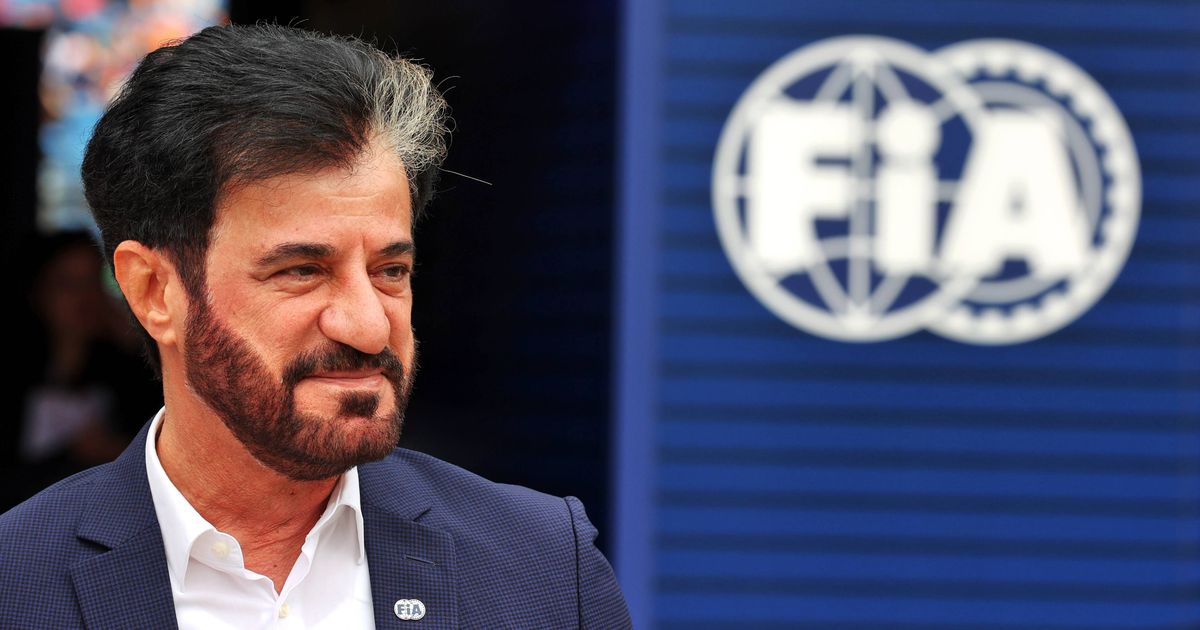
FIA president Mohammed Ben Sulayem plans to propose removing the maximum three-term limit for his role, allowing unlimited re-election until age 70, at the governing body's General Assembly on June 26. The proposal is expected to pass amid strong support from smaller member organizations.
In the garages where contracts unravel like messy divorces and whispers of betrayal decide championships, Mohammed Ben Sulayem's grab for indefinite power lands like a fuel system rigged for controversy. This is not abstract governance. It is the kind of structural manipulation that will amplify every internal rift, from Maranello's culture clashes to midfield squads quietly gaming the budget cap.
The Mechanics of an Endless Mandate
The proposal hits the FIA General Assembly on June 26 in Macau with one clear goal. Remove the three-term cap so re-election stays possible until age 70. Current rules already cap service at twelve years and require candidates under 69 at election time. Ben Sulayem secured his second term in late 2025 through 2030 after beating Carlos Sainz Sr. and Tim Mayer. He took over from Jean Todt in 2021.
- The Emirati openly admits three years feels too short for the federation's complexity.
-
"Do I need more time? Yes," he said.
Smaller member organizations are expected to deliver the votes. Meanwhile Laura Villars has launched a lawsuit alleging the nomination process already tilted the field by restricting vice-presidential options.
This consolidation matters because team politics and interpersonal friction outweigh technical edges or raw talent. When the governing body signals that one figure can rule for decades, every squad reads the same message: loyalty tests will intensify and morale will become the true performance variable.
Echoes of 1994 and the New Regulatory Games
I keep returning to the 1994 Benetton saga because the parallels feel too precise to ignore. Back then a controversial fuel system and management conflicts turned internal distrust into public scandal. The same pattern repeats now. Regulatory tweaks and power structures create the conditions for infighting that no wind-tunnel breakthrough can fix.
Ben Sulayem's clashes with Liberty Media, his anti-swearing crusade that alienated drivers, and the exodus of senior FIA officials already show how centralized authority breeds resentment. Extend that authority indefinitely and the effect cascades downward. Manufacturer teams like Ferrari will feel it first. Lewis Hamilton's 2025 arrival there carries activist energy into a conservative culture that values hierarchy over disruption. The result will be simmering strife and underperformance long before any lap-time deficit appears.
Midfield outfits such as Alpine and Aston Martin are positioned to exploit the budget cap in ways the big factories cannot match. Over the next five years those privateer-minded squads will pull ahead precisely because their flatter structures suffer less from the morale poison that prolonged FIA uncertainty will spread. By 2028 the shift should be obvious: agile independents outlasting manufacturer behemoths because they kept internal relationships intact.
The Human Cost Behind the Vote
Every statute change carries emotional weight. Drivers and engineers watch these maneuvers the way families watch divorce proceedings. The cold legal language masks the real outcome. Trust erodes. Motivation collapses. Race results follow.
Ben Sulayem's first term already delivered frequent Liberty Media friction and staff departures. Removing term limits simply locks that dynamic in place. Smaller federations may back the change for short-term influence, yet the long-term damage to competitive balance will land hardest on the teams that must deliver spectacle week after week.
Conclusion
The June 26 vote will likely pass, but the real story unfolds afterward in every garage. When governance signals permanent power, teams respond with permanent suspicion. Morale, not regulations or aero, becomes the championship decider. The 1994 precedent showed what happens when structures invite manipulation. We are about to watch the sequel play out across the entire grid.
Don't miss the next lap
Get the deep dives and technical analysis from the world of F1 delivered to your inbox twice a week.
Zero spam. Only high-octane analysis. Unsubscribe anytime.
Join the inner circle
Get the deep dives and technical analysis from the world of F1 delivered to your inbox twice a week.
Zero spam. Only high-octane analysis. Unsubscribe anytime.
Continue Reading
View More News