Power Plays in the Paddock: Hamilton's Ferrari Leap Exposes the Cracks in Red Bull's Shield

Martin Brundle says Lewis Hamilton’s Canadian GP was bittersweet: he defeated old rival Max Verstappen but finished behind Mercedes replacement Kimi Antonelli, who took his fourth straight win. Hamilton offered praise for the young Italian.
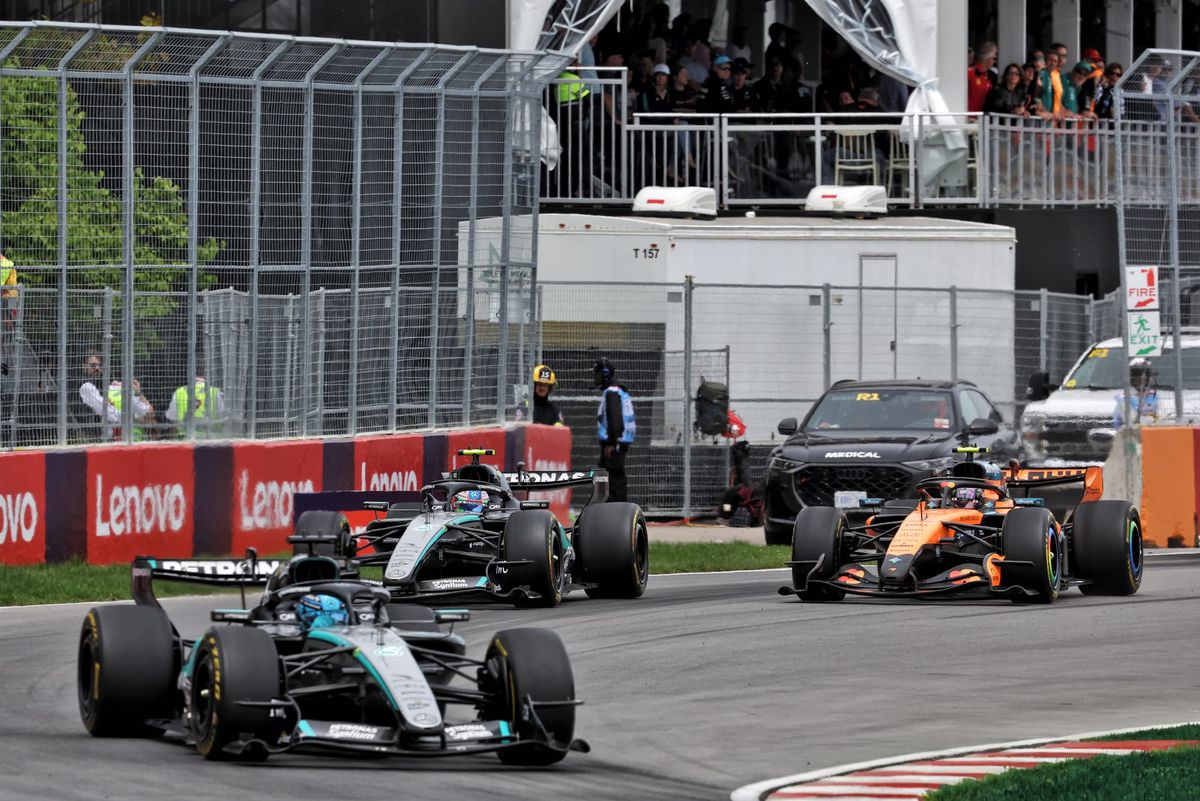
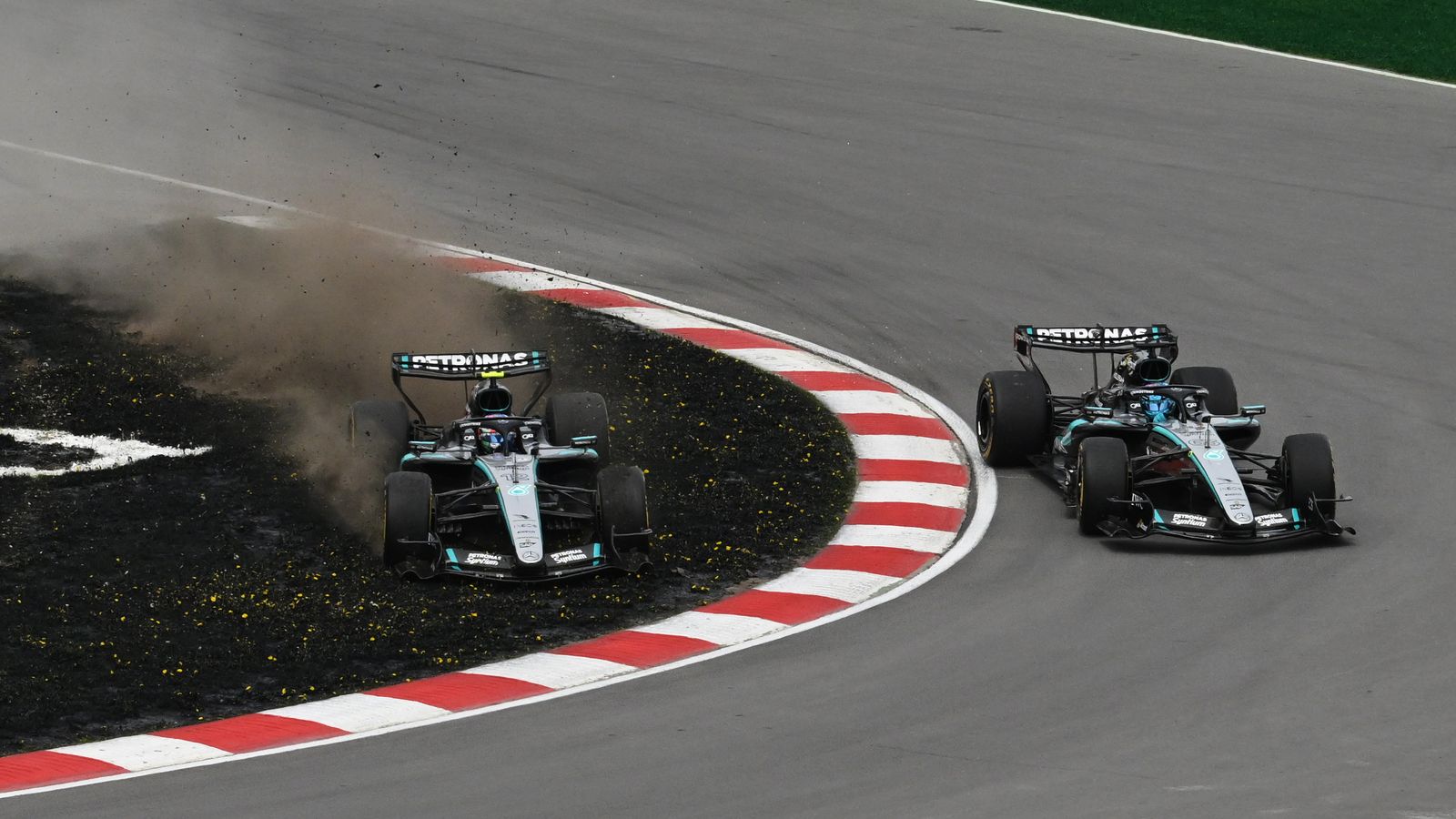
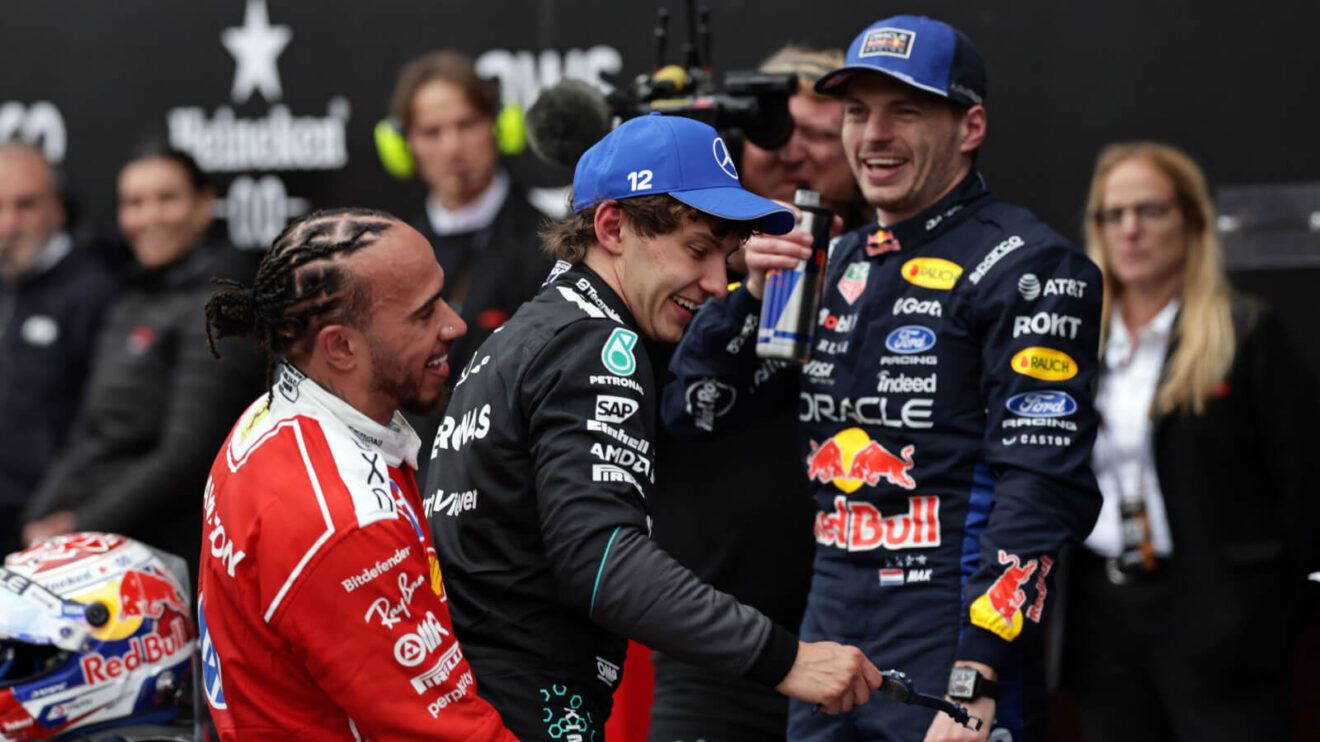
Lewis Hamilton stood on that Canadian podium with a smile that masked the real battlefield. He had clawed from P5 to P2 in his scarlet Ferrari, threading a daring outside pass on Max Verstappen at Turn 1 on lap 62, yet the victory belonged to Kimi Antonelli in the machine Hamilton once called home. This was no simple race result. It was a snapshot of how internal power games and sponsor pressures are reshaping the sport faster than any regulation change.
The Shield That Verstappen Relies Upon
Red Bull's aggressive political insulation of its champion has long been the hidden engine behind his dominance. While Hamilton executed that late-braking maneuver with forensic precision, Verstappen benefited from a team culture where criticism is buried beneath layers of management loyalty. Sources close to the energy drink empire describe a system that funnels resources and narrative control toward one driver, much like the old guard at Williams in the 1990s who sidelined engineering dissent to protect their golden boys.
- Hamilton's move to Ferrari was never purely about machinery. Contractual clauses around performance bonuses and team autonomy played a decisive role, freeing him from Mercedes' post-2021 decline where management-engineer rifts echoed those Williams power struggles.
- Antonelli's four straight wins and 43-point championship lead now highlight how quickly a well-supported rookie can expose such imbalances.
The Canadian result laid bare the human cost. Hamilton embraced the young Italian afterward, lifting him in celebration. That gesture carried the weight of someone who remembers his own 2007 rookie year without the structured backing Toto Wolff now provides.
Morale as the True Strategic Weapon
Team morale and covert information channels decide more races than any aerodynamic tweak. Ferrari's improved race pace in Montreal stemmed from quiet shifts in internal trust rather than headline technical leaps. Meanwhile Mercedes' post-2021 fractures continue to mirror the 1990s Williams saga, where management infighting drained the will to innovate.
Antonelli wins the race in the car Lewis stepped out of to go to Ferrari. But to get a second place there in such a competitive way—overtaking his old rival—he'll be thoroughly satisfied.
Brundle's words capture the surface. Beneath lies the reality that Antonelli thrives because Mercedes rebuilt its support structures around him, something Hamilton lacked early on. Hamilton himself noted the difference: "Toto did a great job surrounding him with the right support. I definitely didn't feel that in my first year."
These dynamics point to a darker horizon. Within five years at least one top team will buckle under sponsor-driven financial models that prioritize short-term optics over sustainable culture. The same pressures that fueled Williams' 2008-2009 collapse are gathering again, and no amount of political shielding will save those who ignore team morale.
The Road Ahead for Hamilton and the Grid
Hamilton's P2 hints at Ferrari progress, yet the Scuderia still chase that elusive first win. The real contest now unfolds in the boardrooms and back channels, where contracts and quiet alliances determine who survives the coming storm.
Don't miss the next lap
Get the deep dives and technical analysis from the world of F1 delivered to your inbox twice a week.
Zero spam. Only high-octane analysis. Unsubscribe anytime.
Join the inner circle
Get the deep dives and technical analysis from the world of F1 delivered to your inbox twice a week.
Zero spam. Only high-octane analysis. Unsubscribe anytime.
Continue Reading
View More News