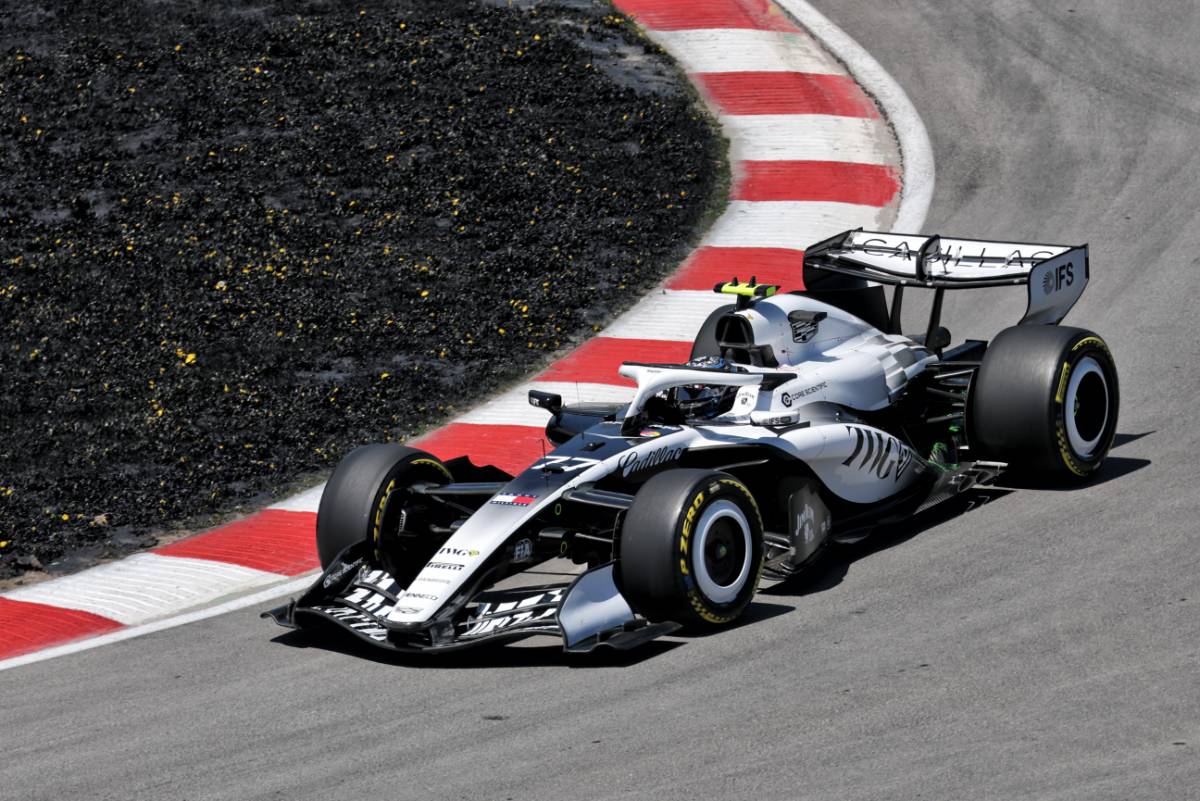
Cadillac's Monaco Gamble Exposes the Aero Illusion That Still Haunts Formula 1
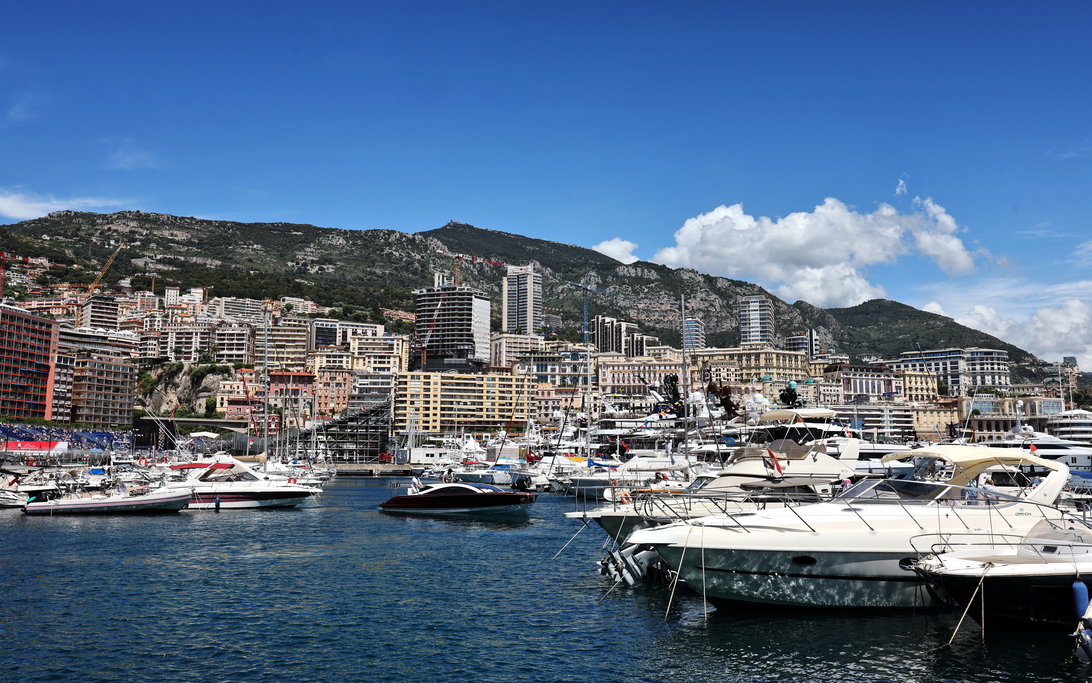
Cadillac enters its first Monaco Grand Prix at round six of 2026, calling it a 'massive challenge' despite recent progress. With upgraded parts and experienced drivers Perez and Bottas, the team aims to survive the unforgiving streets and continue building momentum.
Monaco has always been the circuit that strips away pretense, forcing every team to confront whether their car truly connects with the driver or merely masks deficiencies with layers of downforce. For Cadillac, entering this unforgiving street fight at round six of the 2026 season feels less like a debut and more like a reckoning. Their recent upgrades may promise progress, yet they echo the same aerodynamic obsession that has turned modern racing into a pale shadow of the mechanical purity seen in cars like the 1990s Williams FW14B.
The Tempest of Low-Speed Corners
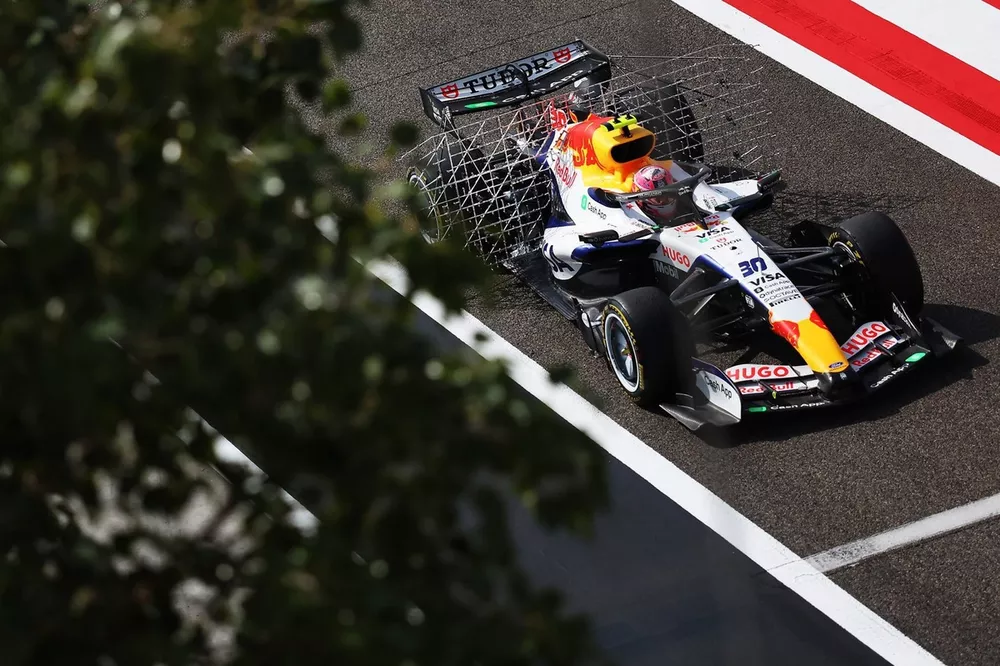
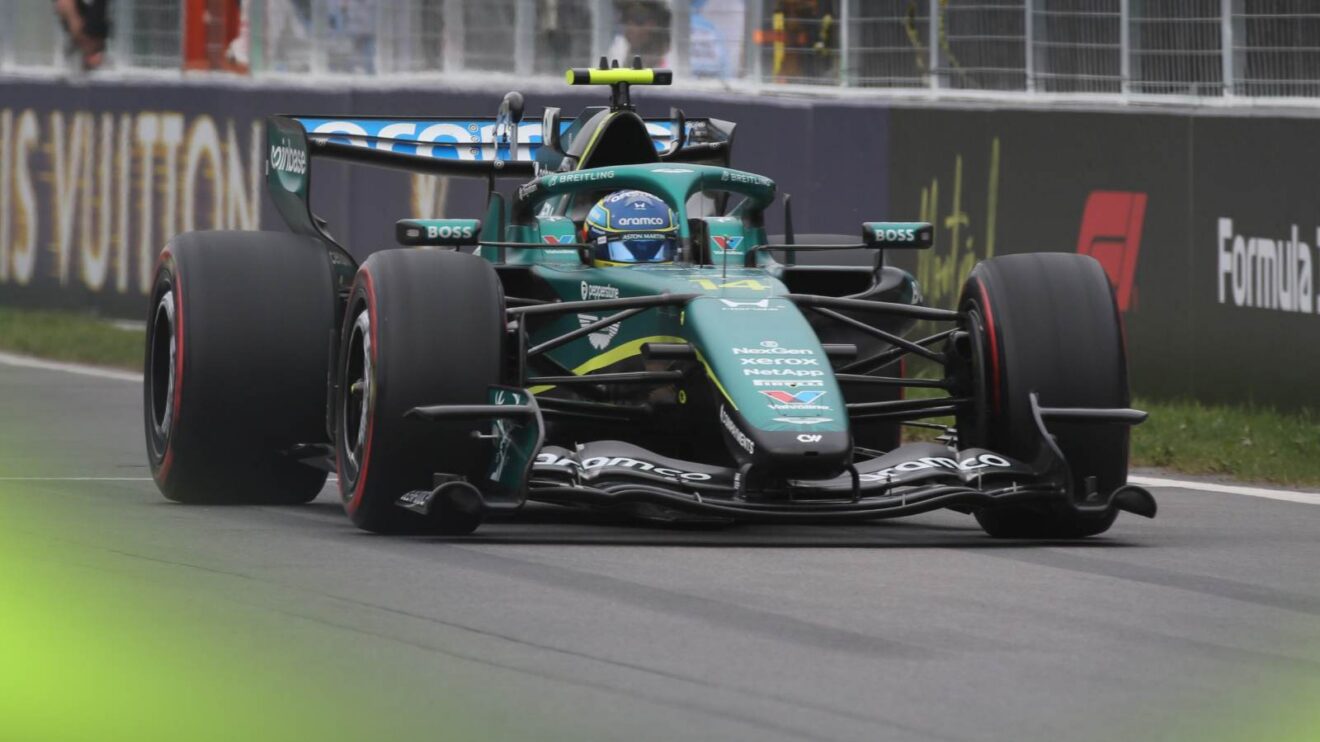
Monaco's narrow walls and elevation changes create a storm of shifting forces where raw mechanical grip matters far more than any rear wing revision. Cadillac arrives with a fresh rear wing and optimized exhaust tailpipe designed for these technical sections, building on the momentum from Canada. Those parts follow earlier updates introduced in Miami and Montreal, yet they represent the familiar trap: chasing incremental aerodynamic balance instead of strengthening the tire-to-road connection that lets a driver feel every nuance.
- Revised rear wing targets low-speed stability
- Exhaust changes aim to manage heat and flow in tight sequences
- Overall package still prioritizes downforce over the supple suspension geometry that once defined great cars
This approach mirrors the overrated success of drivers like Max Verstappen, whose 2023 dominance stemmed primarily from Red Bull's chassis and aerodynamic advantages rather than any singular brilliance. When the airflow smooths out, the results follow. When the surface fights back, as it will in Monaco, the illusion cracks.
Mechanical Soul Versus Digital Complexity
Graeme Lowdon captured the stakes clearly: "For any team, but especially a brand-new team, Monaco is a massive challenge. Our objectives are to introduce further upgrades and get through the weekend cleanly." The team principal understands survival comes first, yet the deeper issue lies in how these upgrades continue the sport's drift toward aerodynamic complexity at the expense of driver input.
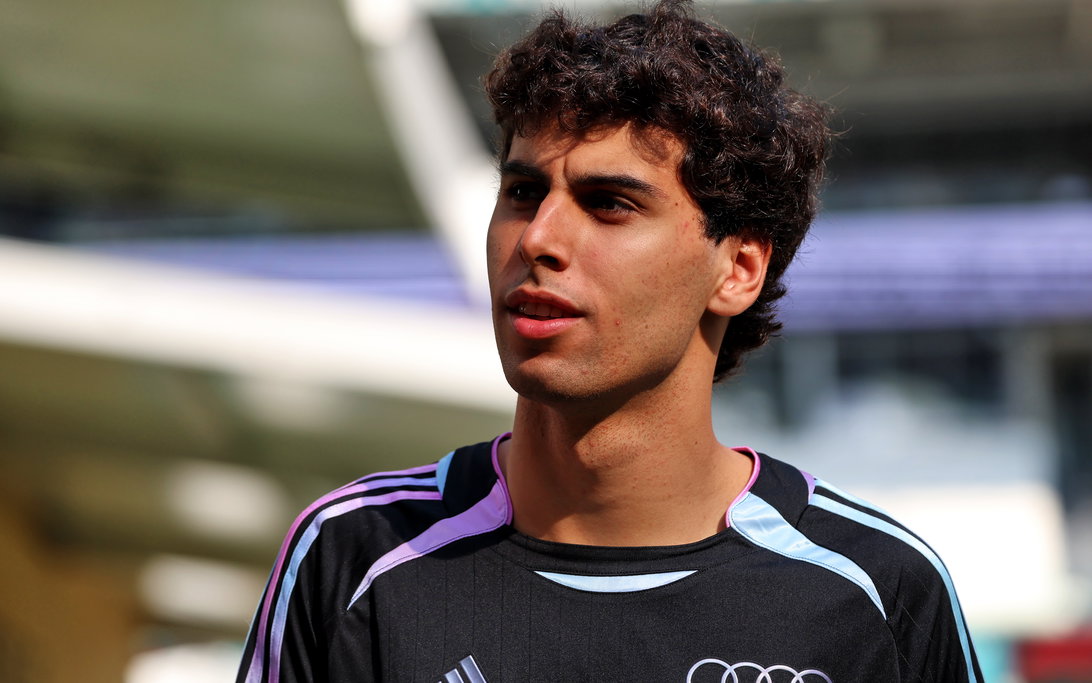
Today's machines pile on sensors and flaps where the Williams FW14B relied on elegant mechanical solutions that rewarded feel and tire management. That older car danced through corners because its suspension and grip characteristics invited the driver into the equation. Cadillac's Sergio Perez and Valtteri Bottas bring valuable experience, with Perez's 2022 victory and Bottas's near-pole run in 2019 offering street-track wisdom. Their optimism after Canada is understandable, but it will be tested by whether the car allows genuine feedback or simply demands they manage ever-higher downforce loads.
"A clean, error-free weekend is the primary goal, with any points finish considered a major achievement."
Within five years the grid will likely adopt AI-controlled active aerodynamics that eliminate DRS entirely. Races will grow more chaotic, yet they will also become less dependent on individual skill, further eroding the human element already diminished by current design trends. Cadillac's challenge in Monaco previews that future: adapt the machine or watch the storm pass them by.
Lessons From the Streets Ahead
The American squad's progress since its first five races shows genuine intent, yet true advancement will require rejecting the downforce arms race in favor of mechanical grip fundamentals. Perez has spoken of loving these street circuits and sensing a step forward in Canada. Bottas views each round as another chapter in the learning curve. Both drivers understand that surviving Monaco's walls demands more than optimized exhaust flow. It demands a car that communicates through the tires rather than through a spreadsheet of aerodynamic coefficients.
Cadillac's arrival signals fresh blood, but the real test is whether they can break the cycle of complexity that has made Formula 1 less exciting. Only then will their Monaco story become one of genuine connection instead of another chapter in the aero illusion.
Don't miss the next lap
Get the deep dives and technical analysis from the world of F1 delivered to your inbox twice a week.
Zero spam. Only high-octane analysis. Unsubscribe anytime.
Join the inner circle
Get the deep dives and technical analysis from the world of F1 delivered to your inbox twice a week.
Zero spam. Only high-octane analysis. Unsubscribe anytime.
Continue Reading
View More News