Carlos Sainz: Active Aero 'DRS Trains' Are F1's Next Big Problem
Carlos Sainz warns that the new active aero wings in 2026 create 'DRS trains' making overtaking impossible, urging F1 and FIA to find a solution after recent engine rule tweaks.
Carlos Sainz is calling on F1 and the FIA to tackle a looming issue created by the 2026 active aero regulations: the return of the dreaded "DRS train."
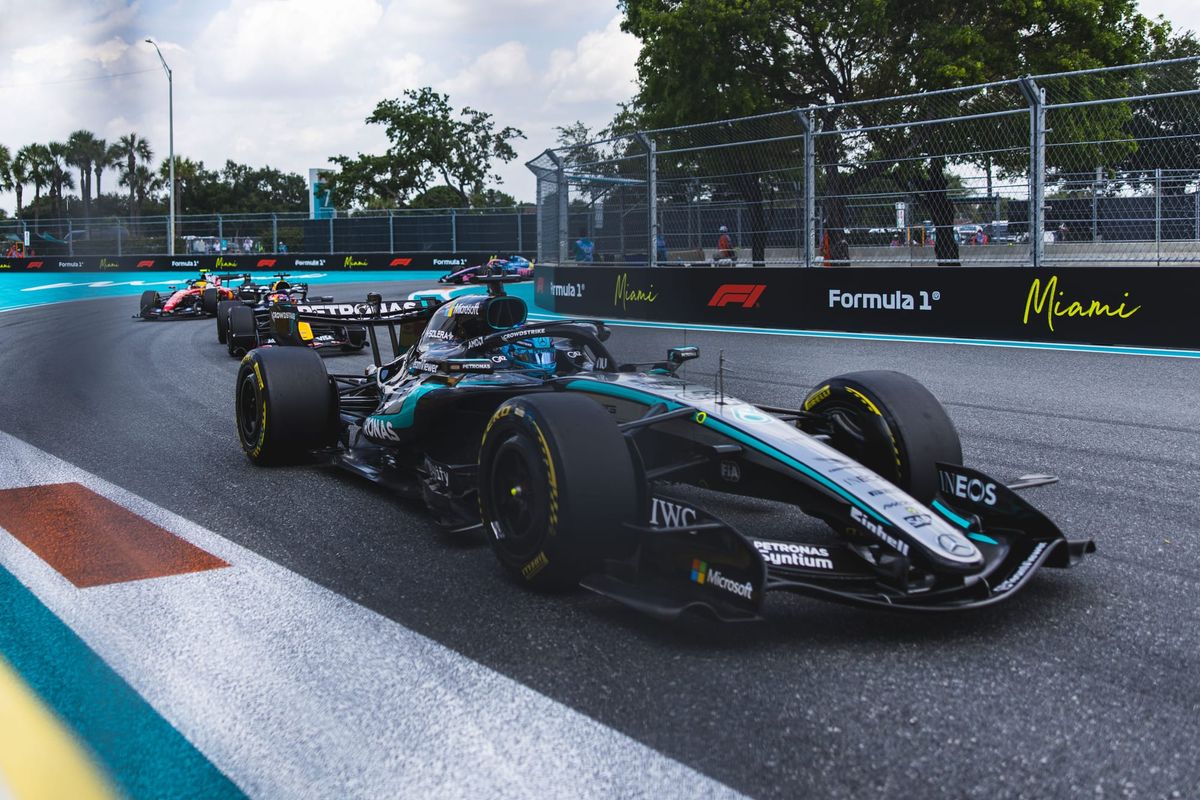
Unlike the current system, where DRS is only available to the chasing driver within one second of the car ahead, the 2026 rules allow every driver to open both front and rear wings in dedicated zones on every lap. The intent was to compensate for heavier cars and higher drag, but early testing—particularly in Miami—has shown that when multiple cars use the system, trains form and overtaking becomes nearly impossible.
Why it matters:
- Racing quality: If the 2026 regulations produce processional trains, it could undermine the spectacle F1 has built over recent years.
- Driver feedback: Sainz is one of the most experienced voices on the grid; his public push gives the issue weight.
- Timing: With engine rule changes already tweaked for 2027, the focus is shifting to the aero formula's on-track behavior.
The details:
- The core problem: When the leading car activates its low-drag mode (straight mode), the following car loses the slipstream advantage, making overtaking "impossible" according to Sainz.
- No DRS threshold: Because every driver can use the system every lap, trains form quickly—similar to the old DRS trains but now with all cars equally equipped.
- Sainz's tone: He praised the FIA for listening on intermediate tyre concerns and bringing forward the race in Miami, saying "you cannot fault them" and that everyone is "working in the same direction." He wants productive solutions, not just criticism.
What's next:
Sainz believes the racing itself isn't the real problem of the new regulations—qualifying still needs work—but the active aero overtaking puzzle must be solved.
- The FIA has already shown willingness to adjust rules mid-cycle, as seen with the 2027 engine power split tweak.
- Further aero or DRS zone modifications could be on the table before 2026 debut, but time is tight.
- Sainz's message: "This is not good enough for F1" — expect more driver pressure in the months ahead.
Don't miss the next lap
Get the deep dives and technical analysis from the world of F1 delivered to your inbox twice a week.
Zero spam. Only high-octane analysis. Unsubscribe anytime.
Join the inner circle
Get the deep dives and technical analysis from the world of F1 delivered to your inbox twice a week.
Zero spam. Only high-octane analysis. Unsubscribe anytime.