Charles Leclerc Delivers Verdict on 'Dangerous' F1 Racing Scenarios
Charles Leclerc says F1's new regulations are creating "dangerous scenarios," forcing drivers to race differently. His warning follows Oliver Bearman's high-speed crash in Japan, blamed on extreme closing speeds. The FIA faces pressure to find a safety solution in critical meetings this month, with a pivotal vote scheduled for April 20.
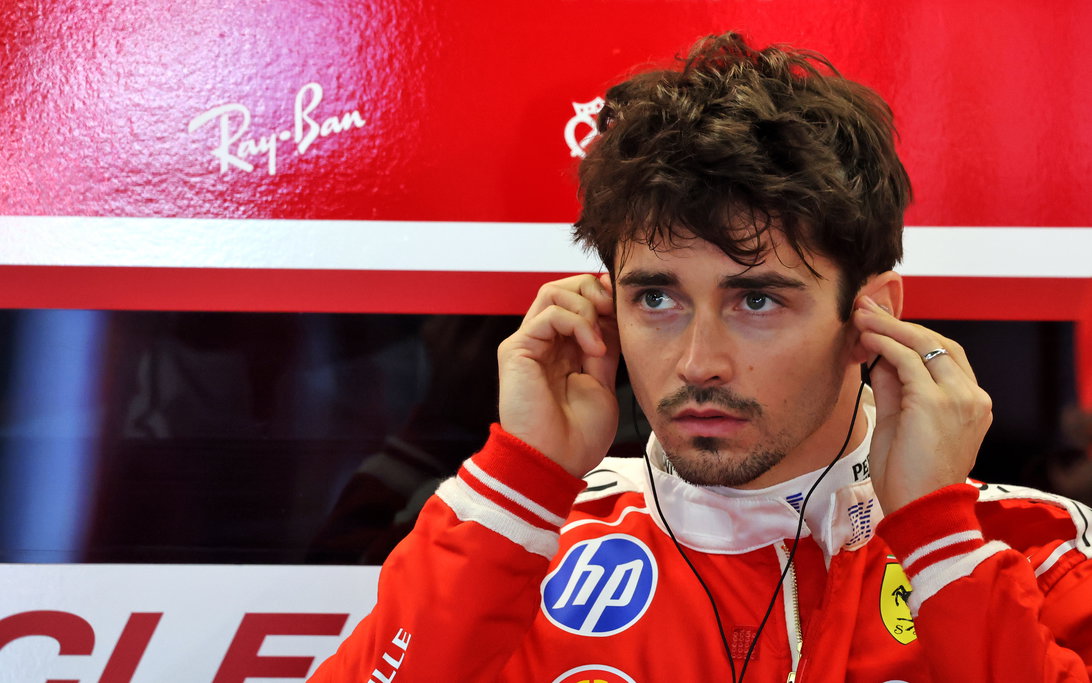
Ferrari's Charles Leclerc has stated there is "no doubt" that drivers must race differently under the new F1 regulations, which he says are creating "dangerous scenarios" due to massive speed differentials. His comments add to a growing chorus of driver safety concerns as the FIA prepares for critical meetings this month that could reshape the controversial rules.
Why it matters:
Driver safety has become the central flashpoint of the new regulatory era. The core issue—extreme closing speeds created by the energy management system—fundamentally changes the risk calculus during wheel-to-wheel combat. With a major vote scheduled for April 20, the sport's governing body faces pressure to find a solution that preserves close racing without compromising driver safety.
The Details:
- Leclerc's Verdict: The Ferrari driver was unequivocal, stating the cars require a different racing approach. He pinpointed the act of "changing direction whenever you are super clipping" as a primary cause of dangerous situations.
- A Stark Warning: The safety fears were realized at the Japanese Grand Prix, where Haas rookie Oliver Bearman suffered a frightening 50G crash. The incident was caused by a closing speed of over 50kph to Alpine's Franco Colapinto, forcing Bearman onto the grass and into the barriers at Spoon Curve.
- Driver Consensus: Leclerc is not alone. Williams driver and GPDA director Carlos Sainz called such a crash "inevitable," arguing that a 50 kph speed delta "is actually not racing." Leclerc also referenced his own intense battle with George Russell in Australia, where Russell labeled one defensive move "very dangerous."
- The Regulatory Crossroads: The FIA is holding a series of meetings with the F1 Commission (comprising the FIA, FOM, teams, and manufacturers) on April 15, 16, and 20. The outcome will determine if tweaks to energy management parameters can address the safety crisis.
What's Next:
The paddock appears divided on the scale of change needed. While acknowledging qualifying needs "definite tweaks," Leclerc suggested the racing format has merit and that drivers themselves must adjust their defending techniques. The upcoming FIA vote will test whether proposed technical adjustments can sufficiently mitigate the risks or if more fundamental changes are required to prevent the next major incident.
Don't miss the next lap
Get the deep dives and technical analysis from the world of F1 delivered to your inbox twice a week.
Zero spam. Only high-octane analysis. Unsubscribe anytime.
Join the inner circle
Get the deep dives and technical analysis from the world of F1 delivered to your inbox twice a week.
Zero spam. Only high-octane analysis. Unsubscribe anytime.