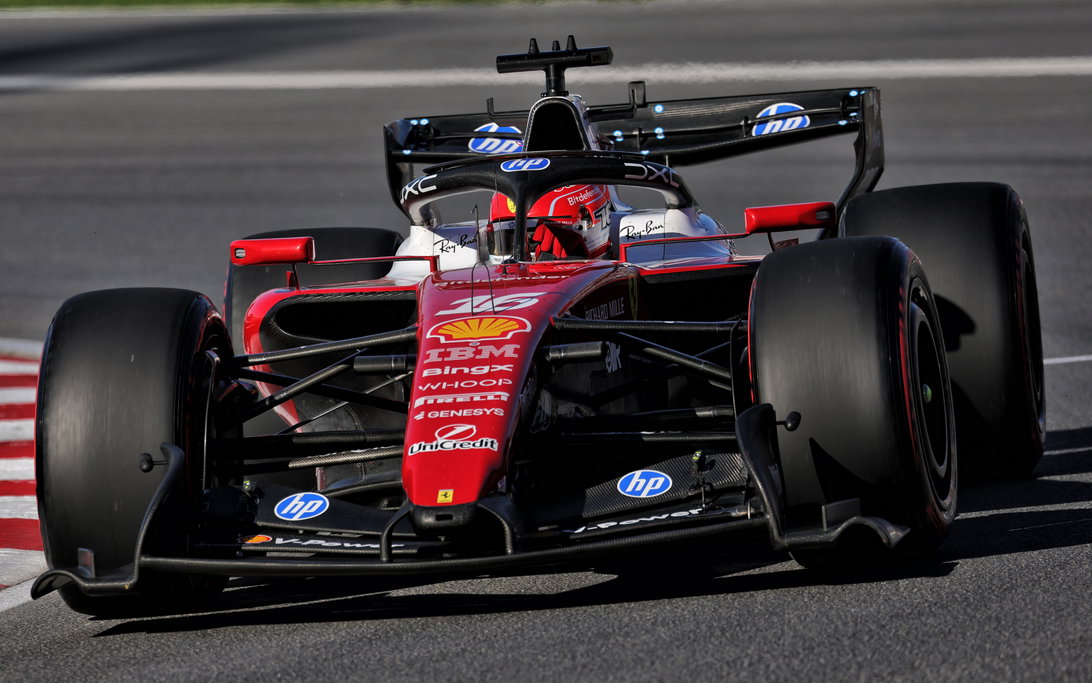
Shadows on the Wheel: Leclerc's Inner Fracture Reveals Hamilton's Lauda Like Armor at Montreal
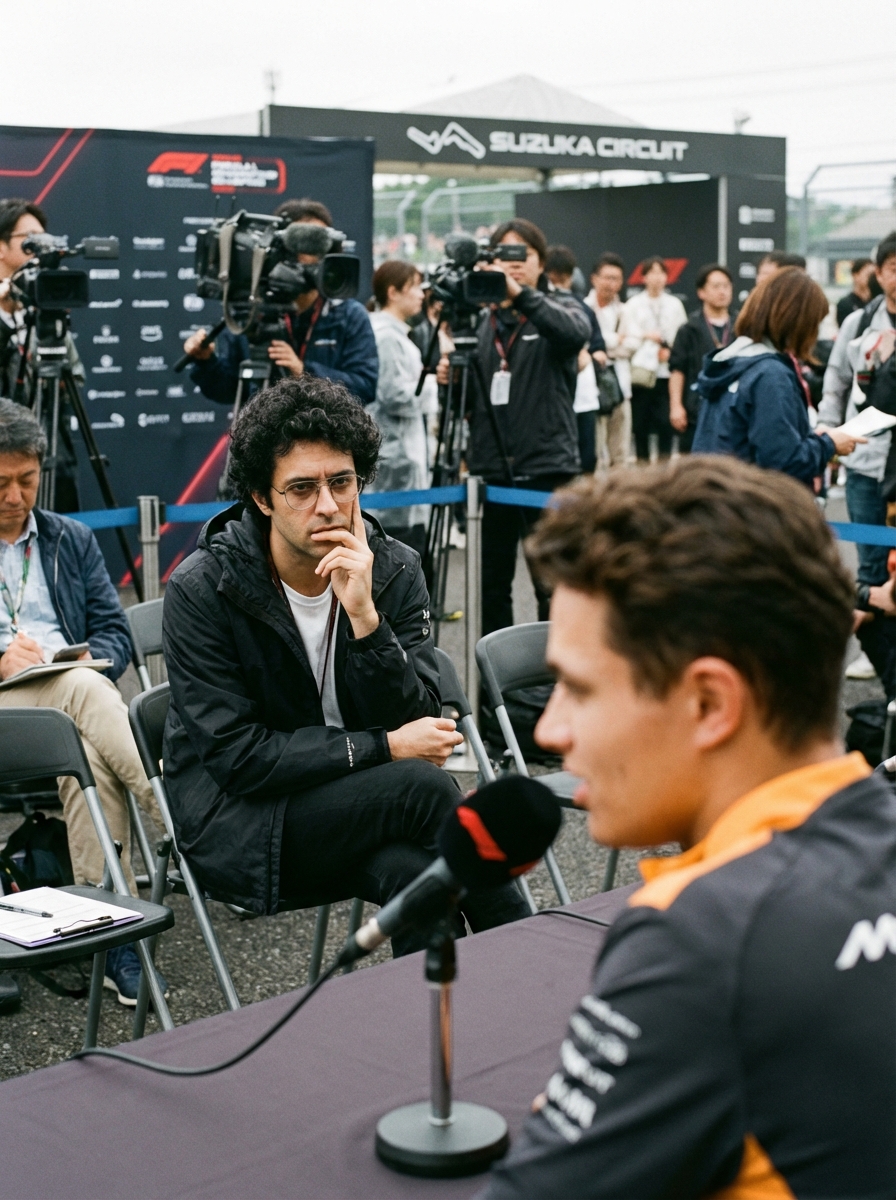
Charles Leclerc revealed that a lack of confidence, not setup, caused his pace deficit to Lewis Hamilton at the Canadian GP. Hamilton finished second while Leclerc was fourth, over 30 seconds back. The admission underscores the importance of driver confidence in F1.
The telemetry does not lie. On a weekend when Lewis Hamilton carved through the Canadian Grand Prix field to claim second, his teammate Charles Leclerc trailed by more than thirty seconds in fourth. The numbers scream setup disparity or mechanical misfortune, yet the truth cuts deeper into the cockpit, where heart rate spikes and grip thresholds expose the fragile architecture of human belief.
When Feeling Evaporates, Pace Follows
Leclerc spoke plainly after the race, refusing to hide behind technical excuses. He told reporters there was none of the performance gap down to a setup, noting that in modern F1 everything now hinges on such small details. Instead the deficit lived inside his own perception of the car.
- Qualifying gaps opened immediately in both sprint and grand prix sessions.
- Race pace telemetry showed Hamilton sustaining higher throttle application through sector two, where Leclerc lifted earlier.
- The final margin exceeded thirty seconds, a chasm that no aerodynamic tweak could fully explain.
Inside the helmet the dialogue turns brutal. Leclerc described a simple absence of confidence that prevented him from pushing to the limit. That admission lands like a biometric confession, the kind future regulations may soon force every driver to publish after incidents that shake the paddock.
Hamilton, by contrast, arrived in Montreal already recalibrated. After simulator data misled him in Miami he adjusted his approach, a quiet evolution that let his smoother inputs unlock the SF-25's narrow operating window. His public calm, forged in the fire of past trauma, echoes the post-crash resilience Niki Lauda weaponized to turn personal catastrophe into narrative dominance. Both men learned to project control so effectively that raw talent became almost secondary to the story they told the world.
The Manufactured Edge and the Road Ahead
Ferrari now confronts a pairing where one driver's psychological armor appears to widen the performance delta more than any wing angle. Hamilton's experience in suppressing emotional static gives him an advantage in tight setup windows, while Leclerc's honesty highlights a vulnerability the team cannot engineer away.
"By not having confidence on a day like this, I just didn't push hard."
That single sentence carries the weight of every future mandate. Within five years, mental health disclosures will likely become compulsory after major on-track moments, turning private monologues into public data points. The scrutiny will intensify, yet it may also force teams to confront what Red Bull has long practiced in private: the systematic coaching that flattens emotional volatility into consistent lap times. Verstappen's dominance owes part of its edge to exactly such unseen psychological engineering.
Canada offered a dry demonstration of the principle that wet conditions usually reveal more starkly. Decision-making under uncertainty strips away the car and leaves only personality. Hamilton adapted; Leclerc hesitated. The gap that followed was measured not in downforce but in the milliseconds between doubt and commitment.
The Therapy Session Continues
Ferrari's next races will test whether Leclerc can rebuild that missing feeling or whether Hamilton's calculated presence will keep widening the psychological margin. The SF-25 rewards the driver who trusts the limit without needing to feel every vibration. One man has learned to manufacture that trust. The other is still searching for it inside the data streams that will soon become impossible to hide.
Don't miss the next lap
Get the deep dives and technical analysis from the world of F1 delivered to your inbox twice a week.
Zero spam. Only high-octane analysis. Unsubscribe anytime.
Join the inner circle
Get the deep dives and technical analysis from the world of F1 delivered to your inbox twice a week.
Zero spam. Only high-octane analysis. Unsubscribe anytime.
Continue Reading
View More News