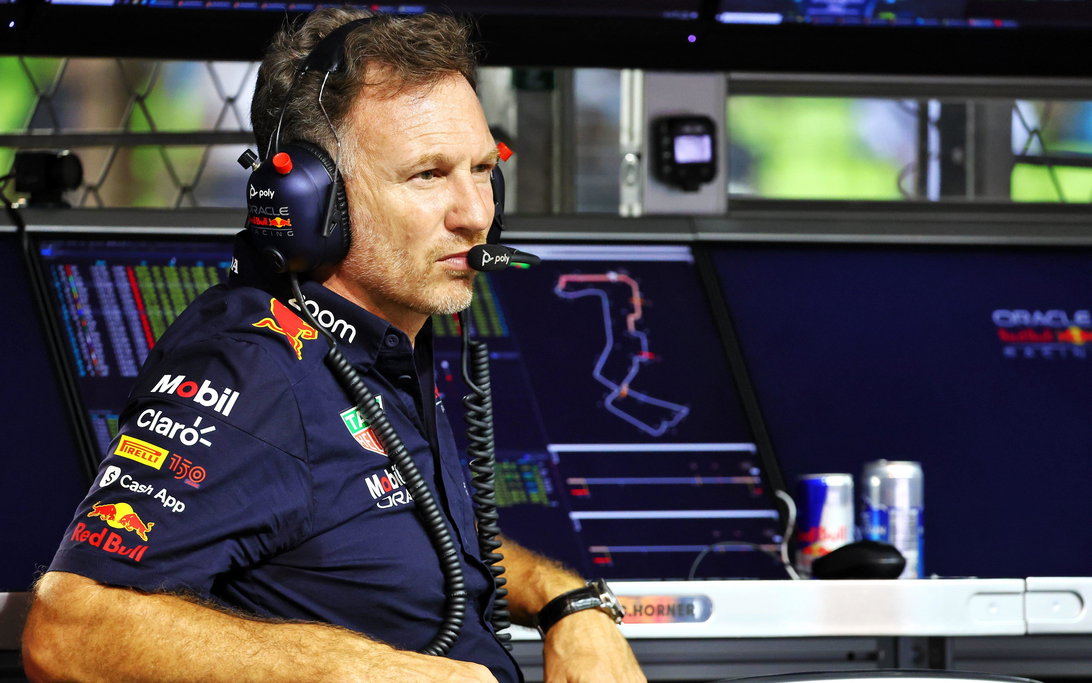
Christian Horner Vindicated as FIA Shifts 2027 Power Unit Rules Toward His Proposed 60-40 Split
Three years after Christian Horner warned that the 2026 power unit regulations would create flawed cars, the FIA has finally adopted a 60-40 combustion-to-electrical energy split for 2027, validating his concerns as drivers struggled all season.
Christian Horner's 2023 prediction that the 2026 power unit regulations would produce 'technical Frankenstein' cars has been fully vindicated. After a season of driver complaints – led by Max Verstappen – and piecemeal fixes, the FIA has confirmed a fundamental hardware change for 2027 that shifts the energy split to the 60-40 ratio Horner originally championed.
Why it matters:
Horner's foresight, dismissed at the time by Toto Wolff and others as self-serving, has proven correct. The 2026 cars have been plagued by battery deployment issues on straights, forcing drivers into lift-and-coast scenarios and widespread dissatisfaction. The FIA's belated adoption of Horner's proposed split will reshape power unit development and could erode any early advantage Mercedes held.
The details:
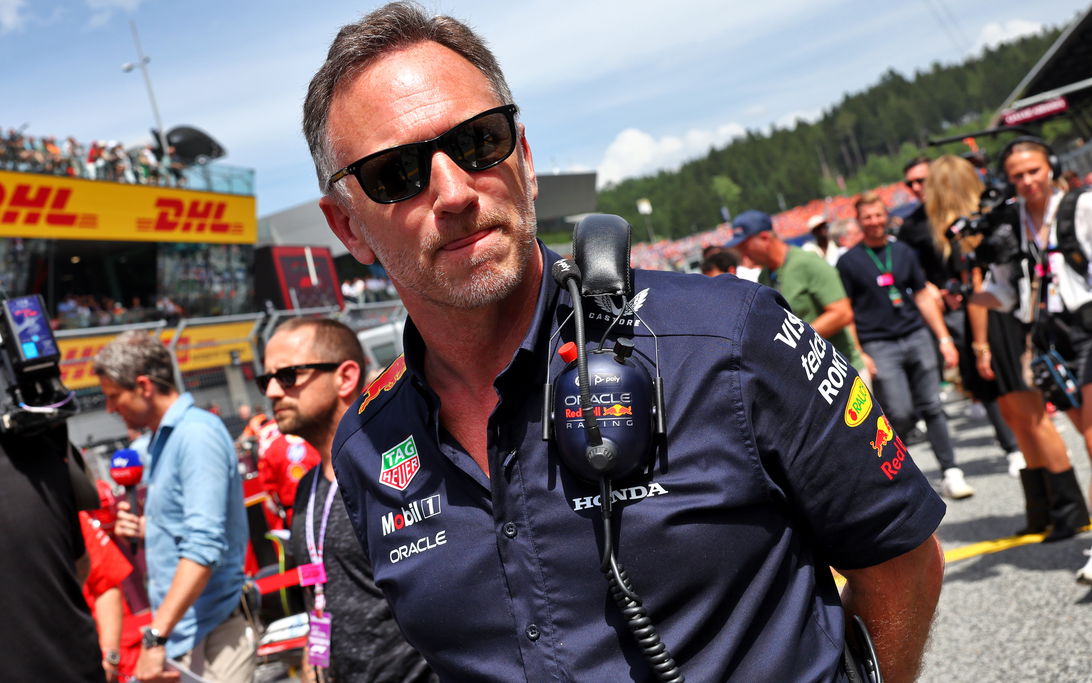
- Origin: In 2023, during PU regulation development, Horner (then Red Bull team principal) argued the combustion-to-electrical split needed to be 60-40 to avoid chassis compromises and driveability problems.
- Opposition: Mercedes' Wolff led the pushback, as Mercedes was ahead in PU development and didn't want to cede advantage. Some speculated Red Bull was simply struggling with its first in-house PU – a claim that proved false.
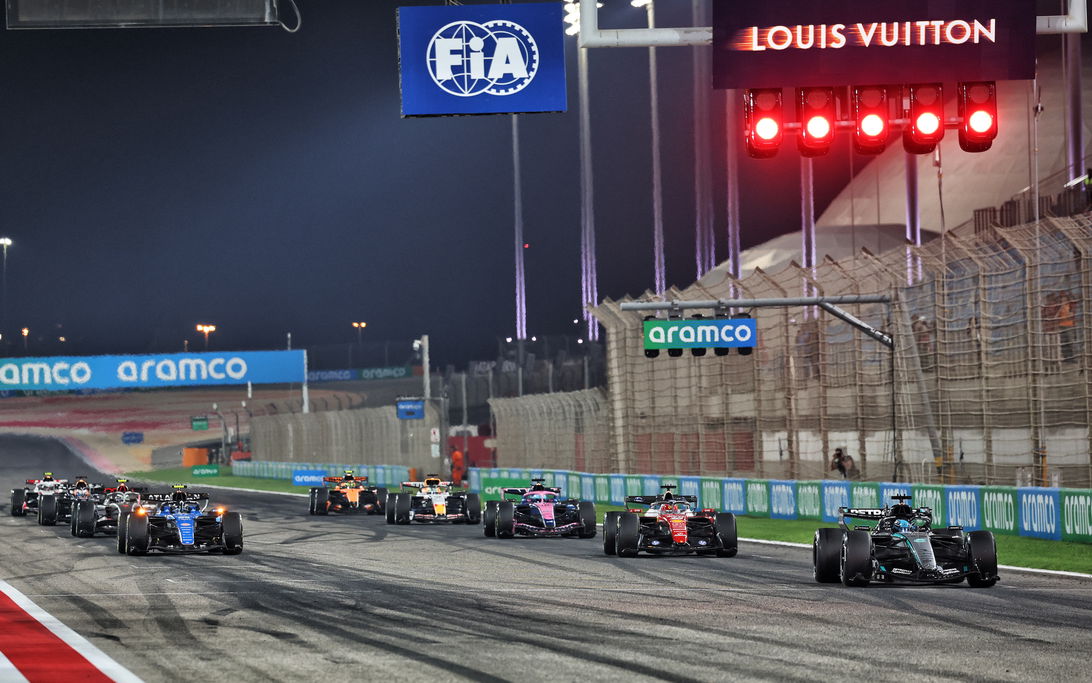
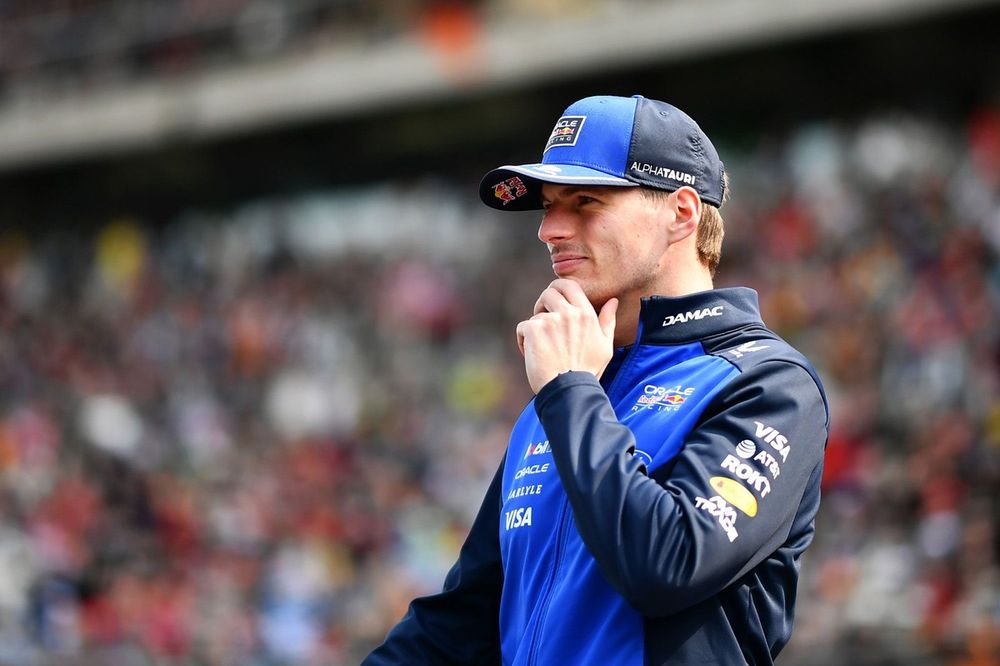
- 2026 season reality: From pre-season testing through the first three races (Australia, China, Japan), Verstappen and other drivers condemned the cars. McLaren's Andrea Stella also demanded changes. Minor tweaks at Miami were deemed insufficient by the drivers.
- FIA action: After Miami meetings, the FIA announced for 2027: ICE power increased by 50kW via fuel-flow boost, electrical output reduced from 350kW to 300kW – effectively a shift toward Horner's 60-40 split.
What's next:
The 2027 changes will require power unit manufacturers to recalibrate their designs. For Red Bull Powertrains (partnered with Ford), which already delivered a competitive 2026 unit despite Verstappen's dislike, this rule shift could solidify their position. Horner, now vindicated, can watch as the sport aligns with his vision.
Don't miss the next lap
Get the deep dives and technical analysis from the world of F1 delivered to your inbox twice a week.
Zero spam. Only high-octane analysis. Unsubscribe anytime.
Join the inner circle
Get the deep dives and technical analysis from the world of F1 delivered to your inbox twice a week.
Zero spam. Only high-octane analysis. Unsubscribe anytime.
Continue Reading
View More News