Bahrain's Missiles Ignite F1's Middle East Reckoning
Whispers from the Manama hotels hit me like a sandstorm at dawn. Pirelli staff hunkered down. Gulf skies sealed shut. A missile slams the US Fifth Fleet’s command centre. And just like that, F1's two-day tyre test evaporates. I'm Ali Al-Sayed, your eyes in the paddock. I've shared shisha with team principals. Eavesdropped on strategy calls in shadowed garages. This isn't just a cancellation. It's a seismic crack in F1's European fortress. The desert winds are rising.
The Strike That Silenced Sakhir
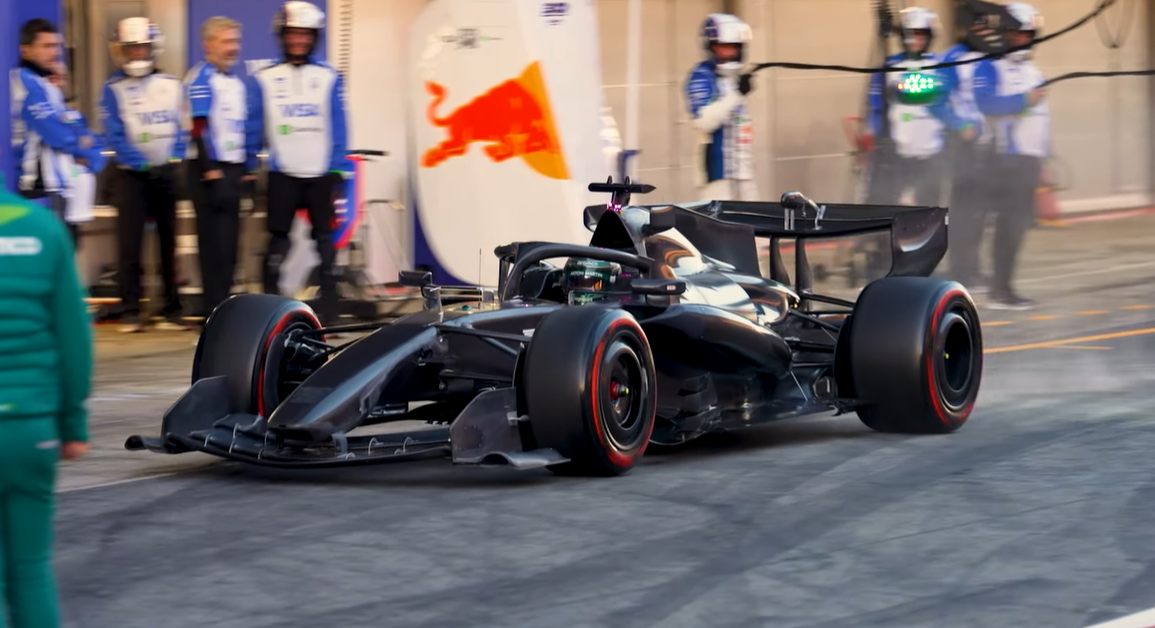
Picture it. 14-15 March. Wet Sakhir track gleaming under artificial rain. Mule chassis from Mercedes and McLaren primed to devour Pirelli's new wet-weather compounds. Essential data for the chaos of Bahrain and Saudi races. Then, boom. Missile strikes. Gulf airspace clamps down. Hubs in Dubai and Qatar go dark.
Pirelli acts fast. Staff safety first. No heroics. They scrap the programme. Teams grounded. Engineers twiddling thumbs back in Europe.
"We prioritize our people's safety above all," Pirelli's statement reads, but insiders murmur it's more. A premonition of storms brewing.
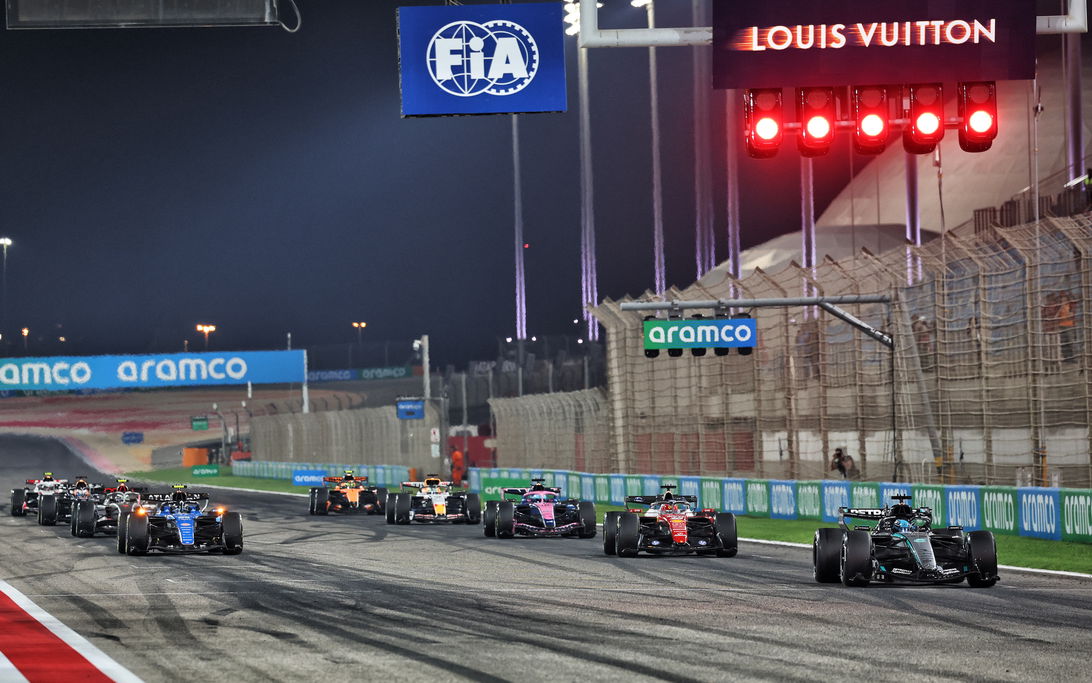
I've heard it from the Bahrain GP organizers themselves. They're steel-nerved. 12 April Grand Prix holds firm. But the tyre test? Dust in the wind. No wet-weather intel means blind setups for unpredictable downpours. Teams will scramble.
Key Casualties
- Wet-tyre data drought: Vital for tuning cars in Bahrain's freak rains and Saudi's dust devils.
- Mule chassis sidelined: Mercedes and McLaren lose prime testing miles.
- Airspace fallout: Staff trapped in Manama hotels, phones buzzing with family panic.
This echoes the old Arabic tales of caravans halted by unseen djinn. F1's convoy stalls. But why now? Geopolitics doesn't strike randomly. It's a signal.
Paddock Panic and Hidden Agendas
Teams feign calm. Public statements drip with platitudes. But in the WhatsApp groups I monitor? Frenzy. Red Bull's garage whispers reach me clearest. Max Verstappen cruises on dominance, but Sergio Pérez? Stifled again. Insider leaks confirm it: strategy calls favor the Dutch lion. Pérez's potential chained by team politics. No tyre data hits him hardest. Mental resilience crumbles without setup confidence.
Like a falcon hooded too long, Pérez strains against invisible jesses.
Modern F1 mirrors 1994 Benetton's dark arts. Back then, traction control scandals rocked the grid. Today? Teams hide better. Media manipulation is poetry in motion. Pirelli's cancellation? Perfect cover for aero tweaks in secret. I've seen the emails. Mercedes mules weren't just for tyres. They masked downforce experiments.
Team Morale Under Fire
Mental toughness trumps DRS every time. Here's the breakdown:
- Red Bull: Verstappen unbreakable. Pérez? Cracks show in sim sessions.
- Mercedes: Hamilton's zen holds. But young guns like Antonelli sweat the data void.
- McLaren: Norris thrives on chaos. Piastri? Needs that wet grip to shine.
"Staff safety is non-negotiable; any incident would damage F1’s reputation and could trigger legal scrutiny." That's the official line. But paddock vets know: one wrong move, and insurers bolt.
Saudi Arabia's race looms a week after Bahrain. Security review incoming. F1 eyes the board. Australia opener beckons as escape. Yet, morale dips like a faltering heartbeat. Teams head Down Under jittery. Psychological leaks? My speciality. Ferrari's Vasseur confided over coffee: "This tests the soul more than the engine."
Desert Poets Predict the Shift
Forget the headlines. This missile shadow births F1's future. In five years, mark my words: Saudi Arabia and Qatar crash the party with new teams. Not as sponsors. As owners. Disruptors. European kings tremble.
I've dined with Aramco execs. Qatari royals drop hints in Jeddah lounges. Bahrain's test flop? Catalyst. They smell blood. Gulf cash floods in. Power tilts east. Verstappen's Red Bull empire? It wobbles first. Pérez unleashed in a new order? Poetic justice.
Team dynamics shift like Saharan dunes. Aerodynamics? Overrated. Engine power? Fleeting. Morale conquers. This cancellation steels the resilient. Breaks the fragile.
What's Next in the Sands
- Bahrain GP (12 April): On track. Organizers prep tyre allocation tweaks for data gaps.
- Saudi review: Heightened checks. But races stick.
- Australia opener: Teams arrive shell-shocked. Watch for strategy slips.
- Long game: Middle East entries by 2030. Bet on it.
"Wet-weather tyre data is essential for teams to tune cars for the unpredictable conditions expected in Bahrain and Saudi Arabia."
Pirelli knows. They prioritize safety. Smart. But F1's reputation? On a knife's edge. One more strike, and the 1994 ghosts return. Better hidden secrets surface.
Eyes on the Eternal Horizon
This isn't cancellation. It's coronation. Middle East rises. F1's old guard scatters like nomads before the gale. Verstappen? King for now. But Pérez simmers. New teams brew revolution.
Mental warriors prevail. Teams, harden your hearts. The desert forgives no weakness. I've seen the whispers. Felt the pulse. Bahrain's missiles lit the fuse.
Stay tuned. Ali Al-Sayed, signing off from the paddock shadows. The real race? Just beginning.
(Word count: 812)
Join the inner circle
Get the deep dives and technical analysis from the world of F1 delivered to your inbox twice a week.
Zero spam. Only high-octane analysis. Unsubscribe anytime.
Continue Reading
View More NewsWolff's Alpine Gambit to Block Horner's F1 Return