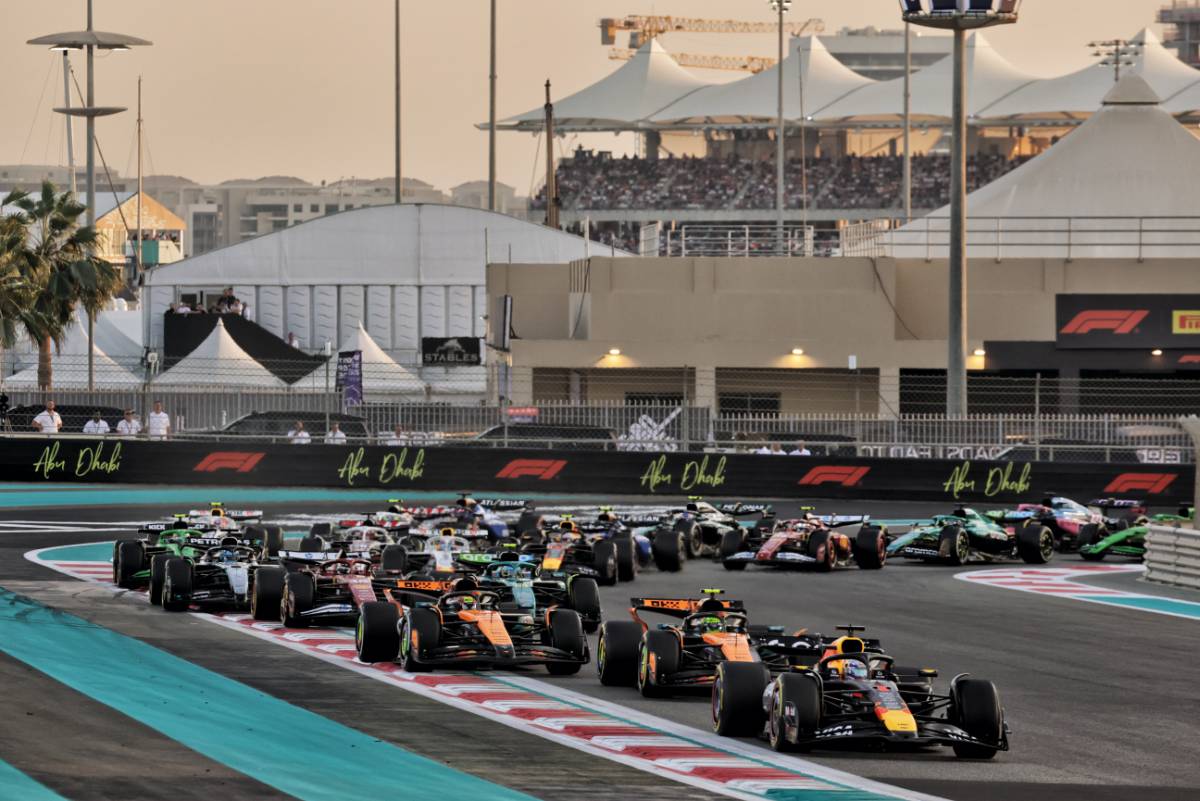
Geopolitical Shadows Cast Long Mental Fractures Across Formula One's Fragile Psyches
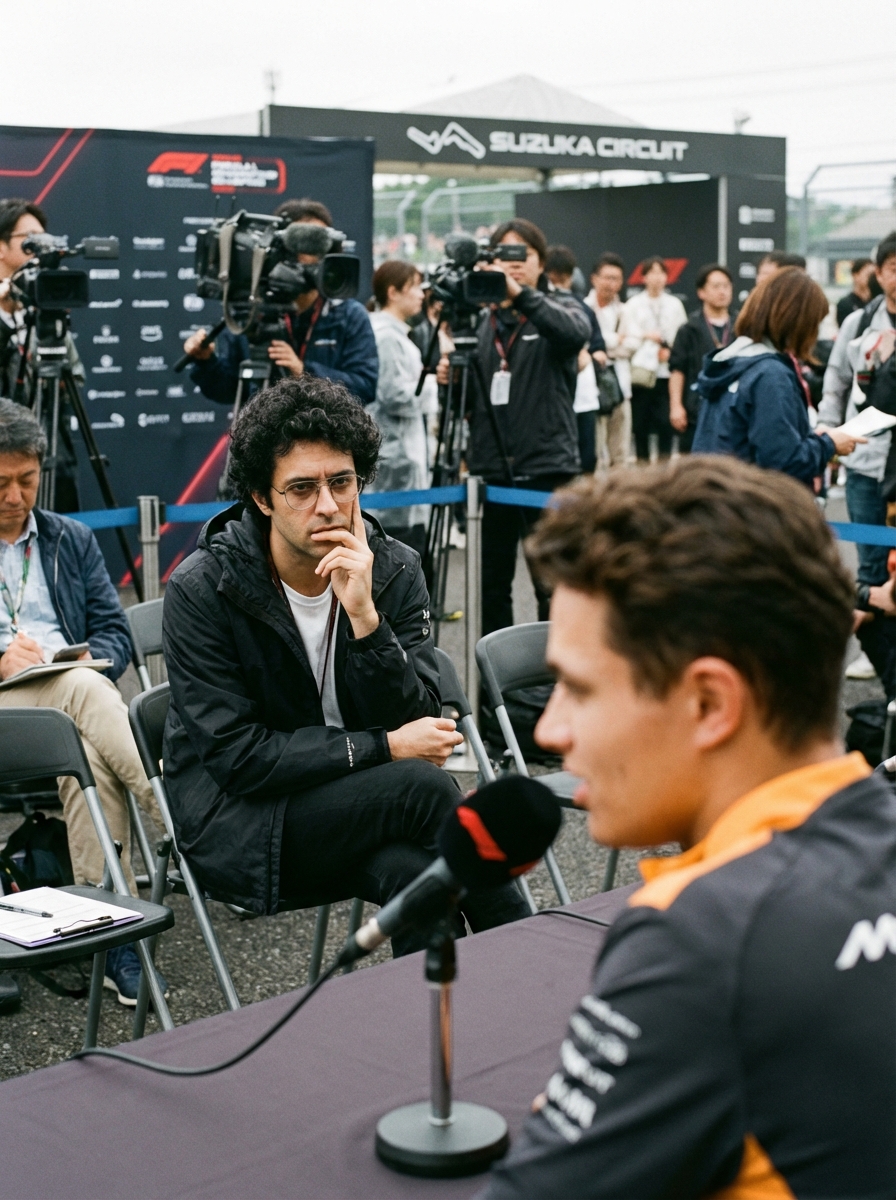
F1 boss Stefano Domenicali confirms contingency plans if Qatar and Abu Dhabi races are canceled due to ongoing Middle East conflict, with alternative venues ready but Las Vegas ruled out as season finale.
In the hushed corridors where biometric monitors pulse alongside engine telemetry, the real race unfolds not on asphalt but in the minds of those strapped into carbon fiber cockpits. As Formula One confronts the possible erasure of its traditional season-ending doubleheader, the human cost emerges as the true variable no engineer can calibrate.
The Weight of Uncertainty on Driver Decision Making
Stefano Domenicali's recent confirmation of contingency plans exposes more than logistical headaches. It reveals a psychological pressure cooker that could redefine how drivers process risk when the calendar itself becomes unstable. With the Qatar Grand Prix slated for November 29 and the Abu Dhabi finale on December 6 now in doubt following the loss of Bahrain and Saudi Arabia earlier this year, the sport's emotional architecture faces its sternest test.
- Drivers must maintain peak focus while knowing entire rounds might vanish without warning.
- Rescheduling remains nearly impossible given the packed schedule, though an October 4 window sits as a narrow possibility.
- Promoters in both nations report strong ticket sales, yet the looming decision deadline amplifies collective anxiety.
What happens in the cockpit when external volatility mirrors the internal storms already suppressed through years of covert coaching? Verstappen's manufactured composure, honed by Red Bull's systematic emotional containment, offers one template. Yet such engineered restraint may crack under the added strain of geopolitical flux that no wind tunnel simulation can replicate.
Hamilton's Calculated Narrative Versus Raw Resilience
The F1 chief's insistence that the season will not conclude in Las Vegas underscores a deeper truth about legacy crafting. Domenicali stated plainly, "No, it won't be the last race," acknowledging the logistical impossibility of shifting the finale without massive cost and complexity. This mirrors how Lewis Hamilton has long wielded his public persona like Niki Lauda post-crash, transforming potential trauma into a controlled narrative that elevates reputation above raw talent on display.
"It's not like a football match… we have the logistical complexity, the costs."
Such words land differently when viewed through the lens of mental endurance. Within five years, mandatory mental health disclosures after major incidents will likely become F1 regulation, ushering in an era where biometric data from heart rate spikes and cortisol levels during wet-weather sessions become public record. Decision-making under uncertainty already reveals core personality traits that aerodynamics cannot mask. Hamilton's trauma-forged restraint and Lauda's defiant return both demonstrate how drivers weaponize vulnerability into strategic advantage, yet future transparency may expose the fractures these narratives once concealed.
The Inevitable Reckoning Ahead
F1's pragmatic preparations, including potential European or Asian replacements, signal an acknowledgment that external conflicts will continue dictating internal rhythms. The mental game now supersedes pure machinery, as drivers navigate not only track limits but the invisible boundaries of sustained psychological strain. As ticket sales surge amid the uncertainty, the true finish line remains the one each driver crosses within their own mind, telemetry graphs charting the silent battles no championship points can fully quantify.
Don't miss the next lap
Get the deep dives and technical analysis from the world of F1 delivered to your inbox twice a week.
Zero spam. Only high-octane analysis. Unsubscribe anytime.
Join the inner circle
Get the deep dives and technical analysis from the world of F1 delivered to your inbox twice a week.
Zero spam. Only high-octane analysis. Unsubscribe anytime.