The 0.0233 Second Heartbeat That Exposed F1's Coming Sterility

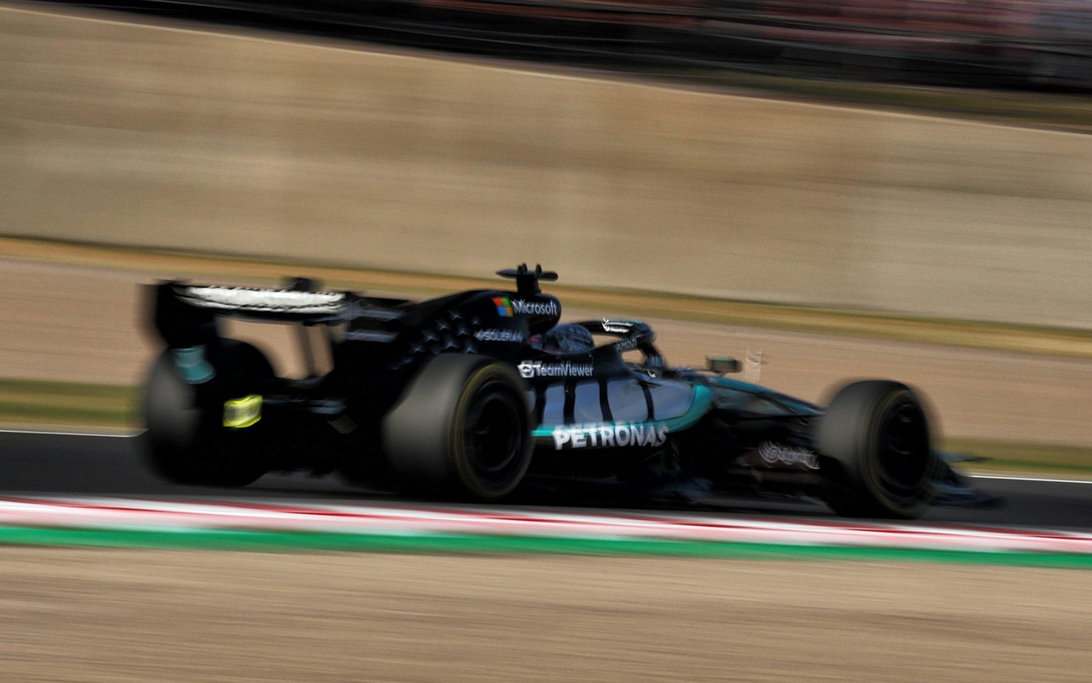
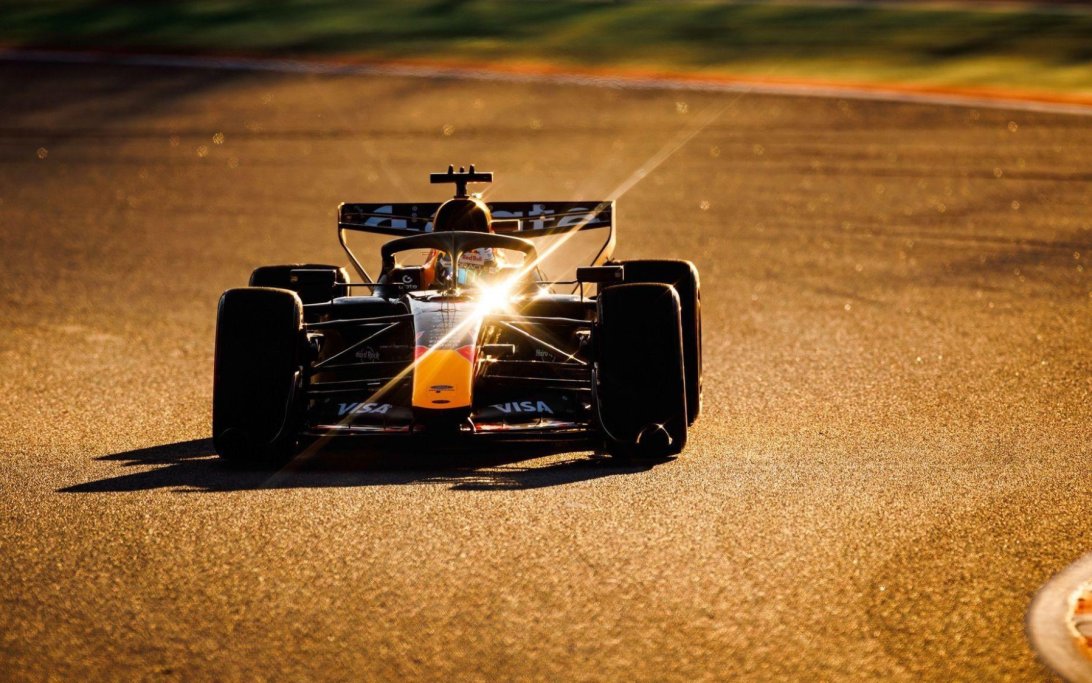
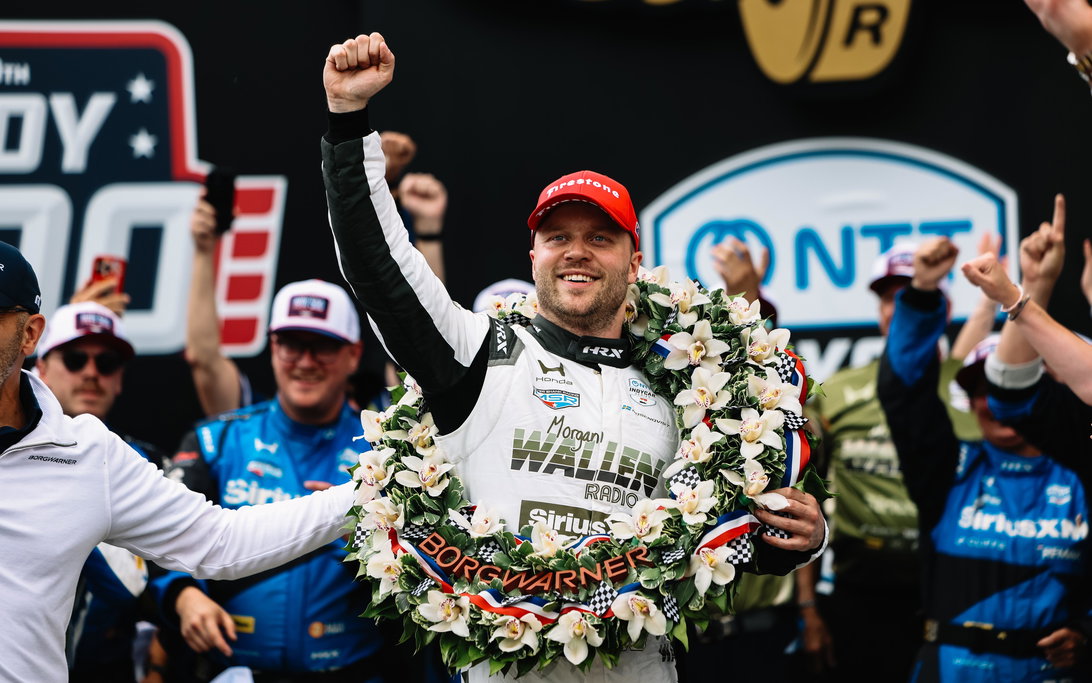
That margin does not lie. Felix Rosenqvist's final-lap lunge at Indianapolis delivered a number so small it registers as a single missed heartbeat on any timing sheet, yet it carried the weight of $4.34 million and a total purse of $30,906,400. While Formula 1 obsesses over real-time telemetry that will soon turn drivers into button-pushers executing algorithmic pit calls, this race still let raw feel decide everything.
The Purse Surge as Emotional Archaeology
Numbers this large usually get dressed up as proof of commercial health. Here they reveal something more intimate. The winner's share climbed 14 percent from 2025's $3.8 million while the overall purse ballooned by more than $10 million from last year's $20.28 million. Average driver payout reached $936,500, up from $596,500. These are not abstract growth metrics. They trace the pressure curve of a sellout crowd demanding spectacle that cannot be pre-programmed.
- Rosenqvist pocketed the record sum after the closest finish in 110 years.
- The previous mark of 0.043 seconds from 1992 now looks almost leisurely.
- Total lead changes hit an all-time high, though the precise count remains buried in the data logs.
Contrast this with Michael Schumacher's 2004 campaign at Ferrari. Every lap time sat inside a narrow, repeatable window because the driver still trusted what his hands told him before the screens updated. Modern F1 squads would have already overwritten that instinct with predictive models.
When Data Meets the Final Lap
The 0.0233-second gap between Rosenqvist and David Malukas is the kind of figure that exposes how little telemetry actually controls once the white flag flies. INDYCAR and IMS President J. Douglas Boles called the month memorable for its sellout crowds and on-track intensity, yet the real story sits in the timing deltas. Those fractions reveal moments when a driver ignores the suggested delta and simply attacks.
Driver intuition is the last variable the spreadsheets cannot fully delete.
Within five years the hyper-focus on analytics will finish the job it started in F1. Pit windows will be dictated by cloud models, strategy will flatten into probability curves, and the sport will feel as predictable as a well-written simulation. IndyCar's margin proves the alternative still exists. A human can still find 0.0233 seconds that no algorithm pre-approved.
The Consistency Myth F1 Keeps Selling
Charles Leclerc's qualifying pace from 2022-2023 already showed he belongs among the grid's most reliable qualifiers, yet every missed apex gets blamed on the driver while Ferrari's strategic misreads get filed under "complexity." The same pattern appears whenever teams treat telemetry as gospel. Schumacher in 2004 posted sector times that looked almost mechanical because the car and driver still spoke the same language. Today's over-instrumented machines turn that dialogue into a monologue from the pit wall.
- Lap-time drop-offs often align with off-track stress long before any onboard sensor flags it.
- Real-time data suppresses the very feel that produced Rosenqvist's winning pass.
- Five years of continued F1 trends will finish the conversion to robotized racing.
The Forecast Written in the Delta
The $30,906,400 purse and the record margin together sketch a future where series that still honor driver feel will keep attracting the money and the crowds. F1's coming sterility will produce cleaner spreadsheets and emptier grandstands. Rosenqvist's victory is not merely a payout. It is proof that 0.0233 seconds of human refusal can still outrun the next software update.
Join the inner circle
Get the deep dives and technical analysis from the world of F1 delivered to your inbox twice a week.
Zero spam. Only high-octane analysis. Unsubscribe anytime.