Drivers Still Unhappy with 2026 F1 Cars Despite Monaco Respite
Monaco briefly hid 2026's hybrid issues, yet drivers remain deeply unhappy. Norris and Alonso warn that dashboard distractions, weak grip, and inconsistent drivability prove fundamental fixes are still needed, fueling urgent debate over engine rule changes for 2027 and 2030.
The 2026 Monaco Grand Prix offered brief relief from divisive hybrid recharge demands, yet it did little to silence growing driver anger. Hard braking zones kept batteries naturally topped up, allowing drivers to focus on raw pace rather than micro-managing energy deployment. But top runners quickly warned that the unique street circuit merely masked deeper flaws in the current regulations.
Why it matters:
Monaco revealed an uncomfortable truth for F1's rulemakers: removing energy recovery stress simply exposed lingering chassis and tyre limitations. With engine overhauls already being debated for 2027 and 2030 just six races into the new era, sustained criticism from championship contenders signals deep industry-wide unease that no track layout can paper over.
The details:
- Lando Norris called qualifying the "most pure" laps of 2026 so far, but said drivers still face dangerous distractions monitoring dashboards for battery targets and turbo positioning. He warned a crash is inevitable while attention is split between data and the track.
- Charles Leclerc enjoyed attacking flat-out without energy concerns, while Nico Hulkenberg cited the "energy-rich" layout as encouraging.
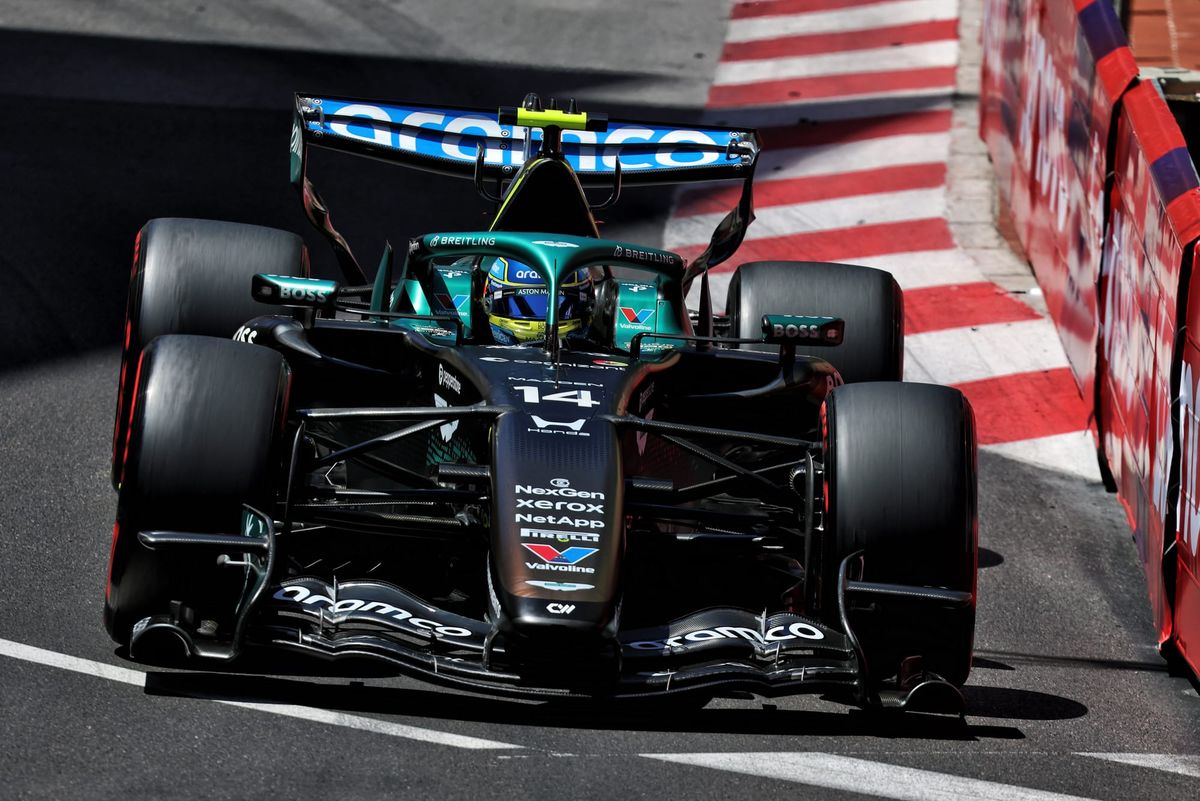
- Fernando Alonso branded this the "worst generation" he has driven at Monaco, arguing hybrid tech is fundamentally mismatched with racing and that active engine change talks prove nobody is satisfied.
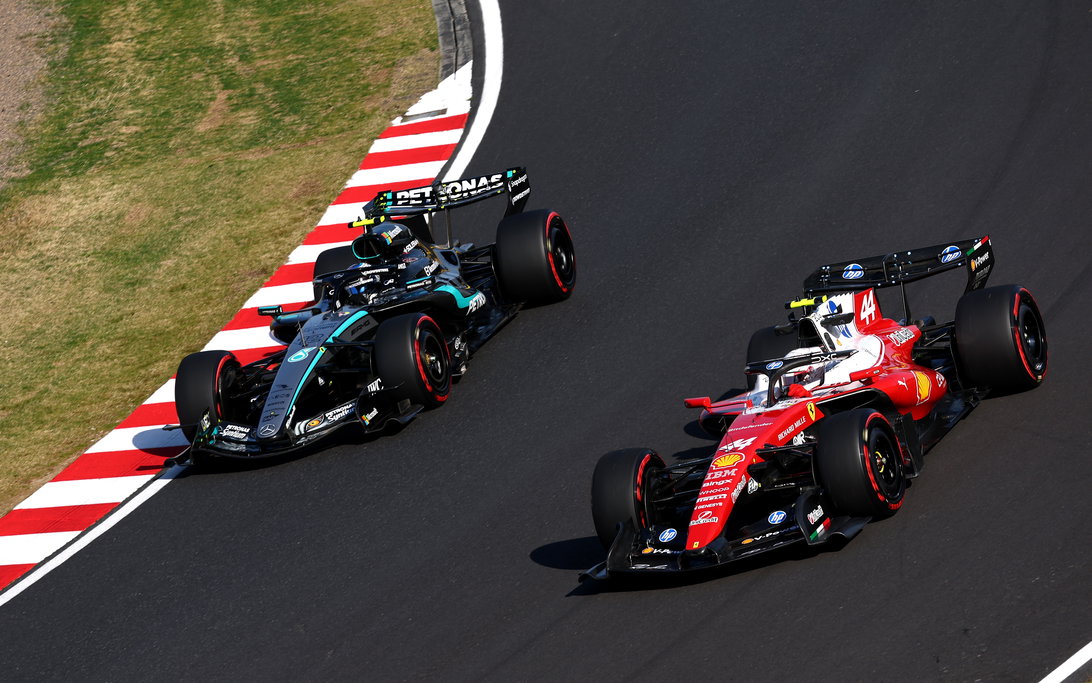
- Lewis Hamilton bemoaned a "step down" in downforce and grip versus his early career cars, while Lance Stroll noted Aston Martin was five to six seconds off 2025 ground-effect pace, making enjoyment fully dependent on machinery.
What's next:
Urgent debates over 2027 and 2030 power units have thrust the 2026 regulations into an identity crisis before the season reaches its midpoint. While Monaco temporarily hid the unpopular recharge problem, wildly inconsistent chassis performance revealed another layer of dysfunction. F1 faces a difficult reality: engine tweaks may help, but broader mechanical and aerodynamic refinements are likely needed to win back driver confidence.
Don't miss the next lap
Get the deep dives and technical analysis from the world of F1 delivered to your inbox twice a week.
Zero spam. Only high-octane analysis. Unsubscribe anytime.
Join the inner circle
Get the deep dives and technical analysis from the world of F1 delivered to your inbox twice a week.
Zero spam. Only high-octane analysis. Unsubscribe anytime.
Continue Reading
View More News