F1 2026 rule tweaks deemed 'sensible' ahead of Miami debut
F1 has finalized a set of technical tweaks to the 2026 regulations, praised as 'sensible' by Williams' James Vowles. The changes, effective from the Miami GP, adjust energy deployment limits for qualifying and racing, introduce strategic zoning for electric power, and add a new system to improve race start safety. The updates aim to refine the new-era cars based on early-season feedback and data.
Formula 1 stakeholders have agreed on a series of "sensible" technical refinements to the 2026 regulations, set to debut at the upcoming Miami Grand Prix. The changes, aimed at improving racing and safety, include adjustments to energy deployment limits and the introduction of a new system to aid race starts. Williams Team Principal James Vowles publicly endorsed the updates, stating the collaborative work between teams, the FIA, and F1 will help continue improving the on-track product.
Why it matters:
The 2026 season introduced the most radical technical overhaul in a generation, blending new chassis rules with advanced hybrid power units. While creating new strategic layers, early races highlighted areas for improvement, particularly around artificial overtaking and safety concerns following incidents like Oliver Bearman's crash in Japan. These mid-season tweaks represent a proactive effort to refine the new formula based on real-world data and driver feedback before issues become entrenched.
The details:
Following constructive meetings with drivers and team principals, the FIA, Formula One Management, teams, and power unit manufacturers agreed on several key adjustments:
- Qualifying Energy Limits: The maximum permitted energy recharge per lap is reduced from 8MJ to 7MJ, while the peak power for 'super clipping' (an energy recovery technique) is increased to 350 kW.
- Race Boost Cap: The maximum additional power available through the 'Boost' function—compared by drivers to a "Mario Kart mushroom boost"—will be capped at +150 kW during grands prix.
- MGU-K Deployment Zoning: The electric motor's (MGU-K) deployment will be strategically zoned. It will deliver 350 kW in key acceleration and overtaking zones but is limited to 250 kW elsewhere on the lap to promote more nuanced energy management.
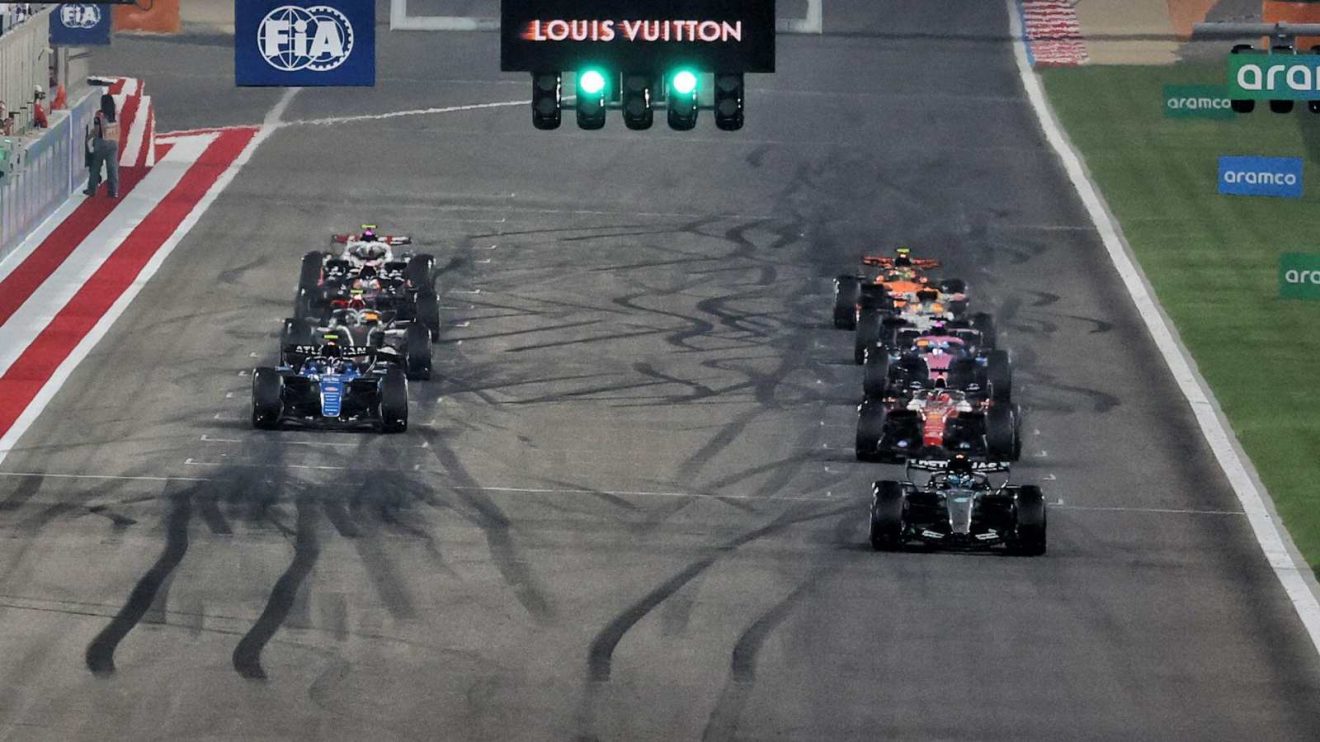
- Improved Race Starts: A new 'low power start detection' system will be introduced. This automated system will trigger MGU-K deployment to assist drivers who struggle off the line, mitigating start-related risks and potential pile-ups.
What's next:
The agreed-upon refinements will be implemented starting from the Miami Grand Prix, offering an immediate test bed for their effectiveness. Williams boss James Vowles summarized the sentiment, noting, "F1 has seen some great racing so far this year, but it is right that we always look at ways to keep improving." The swift, collaborative response to early-season feedback sets a precedent for the ongoing evolution of the 2026 regulations, with further adjustments likely as more data is collected throughout the season.
Don't miss the next lap
Get the deep dives and technical analysis from the world of F1 delivered to your inbox twice a week.
Zero spam. Only high-octane analysis. Unsubscribe anytime.
Join the inner circle
Get the deep dives and technical analysis from the world of F1 delivered to your inbox twice a week.
Zero spam. Only high-octane analysis. Unsubscribe anytime.